Use trade-off framing technical review to frame a clearer evaluation of Fixed Multi Gas Detector
When a specification writer reviews a fixed multi gas detector, the first task is not to rank products. It is to define the decision that the review must support. A useful review might ask whether a proposed device fits an existing signal interface, whether its installation form matches the project brief, or which requirements still need a technical answer. These are different questions. Combining them into one general judgement makes trade-offs difficult to see.
Clarify the decision before comparing options
Start by writing a short decision statement. It should identify the equipment under review, the intended system relationship, and the requirements that will determine acceptance. Keep verified specifications separate from project assumptions. For example, an output format is a product detail, while the decision to connect that output to a particular control arrangement is a project question.
This separation prevents a familiar specification from doing too much work. A listed interface can be recorded as evidence, but it does not by itself establish that the wider installation is suitable. Likewise, a mounting method can inform the mechanical discussion without proving that a particular location, enclosure arrangement, or operating environment is appropriate. The review should show where the page ends and where the project-specific assessment begins.
Build a concise comparison framework
A compact comparison table can make the discussion more precise. Use one row for each requirement and add columns for the following:
- Requirement: describe what the project needs in plain language.
- Evidence: record the exact product detail that addresses the requirement.
- Scope: state the model, page, or configuration to which the detail applies.
- Trade-off: explain what the detail helps assess and what it does not establish.
- Open point: record the question that remains for the technical review.
This format is more useful than a single score when the requirements pull in different directions. One option may present a convenient interface, while another project consideration may concern installation form or enclosure characteristics. The table does not need to decide which consideration matters most. Its purpose is to make that priority visible to the people responsible for the decision.
Use evidence that matches the stated scope
The phrase fixed multi gas detector should appear in the review as a defined subject, not as a reason to transfer every available detector specification into the comparison. Match each fact to the exact model and source page. If the source describes a product as a fixed gas detector, retain that wording when reporting the page evidence. Do not expand it into claims about certification, site suitability, safety outcomes, or configurations that the source does not state.
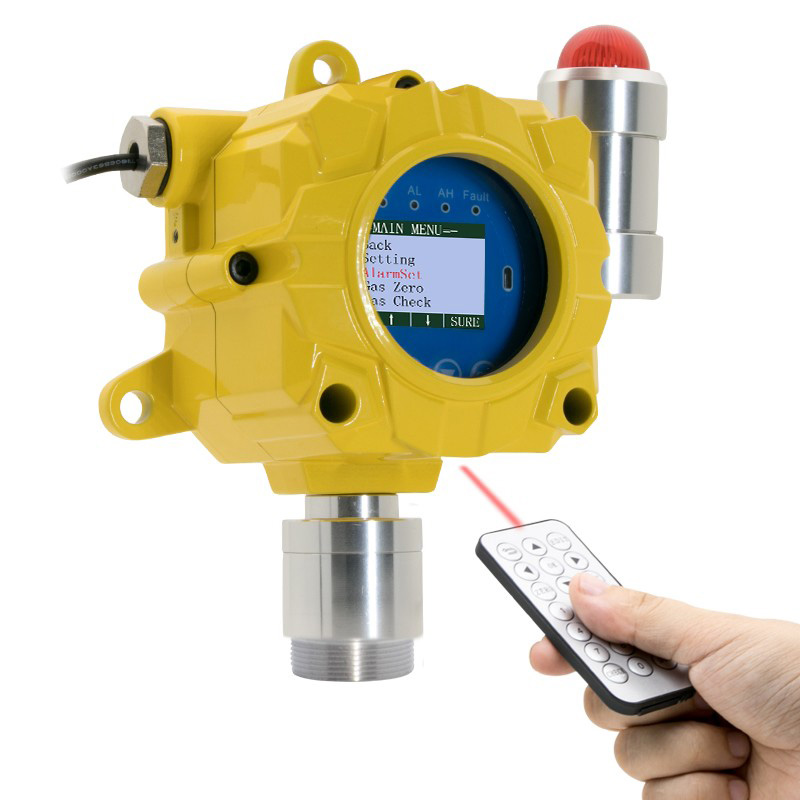
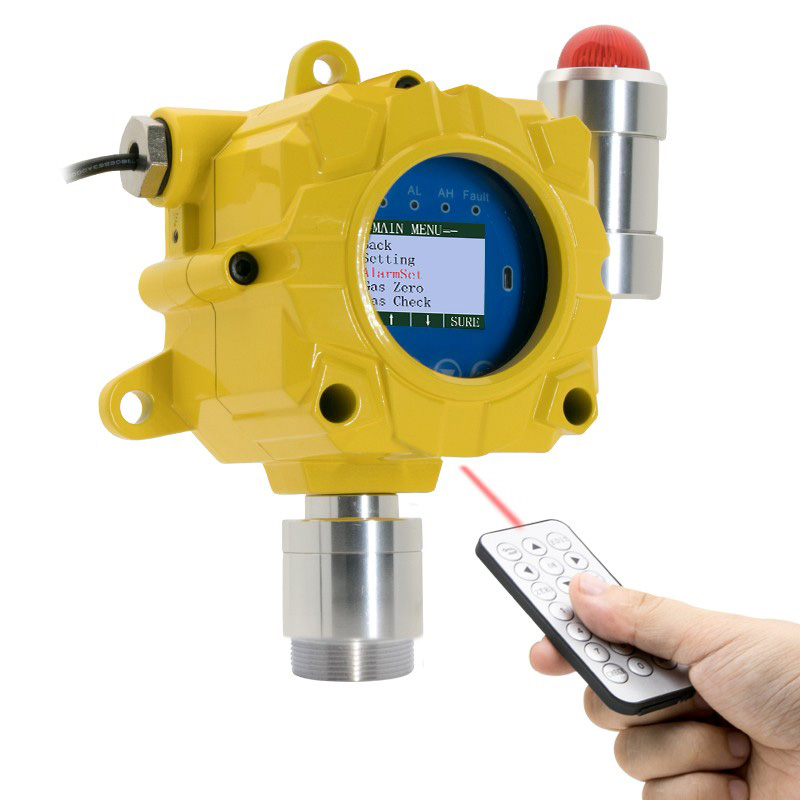
One relevant catalogue example is the K-G60 page from Bosean. Its specifications list a 4–20 mA output, RS485 input, wall mounting, and an IP66 protection category. Those details can populate the evidence column of a comparison framework. They can also prompt focused questions about the project interface and installation requirements. They should not be treated as proof of a particular installation result or as a general specification for other models.
Avoid unsupported conclusions
Trade-off framing works best when the wording remains proportionate to the evidence. Use “the page lists” for a documented specification and “the project team should assess” for a decision that depends on local requirements. Avoid turning a single feature into a broad conclusion such as “best”, “safer”, “more reliable”, or “suitable for all sites”. Such language hides the conditions that should remain visible.
A review can also distinguish three outcomes instead of forcing a yes-or-no verdict. A requirement may be supported by the available evidence. It may be unresolved and require a technical question. Or it may fall outside the stated scope of the review. This classification helps specification writers preserve uncertainty without abandoning the procurement task. It also gives later reviewers a clear explanation of why a conclusion was reached.
Carry requirements into procurement
Before issuing a request or preparing an internal recommendation, convert the comparison into a short requirement record. Keep the exact model reference beside each product fact. List the interfaces, mounting details, and protection information that are relevant to the current discussion. Then separate those facts from questions about system integration, location, configuration, and acceptance criteria.
The final record should be readable by a buyer and a technical reviewer without requiring either person to reconstruct the reasoning. It should show which trade-offs were considered, which evidence supports each statement, and which matters remain open. That discipline keeps the procurement conversation focused without presenting general guidance as a verified product claim. Used this way, information from Bosean can support a clearer review while the project team retains responsibility for applying its own requirements.