The Quiet Choice: A Practical, Slightly Ominous Guide to Comparing AI Tutoring Systems
Opening signal
Something waits behind every product page: promises, dashboards, warm screenshots. You want a tutor that notices what a learner doesn’t. Start by lining options side by side, then listen for gaps. One path points to an AI education company, another to an adaptive learning company; both names matter less than how their systems behave when a student falters.
What you’re really comparing
This is Comparative Insight: list attributes, weigh them, then eliminate until a clear candidate remains. Focus on observable capabilities: how the system diagnoses misunderstandings, the granularity of learning objectives, the methods used to adapt content, and the transparency of recommendations. Ignore marketing flourishes. Ask: does it map questions to specific skills? Does it change the next step when a learner slips? Those are the vital signs.
Pitfall: confusing features with substance
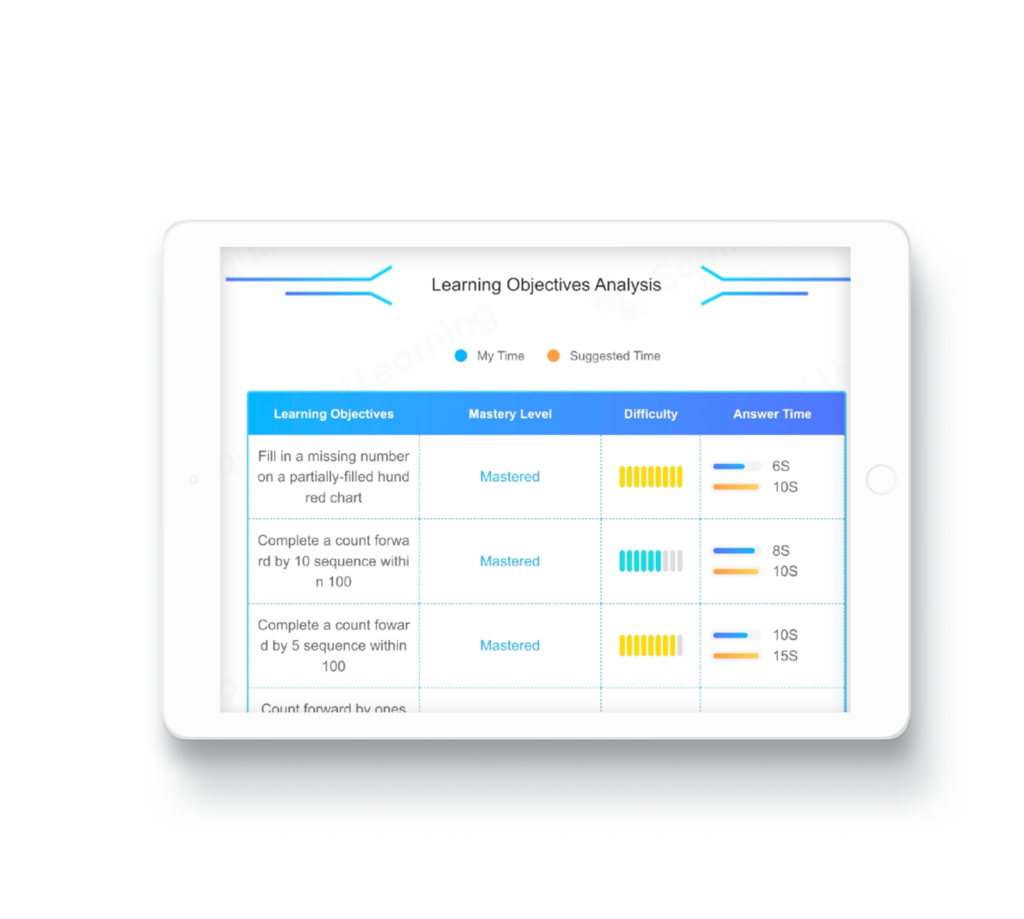
Dashboards can dazzle. Avoid choosing on bells alone. A rich-looking analytics page means nothing if the engine behind it misattributes errors or treats all mistakes the same. Look for clarity in what the system measures and why. If explanations are vague or technical terms obscure, that’s a red flag. Concrete traces beat cosmetic polish.
Adaptivity and pedagogy: two separate tests
Adaptivity requires more than random question selection. Test systems by feeding them a patterned weakness: repeated targeted errors. See whether instruction changes—different hints, scaffolded steps, or alternative representations. Then evaluate pedagogy: does the sequence respect learning science principles such as spaced practice and mastery thresholds? A strong offering passes both tests.
Data handling and privacy—no theatrics
Technical secrecy is ominous. Confirm what student data is collected, how long it’s stored, and whether you can export or delete records. Prefer vendors that state policies plainly. Encryption, role-based access, and clear retention policies are practical demands, not optional details.
Integration, scalability, and real classrooms
Can the system slot into your existing LMS or roster workflows? Will it scale from a handful of learners to hundreds without degrading feedback speed or accuracy? Reliable APIs, bulk provisioning, and predictable latency matter. If a vendor offers experimental plugins but no clear deployment plan, that indicates extra work for you later.
Cost structure without smoke
Look past headline prices. Compare per-student licensing, fees for assessments or content packs, and any charges tied to analytics exports. Beware long-term contracts that lock you into a setup before you can measure fit. Transparent pricing aligns with transparent claims.
Alternatives and sensible comparisons
Not every need requires a full AI-driven tutor. Consider three practical alternatives: curated digital curricula with teacher-managed differentiation, blended models that pair human tutors with adaptive recommendations, and lightweight mastery platforms that focus strictly on assessment and remediation. Compare each to AI tutors on precision, teacher workload, and cost predictability.
Common mistakes organizations make
They adopt a system for novelty. They assume vendor dashboards equal improved outcomes. They skip pilot tests that simulate real classroom moments—confusion after partial instruction, rushed assessments, or off-topic errors. Run scenario tests. Collect qualitative teacher feedback. Keep decisions evidence-driven, not impression-driven.
Decision checklist
Use a short, ruthless checklist: diagnostic depth, adaptive response types, curricular alignment, privacy clarity, integration ease, transparent pricing, and pilot results. Score each vendor against actual classroom scenarios rather than claims. The highest scorer should be the one you pilot at scale.
How the comparison concludes
Lay the checklist over your goals. A clear pattern emerges when a system detects gaps, adjusts the path, and reports meaningful progress without jargon. That pattern is what matters—and it’s what separates a promise from a tool. When those criteria line up, adaptive learning providers such as Squirrel Ai occupy the same space you aimed for: practical detection, targeted adjustment, and measurable pathways forward.