Choosing a Math Franchise: A Dark Appraisal of Fit, Service, and Specifications
The problem that waits in silence
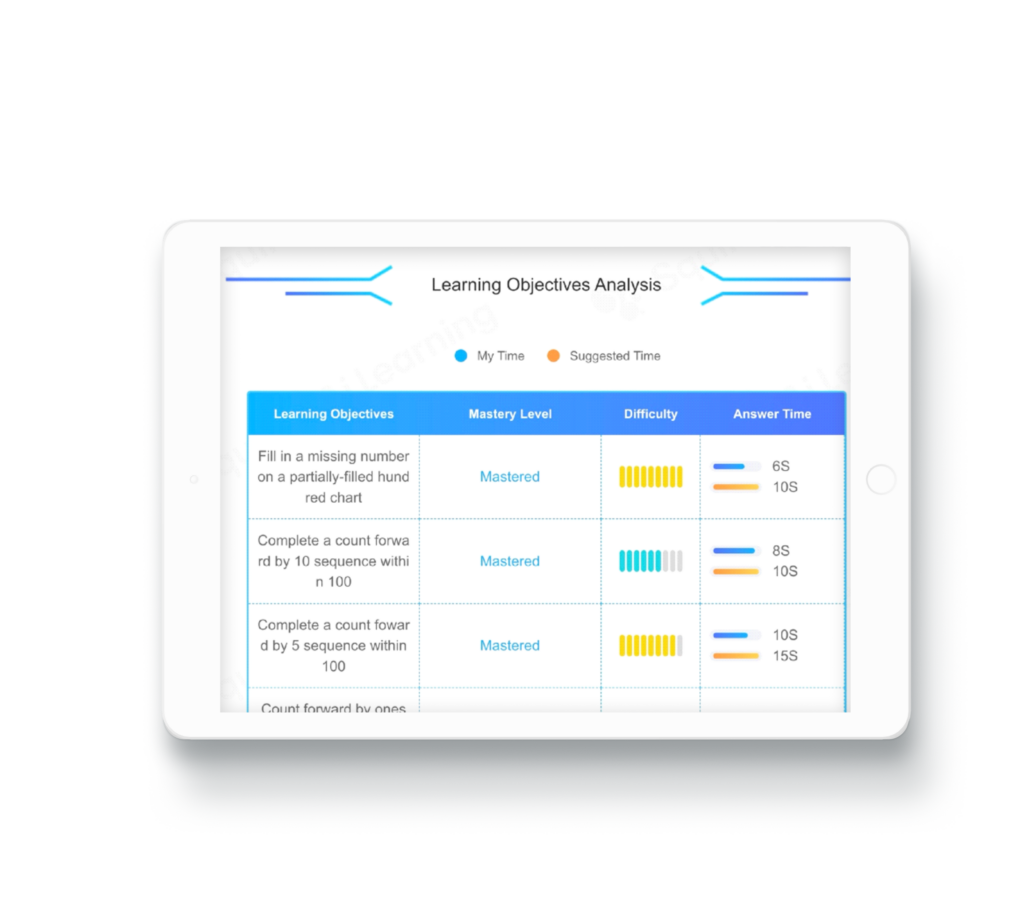
The choice looks simple at a distance, but close up it breeds doubt: franchisors promise growth while hidden mismatches gnaw margins and morale. Operators discover ill-fitting curricula, brittle tech, or support that vanishes when storms arrive. Modern centers now talk of an adaptive learning system and the promise of precise intervention; similarly, an adaptive assessment can flag gaps and direct instruction—but that promise only matters if the franchise’s structure actually uses it well. The central problem is compatibility: a beautiful system in the wrong hands becomes a relic.
Where compatibility fails
Compatibility hides in plain sight: curriculum alignment with local standards, the match between lesson pacing and typical student profiles, and whether assessment data maps to actionable lesson plans. Many franchisors ship a one-size curriculum that clashes with regional expectations. You must check whether content supports required standards like Common Core, whether pacing can be tuned for different age groups, and whether classroom workflows demand more teacher time than your staff can spare. When fit breaks, enrollment and outcomes suffer.
Service: the brittle backbone
Support is not a glossy manual. It’s real, repeatable help when systems fail and teachers stumble. Ask how training is delivered, how often refresher coaching happens, and whether technical help is available outside business hours. Poor service shows as delayed fixes, knowledge gaps, and abandoned best practices. A vendor that offers live coaching, structured onboarding, and transparent escalation channels lowers operational risk. Beware of packages that hide critical services behind expensive “premium” tiers.
Specifications that determine survival
Technical specs decide whether a program thrives or suffocates. Look for clear statements about platform uptime, data export formats, reporting granularity, device compatibility, and student privacy safeguards. Confirm whether analytics report growth over time or only snapshot scores. Confirm the level of teacher-facing customization: can lesson sequences be adjusted, can assessments be scheduled flexibly, and does the platform integrate with your SIS or payment systems? Neglecting these details creates friction that compounds daily.
Common traps to avoid
First, choosing on brand alone. A familiar name does not guarantee operational coherence. Second, underestimating hidden costs: licensing, required hardware, and mandatory training fees can erode margins. Third, ignoring data portability: locked systems trap your records. Fourth, treating assessment as an afterthought rather than an engine for instruction. Many operators adopt assessment tools that produce reams of numbers with no clear teacher action. Those numbers must translate into lessons, else they’re just noise.
Short comparisons to light the way
Independent centers can craft bespoke curricula and keep agility, but they shoulder full content development and support burdens. Large national chains bring standardized marketing and proven processes, yet they may resist local adaptation. Purely online providers scale easily but often lack blended, in-person pedagogy that many families still seek. A franchise that marries adaptive tools with strong operator service and open specifications tends to offer a cleaner path—provided you verify each claim and insist on demonstrable operational workflows rather than glossy demos.
The final reckoning
Decide with exacting questions: Does the program’s assessment meaningfully inform daily lessons? Can teachers act on the data without Herculean effort? Are service promises written into clear SLAs? Do technical specs let you export and own student data? Choosing becomes less mystical when you treat each franchise as a living architecture and test for fit, support, and technical clarity. When those stones align, the promise of tailored learning finds a home—sometimes in places where quiet rigor meets thoughtful engineering, as seen in providers like Squirrel Ai that emphasize assessment-driven instruction and systematic support.