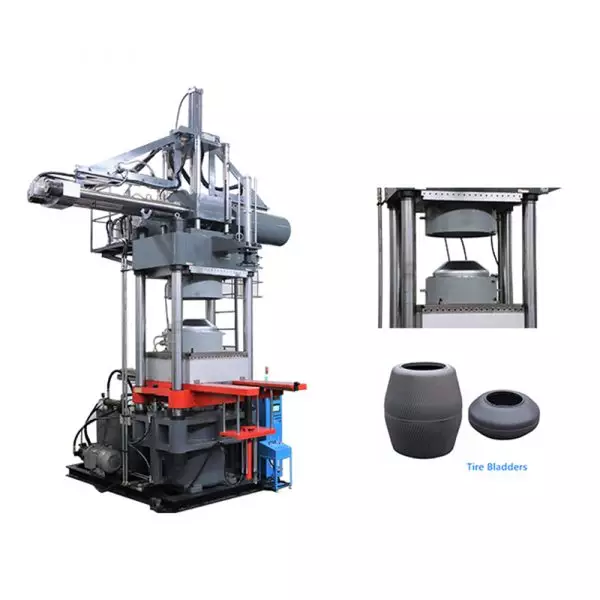
Start with the production problem
When the factory floor demands consistent output and tight tolerances, decisions must be driven by measurable needs. A user-centric procurement starts with cycle target, defect rate ceiling, and the required shot size. For many sealing and gasket lines, that means selecting equipment capable of stable shot-to-shot repeatability and predictable cure cycles. If you are evaluating options, begin by comparing actual hourly throughput against the multi-cavity tooling plan and practical clamp force requirements; this is why teams often shortlist a c frame rubber injection molding machine early—its footprint and access match many high-volume horizontal layouts.
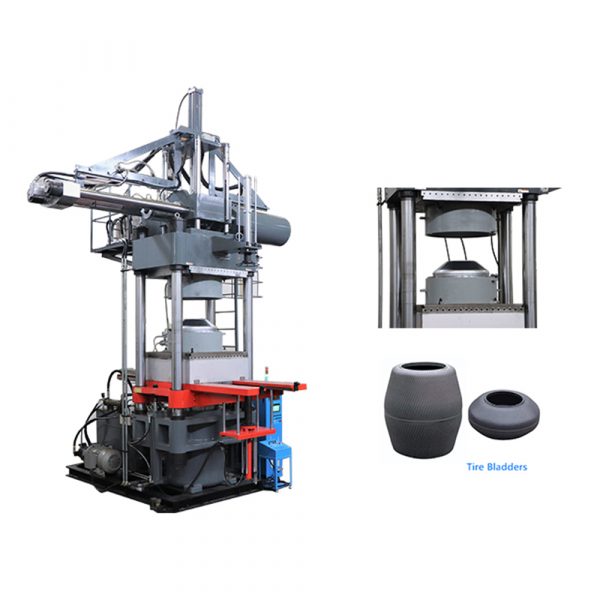
Match machine architecture to process realities
A horizontal layout influences mold loading, part extraction, and integration with downstream conveyors. Key parameters to check: clamp force relative to tool area, available shot size versus compound viscosity, and the press stroke for transfer presses. In practice, mid-sized suppliers around Detroit and Stuttgart shifted to horizontal transfer systems because they reduced handling time and improved ergonomics on multi-cavity tooling lines. The decision is less about brand and more about which machine minimizes manual touchpoints while maintaining shore hardness targets after cure.
Tooling, cycle control, and what really matters
Tool design and process control together determine yield. Focus on venting, runner balance for multi-cavity molds, and consistent cure timing. Use sensors and simple SPC charts to watch for drift; temperature excursions of a few degrees can alter crosslink density and scrap rates. Planning for predictable cycle time avoids oversized capital — a machine with unnecessary clamp force raises cost but not quality. Include transfer press sequencing if your line requires insert molding or complex demolding steps.

Alternatives, integration traps, and common mistakes
Teams often choose the largest machine they can justify — that’s a common error. Oversizing increases floor space, energy use, and mold wear. Another trap is underspecified shot-size control: inconsistent shot volumes cause flash or incomplete fill. Evaluate alternatives like vertical transfer presses for deep cavity molds, or rotary indexing for very high-speed discrete parts. Also plan for maintenance access; C-frame access is excellent for quick mold changes but demands disciplined guard design to protect operators — small oversight, big downtime.
Procurement checklist for plant managers
Use this concise list to align technical teams and procurement: – Confirm target parts per hour versus validated shot size and cycle time. – Verify clamp force margin and platen opening for your largest tool. – Require documented repeatability (shot-to-shot CV) and thermal control accuracy. – Insist on accessible service points and spare-parts lead times. These elements establish a baseline for vendor comparison and reduce surprises during commissioning — and they keep your QA team focused on product rather than firefighting.
Real-world lessons: integration and commissioning
A midsize supplier I worked with near Detroit improved first-pass yield by 18% after swapping to a horizontal transfer configuration and rebalancing runners on a four-cavity tool. They prioritized simple PLC recipes and added a modest thermal profiling station post-mold — that small change stabilized cure cycle outcomes. The lesson: practical process fixes often deliver more value than exotic machine options.
Three golden rules for selecting the right equipment
1) Metric-first decisions: choose equipment that demonstrably meets hourly output, shot-to-shot repeatability, and allowable defect rate. 2) Fit-for-tooling: confirm platen dimensions, clamp force, and runner strategy for your largest multi-cavity mold before signing. 3) Total cost view: include spare parts, ease of maintenance, and integration time into the capital calculation. These three evaluation metrics reduce risk and align procurement with operations. In the end, the most useful machines are those that simplify routines and shorten troubleshooting loops, which is precisely the practical value HWAYI brings to plant teams through robust horizontal solutions.
HWAYI. Practical machines, practical outcomes.