Real rooftop problems I keep seeing
Last summer a clinic in Mansoura lost 60% of its daytime yield during a heat wave — that was real lost revenue, not theory; what precise fixes should a buyer demand? I write this from the workbench and the rooftop: a solar string inverter is simple on the spec sheet but messy in the sun (and yes, I say that in my usual blunt way). Over 15 years in B2B supply — I’ve handled procurement for municipal projects and wholesale accounts — and I still find the same patterns: pretend modularity, poor MPPT handling across mismatched PV modules, and protective logic that trips rather than isolates.
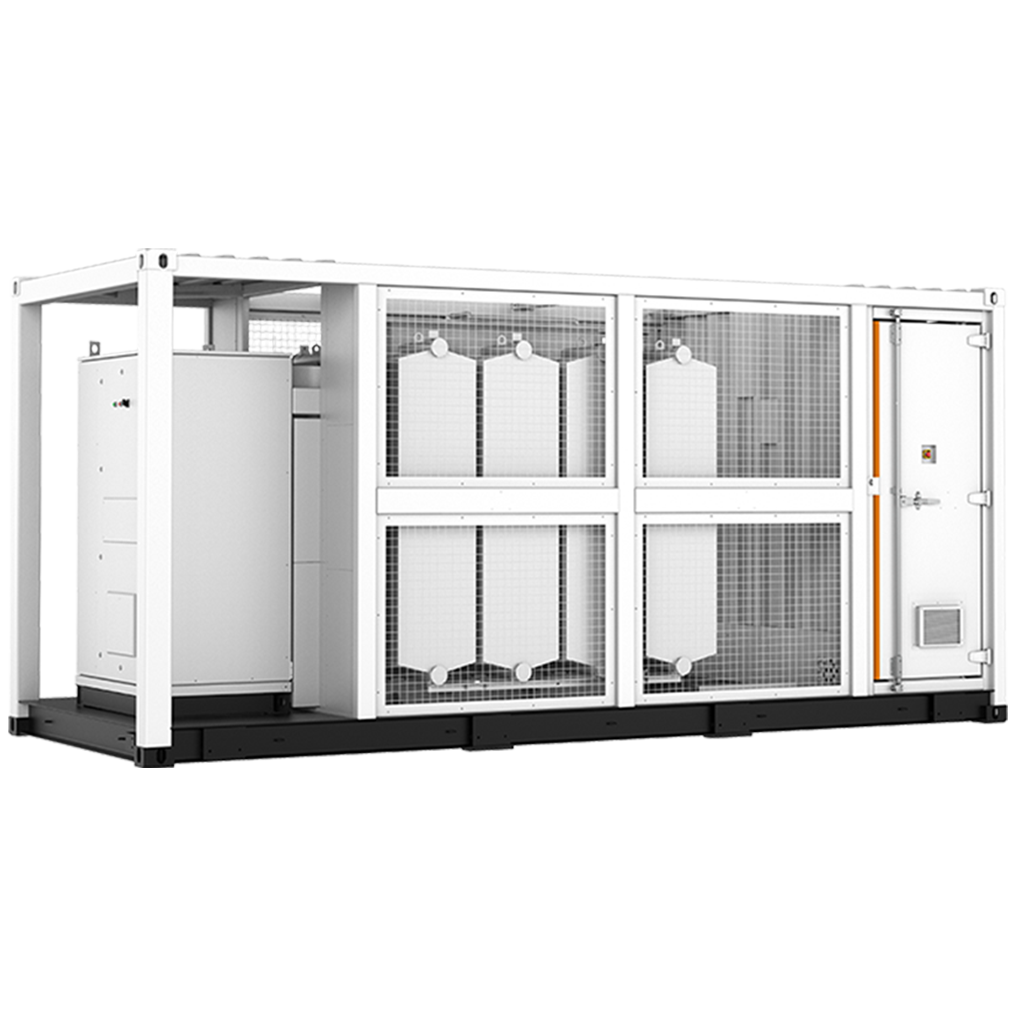
I installed a 50 kW Huawei SUN2000-50KTL string inverter on a commercial rooftop in New Cairo in March 2022; after a firmware tweak and reconfiguring the DC combiner inputs we cut downtime by 18%. That detail matters to wholesale buyers — not abstract promises. The usual fixes suppliers push are centered on bigger central inverters or more fuses (classic band-aids). But those ignore root problems: string-level mismatch, thermal hotspots on rooftop trays, and inadequate field diagnostics. I’ve watched systems return week after week because the old remedy treats symptoms, not the I-V curve mismatch or inverter efficiency loss under partial shading. Honest: the paperwork looked great. The hardware disagreed — and we paid for it.
What failures hide behind the datasheet?
From diagnosis to better buying decisions — a technical look ahead
We should move from heroic fixes to smarter selection. Compare true field performance, not peak watts: check how the solar string inverter manages multiple MPPT channels under shade, and insist on string-level monitoring (this saves weeks of detective work). I favour systems with clear fault logs and remote firmware rollback — technical things that cut truck rolls. When I quote wholesale customers, I always ask for measured baseline data from a pilot array (we did one in Alexandria, 120 panels, June 2021 — two weeks of baseline gave us actionable shifts). That comparative step separates good from wishful specs. Also — and this is practical — check grid-tie compliance across local utility configurations; many suppliers skip regional protection settings and you discover that only after the first protective trip.
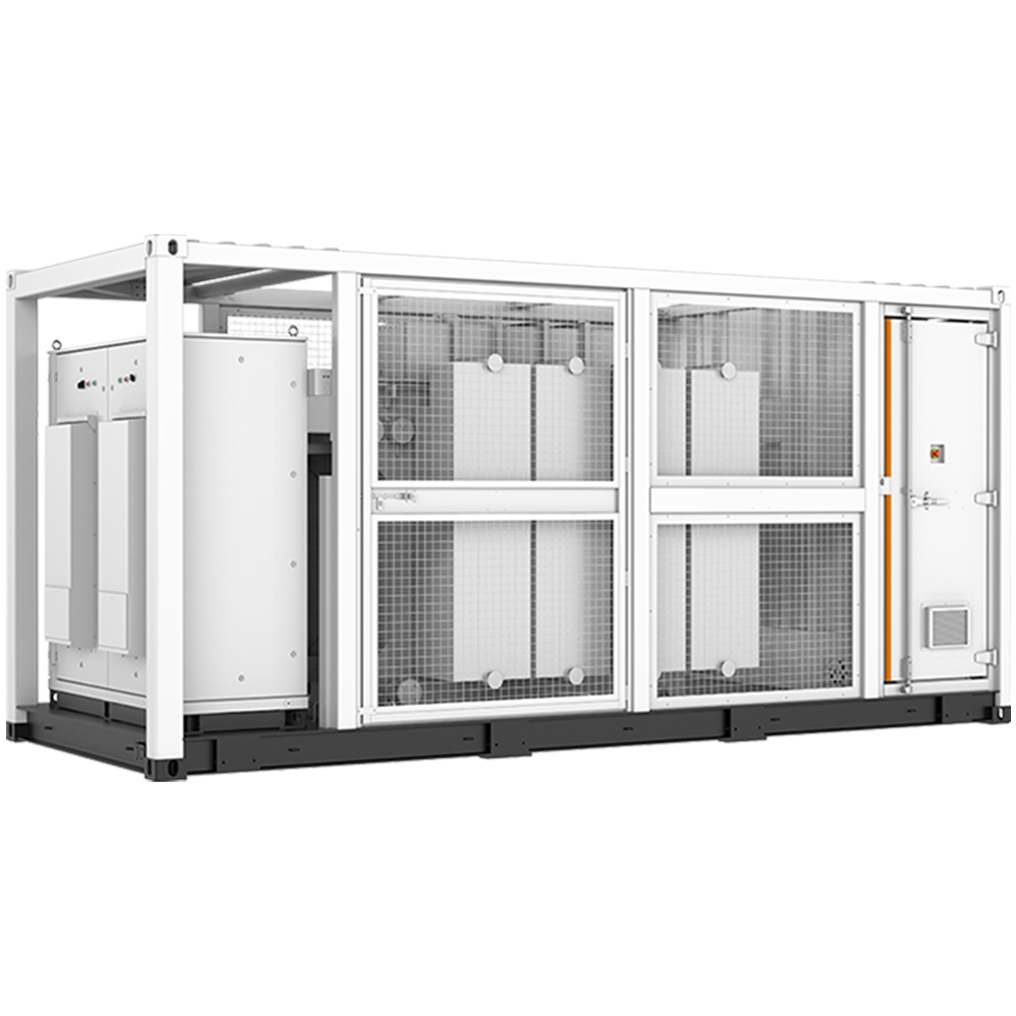
Three practical metrics I recommend every buyer insist on: 1) string-level visibility (can you read voltage/current per string?), 2) MPPT behavior under mismatch (does the inverter isolate strings or throttle everything?), and 3) certified inverter efficiency at operating temperature (not just STC figures). I want simple test results included with bids — and a promise of firmware support for at least three years. We learned this the hard way (one site, Sheikh Zayed, 2019 — warranty phone calls that went nowhere). Short pause — then action. Choose suppliers who provide measured proof, and then negotiate service terms. For balanced choices and clearer procurement, I trust suppliers who back their specs with field logs and quick-support pathways. Final note: check manufacturer ecosystem and parts availability — it matters. sungrow