Start with what you need to do
You want safe, quick access for people and machines and no surprises on a Monday morning — that changes how you plan. Begin by listing every task the articulating boom lift must perform on your site: façade access, overhead repairs, narrow-aisle lifts, or night-time lighting checks. Say what matters most — reach, platform capacity, and mobility — then size the yard around those needs. I’ve spent a decade planning yards and rental fleets with operators, so the checklist below is rooted in fieldwork and operator habits.
Measure clearances and working envelopes
Get the numbers right before you move steel. Capture these dimensions on site and on paper:- Maximum working height and horizontal outreach required for common tasks. – Platform width and basket rotation — where operators will stand and swing tools. – Minimum turning radius and travel width for loaded machines and transport bakkies. – Overhead obstructions: power lines, signage, awnings — mark them on a plan. Use conservative margins: add 0.5–1.0 m to clearances for operator error and unexpected loads. Accurate measurements stop last-minute rejigs and damaged kit.
Design access routes and flow for safe movement
Flow is about consistency. Plan one-way travel where possible and separate pedestrian corridors from machine lanes. Practical rules that work:- Designate a single entrance for loaded machines; a separate exit reduces reversing. – Keep a minimum 3 m clear travel width for most articulating machines; widen to 4 m where trailers turn. – Create turning bays near storage to avoid on-the-fly shunting. – Place charging or fuelling points close to exits to avoid deadheading across the yard. Signage and paint keep everyone predictable. When operators know the flow, tasks take less time and risk.
Storage, staging and maintenance spots
Storage is not one-size-fits-all. Sort machines by frequency of use:- Active fleet: close to exits and with clear service access. – Reserve pieces: stacked further in, with enough clearance for recovery. – Maintenance bay: flat, covered, and with clear access to fluids, tools and lifting points. Position fuel and battery stores downwind and on impermeable surfaces. Allocate a small, marked isolation area for damaged machines — you’ll thank yourself when a hydraulic leak happens.
Common pitfalls and how to avoid them
Operators repeat a few avoidable mistakes. Stop them before they start:- Underestimating gate width: measure with the widest loaded trailer you’ll use, not the machine alone. – Ignoring operator sightlines: place mirrors or light markers where visibility is poor. – Crowding maintenance under awnings: you need overhead clearance for booms even when parked. – Forgetting turning templates: use a scale drawing or digital template of your main model’s swept path to verify plans.
Choosing suppliers and lifecycle thinking
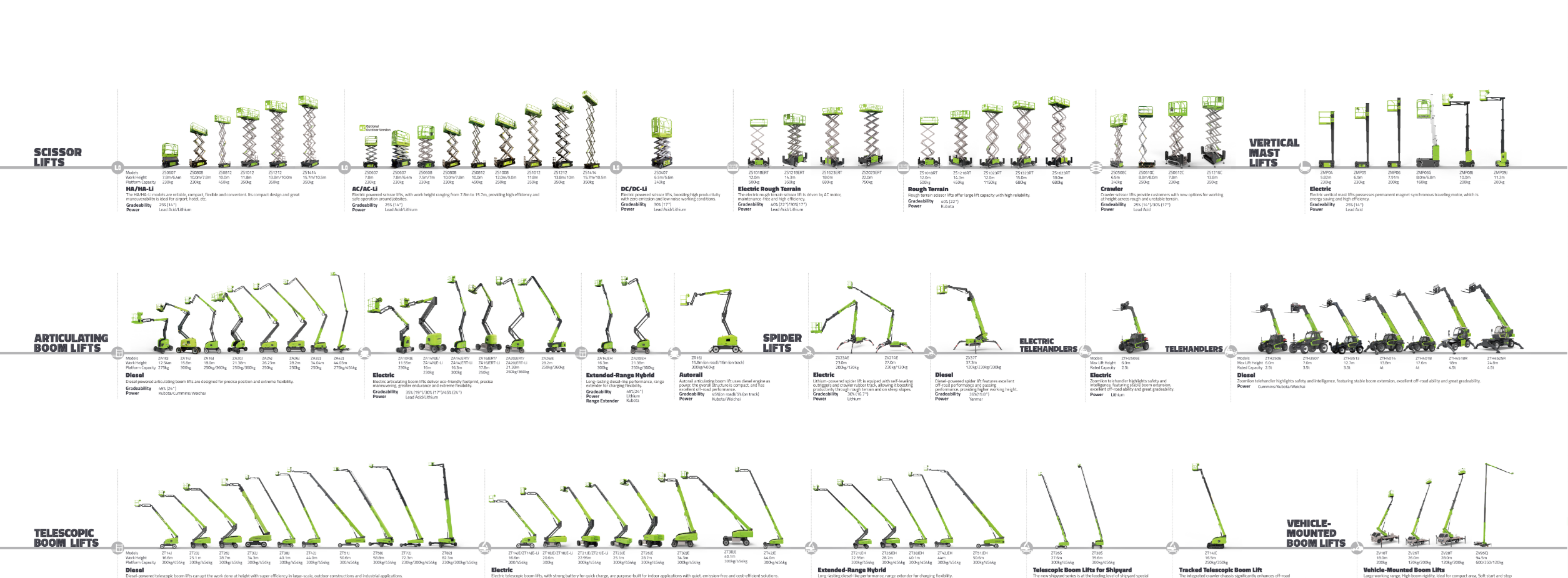
Pick suppliers who match your operational tempo and service expectations. Look for:- Clear spare-parts channels and local service capability. – Transparent maintenance guides and training packages. – Machines with modular components to reduce downtime. You’ll notice practical differences at industry gatherings; observations at the Bauma trade fair in Munich often show which manufacturers prioritise compact outriggers and service access — those choices matter for busy yards. When discussing options, ask about parts lead times and on-site training. For a shortlist, consider reputable articulating boom lift manufacturers that provide technical manuals and familiarisation sessions for operators.
Operational tips that save time and money
Small routines make big gains:- Daily pre-shift walkarounds find small faults before they stop work. – Keep a simple log: hours, incidents, and fault trends. Patterns tell you when to swap machines or pre-order spares. – Train two operators on each typical task so coverage is flexible. – Standardise attachments and toolboxes so swaps are quick and consistent. These practices reduce downtime and concentrate budget where it actually fixes problems.
Wrap-up and practical value
Plan from the operator’s point of view: map tasks, measure conservatively, separate flows, and insist on supplier service that matches your pace. Get the yard right once and you avoid repeated interruptions and risk. For site teams that want clarity and reliable supply chains, Zoomlion Access fits naturally into that operational picture, helping you match machines, layout and service to the real job at hand.