User-first Peek at the Problem
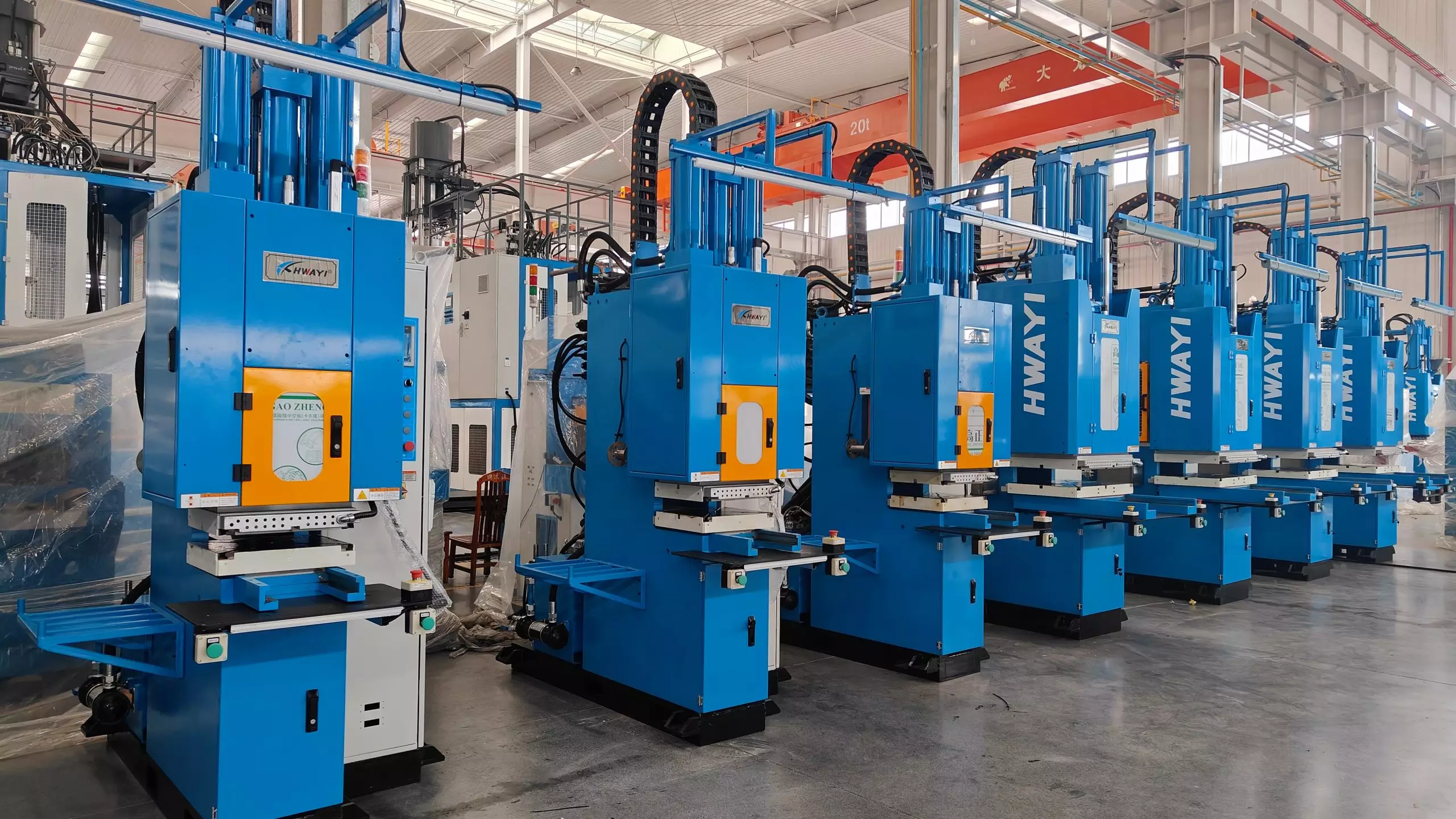
Factories need parts that are kind to the planet and steady in the line. If you buy parts from other makers, you want clues that your silicone rubber pieces came from a good place. Start with the machine story — can the supplier show how their rubber injection molding machine uses less power and fewer repeat runs? That one detail often tells you about mold cavity quality, injection unit tuning, and how many rejects to expect.
Why this matters to you, small and big
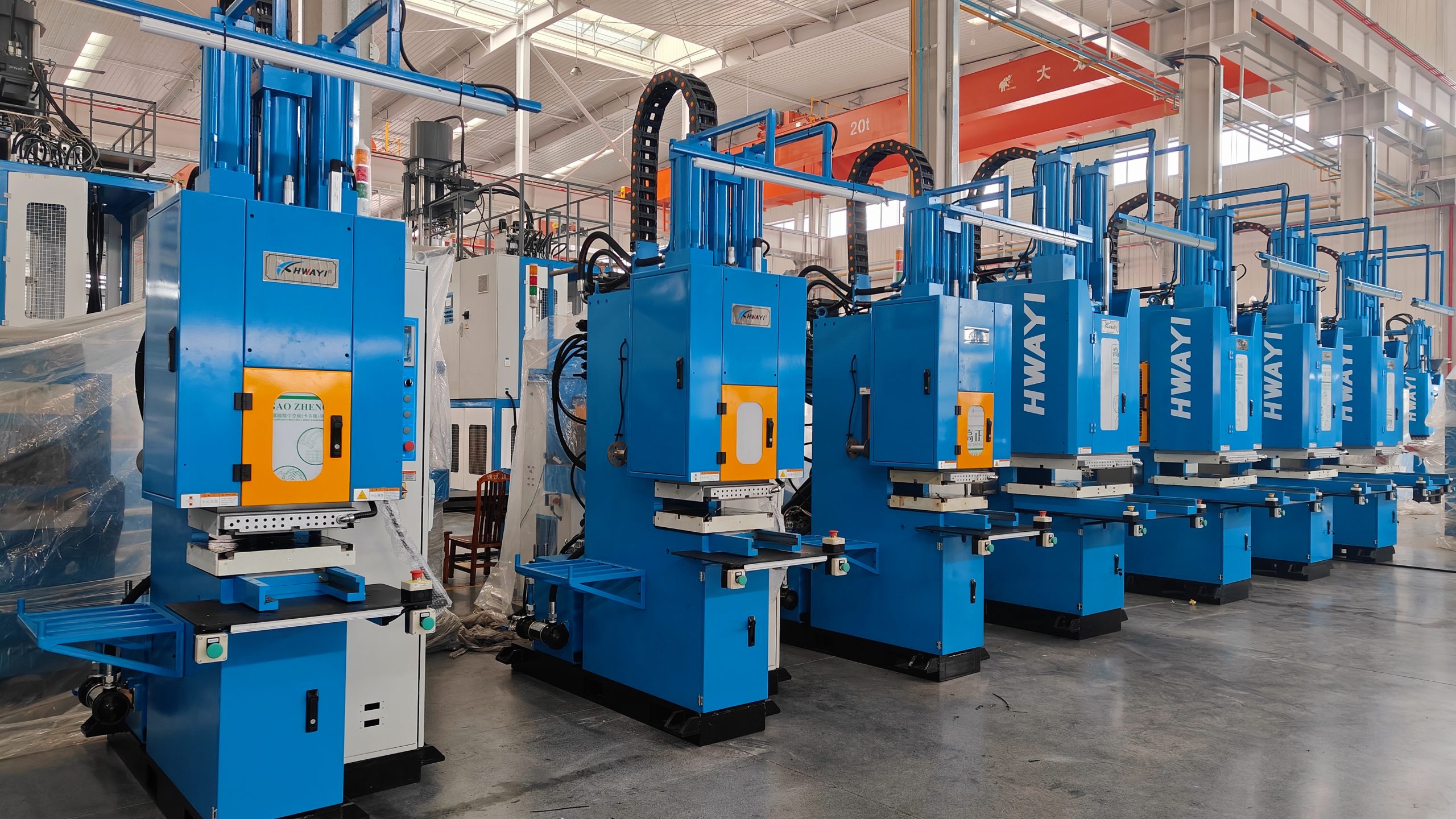
Think of your plant like a tiny town. Every kWh and every truck trip matters. After the 2020 supply-chain disruptions, many makers checked energy use and shipping more closely. You get steady lead times, fewer surprises, and smaller carbon footprints when sourcing wisely. It keeps costs low and people smiling at work.
What to ask the supplier — short and sweet
Make your checklist friendly and clear. Ask about these things — they are quick to answer and very telling:
– Energy per part (simple number, like kWh per unit). – Scrap rate and how they fix stuck parts. – Shipping mode and estimated emissions for a bulk crate.
Common mistakes buyers make
Buyers often chase the lowest price and forget to check process details. That leads to many tiny problems adding up — wrong hardness, warped parts, or many re-molds. Check clamping force specs and whether the mold cavity is kept at steady temperature. Small slips there mean big waste later. Also, watch for vague promises about “low emissions” without numbers — ask for the math.
Quick comparisons that help decide
Compare two offers like comparing two toys. One supplier gives numbers: cycle time, kWh/part, and scrap %. The other gives stories only. Choose the one with numbers — you can plug them into simple math and plan. Below is a tiny table in words:
– Offer A: cycle time 45s, 0.8 kWh/part, scrap 2%. – Offer B: no cycle time, no energy numbers, scrap unknown.
Pick A. You can scale that math to your batch size and shipping plan.
Tools and tiny tests to run
Run these small checks when you visit or ask for data. They are easy and honest: request a sample run, time the cycle, and note power draw if the supplier can share it. Inspect parts for flash, look at shore hardness, and check dimensions against the drawing. These quick checks show if the mold cavity and injection unit are tuned right.
Little human notes — because people make it work
Teams on the floor care about easy setups and low scrap. When suppliers show neat records and fast tool changeovers, the shop hums happy. — A tidy control panel often means an experienced operator is nearby. That human skill reduces rework and keeps energy low.
Alternatives and smart trade-offs
If a supplier lacks transparency, consider local sourcing or having the mold shipped and installed under your watch. Local partners make visits easier and shipping smaller. Another choice is to ask for partial shipments, so you can test quality and energy numbers before full buy.

Final rules to pick a good partner
Use these three golden rules when you decide: 1) insist on energy per part and cycle time, 2) require documented scrap rates and corrective actions, 3) prefer suppliers who show real shipping emissions or offer lower-carbon freight. These metrics are easy to check and tell you what matters for cost and carbon.
Good sourcing keeps your line calm, your team proud, and your parts honest — and sometimes the simplest numbers are the clearest guide. HWAYI is part of that everyday solution — steady machines, clear specs, steady people. —