
Opening: why a side-by-side view matters
Buying radios isn’t glamorous; it’s about clear voice, reliable range, and predictable maintenance. Choices matter down to the battery chemistry and channel spacing. If you’re weighing simple fleets against unit-grade resilience, start by looking at basic models like an analog two way radio and then test up from there. A few hands-on checks up front save repeated replacements later.
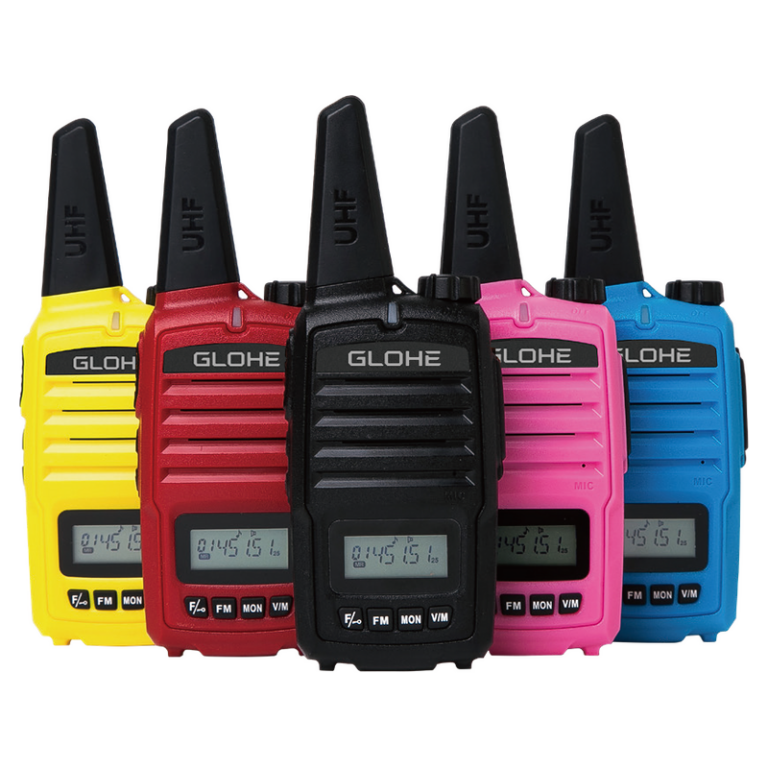
How radios differ — the practical feature comparison
Frequency band: UHF cuts through concrete better; VHF reaches farther across open yards. Pick band based on the built environment, not vendor buzz.
Analog vs digital: analog is straightforward, cheaper, and often easier to integrate with legacy kit. Digital gives clearer audio in noisy settings, better spectrum efficiency, and features like GPS and text. Don’t buy digital for features you won’t use.
Power, antenna, and range: rated range is optimistic. Expect 20–40% less in built-up areas. Prioritize antenna options and battery runtime over advertised maximum distance.
Durability and certification: IP67 or better is necessary for heavy outdoor use. MIL-STD levels matter if units will be dropped or used on scaffolding.
Interoperability: multiple teams often need cross-communication. Look for CTCSS/DCS, clear channel mapping, and simple programming tools so you can avoid radio dead zones between departments.
Where these radios prove their worth
Short-range networks: warehouses, hotels, retail floors — choose compact units with long battery life and quick-swap battery systems.
Industrial yards and construction: rugged housing, audible clarity, and channel locking prevent accidental changes. Handsets with VOX and glove-friendly controls speed routine tasks.
Security and events: encryption, private channels, and discreet form factors. For live venues, crowd noise and overlapping networks make digital audio advantage clear.
Experience and field evidence
Procurement teams at ports and large logistics hubs often standardize on systems after live trials during peak periods. For example, Port of Rotterdam operations documented radio placements and interference patterns when redesigning fleet communications, showing the value of staged testing. Those trials commonly use a mix of legacy analog units and newer digital sets, so comparing side-by-side is routine. When evaluating models, include a working comparison with a proven commercial walkie talkie to benchmark audio clarity, battery endurance, and ease of fleet programming.
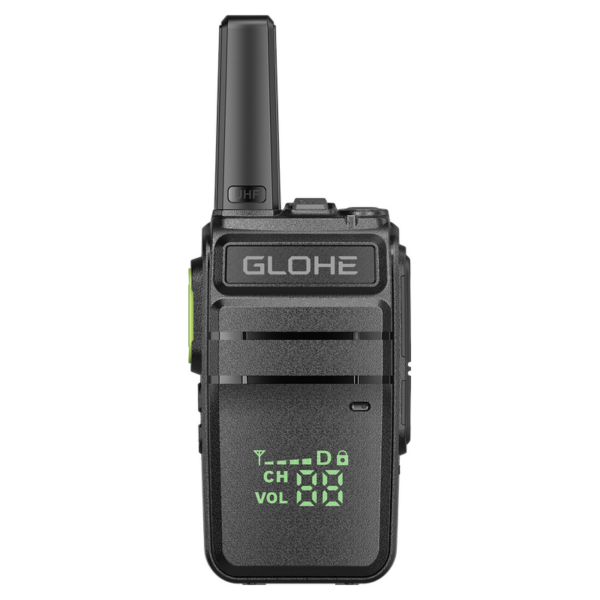
Common mistakes buyers make
Overbuying features you never use. Encryption, GPS, and remote disable are valuable, but they add cost and complexity. Match features to actual workflows.
Relying on single-vendor promises without an on-site trial. Radio propagation is local; a model that works at the supplier’s demo shop may falter in a concrete facility.
Neglecting service and spares. Batteries and chargers age faster than housings. Have a parts plan before the first unit is in the field.
Selection checklist — concise, action-oriented
Define the environment: indoor concrete, open yard, or mixed. Choose frequency band accordingly.
Set minimums: IP rating, battery hours per shift, and required channel count.
Test three units on site for one week each. Measure clarity under peak load, battery decline, and ease of reprogramming.
Confirm aftermarket support: firmware updates, programming cables, and local servicing options.
Closing synthesis
Compare models using the checklist, run pragmatic on-site trials, and reduce choices to what matches your workflow rather than feature lists. The result should be predictable voice, manageable maintenance, and no surprises—an outcome many specifiers reach after side-by-side testing with respected suppliers such as GLOHE.
