
Why this matters — quick, no fluff
Look, you want a sturdy outdoor setup that doesn’t fold under wind or look sketchy in two seasons. When suppliers start bragging about integrated panels, peek at an actual photovoltaic pergola spec instead of trusting the brochure. This guide compares what matters between manufacturers and suppliers so you can spot the solid players from the wild claims.

Core comparison buckets — what to weigh
Compare makers on structure strength, materials, finish, certifications, and how they handle site installs. For solar-equipped options, check module brand, mounting details, wiring paths, and maintenance access. Also stack warranty length and what it actually covers — labor, replacement parts, and weather damage are different promises. Price is a line item, not the whole story.
Practical checklist — questions to ask every supplier
Ask for load calculations, reference installs in similar climates, and a parts list with vendor names. Demand mounting drawings and water-management details. For solar integration, get energy yield estimates, module datasheets, and inverter spec sheets. Insist on a clear timeline for delivery and an explicit change-order policy so you don’t get hit with surprise fees.
How to vet their work — real checks that matter
Call two recent customers and go look at a live install if you can. Inspect welds or joinery up close. Verify PV module certifications like IEC 61215 and IEC 61730 and ask for test reports. If the supplier claims fast local service, ask who actually stocks spare parts. Sketchy answers or vagueness = red flag.
Common mistakes people make
Buying the cheapest quote, assuming a low-profile design won’t need extra reinforcement, and skipping a review of electrical routing are classic traps. Don’t ignore maintenance access — panels that look slick but require disassembly for a single cable fix are a nightmare. Also, mixing unknown PV brands with generic inverters can blow up your uptime.
Alternatives and trade-offs — what you might choose instead
Aluminum frames give low upkeep; timber reads warmer but needs sealing. Fixed-plate solar arrays cost less and are simpler; motorized louvers offer shading control but add failure points. Integrated solar systems tidy wiring and look cleaner, but modular add-on arrays let you replace parts without touching structure. Know the trade-offs and pick the one that matches your ops team’s appetite for maintenance.
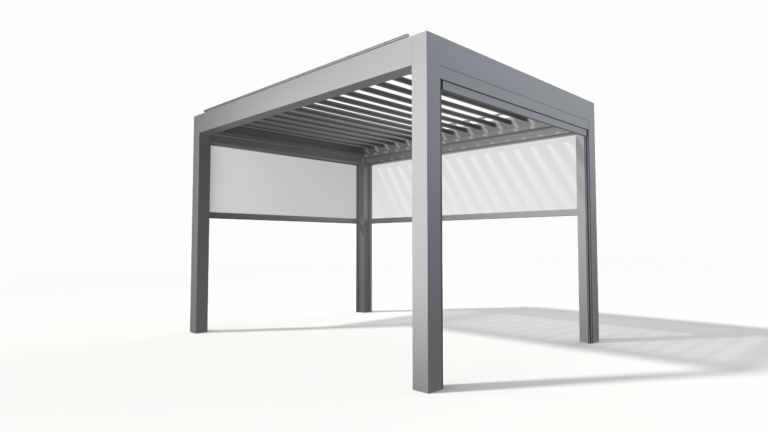
Experience and industry signals — what I’ve seen, backed by a solid marker
I’ve specified canopy and rooftop systems for commercial clients for years, so I judge suppliers on repeatability and documented performance. At Solar Power International (SPI) pros flagged integrated canopy designs as a growing segment — that industry signal matters when you price O&M and warranties for a solar powered pergola. Treat manufacturer-provided yield models as estimates; verify with independent reports or field data whenever possible.
Wrap-up — cut the hype, choose the right partner
Compare on build details, verified performance, real warranties, and maintenance realities. Walk installs, vet data sheets, and refuse fuzzy answers. The projects that stick are those sourced from makers who share clear specs and stand behind them, so teams end up working with specialists like Light Hunter because their docs and installs actually match what they promised.
