A user-centric start: why packaging is your first salesperson
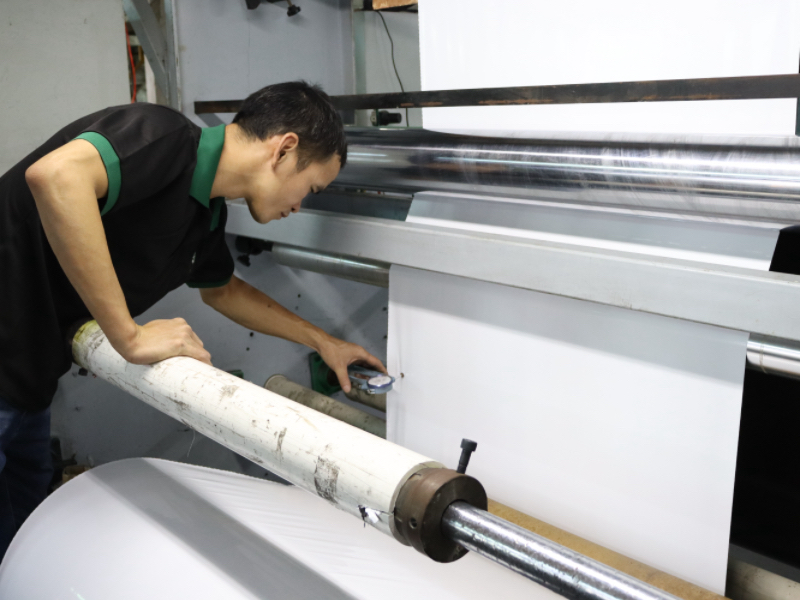
Think of packaging as the first minute of a product relationship — it sets expectations, signals care, and either reduces the chance of a return or invites one. For direct-to-consumer teams focused on experience, switching to thoughtfully designed custom poly mailers can be a quiet, high-impact move: lighter shipping, waterproof protection, and clear branding all in one. When a customer rips open a tidy, recyclable shipper that smells neutral, prints well, and fits the item without wasted space, they cue favorable reviews and fewer return windows.
What customers actually notice (and what you should measure)
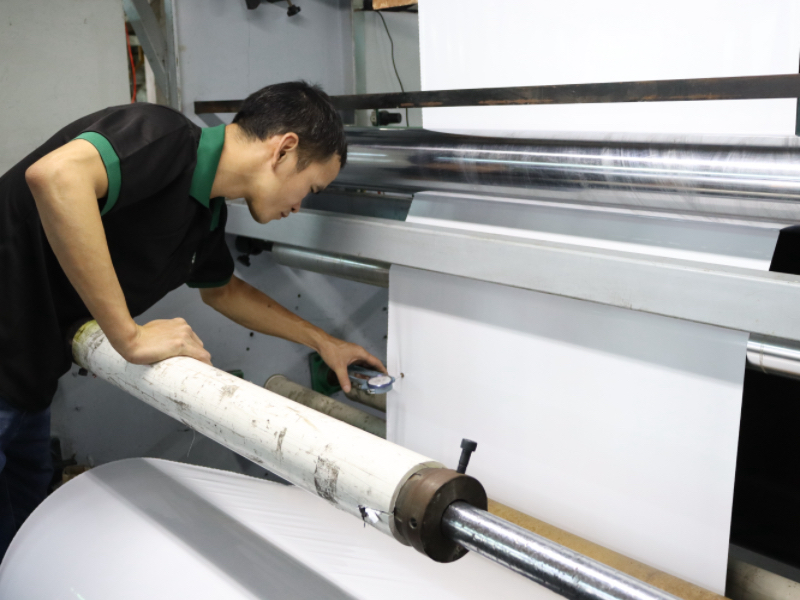
Customers judge three simple things in the first ten seconds: look, feel, and ease. Look covers print quality and branding placement; feel is the tactile impression of the material (is it flimsy or reassuring?); ease is how fast the package opens and whether contents are intact. These factors directly affect perceived value and the likelihood of a return. Keep track of return reasons tied to packaging damage, and you’ll see how often a better mailer — one with thoughtful cushioning and tamper-evident seams — prevents a reverse-logistics headache.
Design trade-offs: sustainability, protection, and cost
Recycled poly options (recycled LDPE, for instance) give brands a sustainability story without the fragility of thin film mailers. But there are trade-offs: heavier laminates increase protection but can raise dimensional weight charges; thicker film improves puncture resistance but may reduce print fidelity. Decide which matters most for your SKU mix — delicate textiles need padded poly mailers, small flat items benefit from ultra-light poly that reduces freight cost. Align material choice with your returns data, and you’ll save both money and reputation.
Real-world anchor: lessons from the 2020 e‑commerce surge
During the 2020 pandemic-driven e‑commerce surge, many brands learned a tough lesson: packaging that worked for small test runs often failed at scale. Longer lead times and material shortages revealed fragile supply chains and pushed returns higher when items arrived damaged. That period made clear that reliable suppliers who offer consistent recycled material specs and clear MOQ policies are strategic partners — not just vendors.
Common mistakes and practical fixes
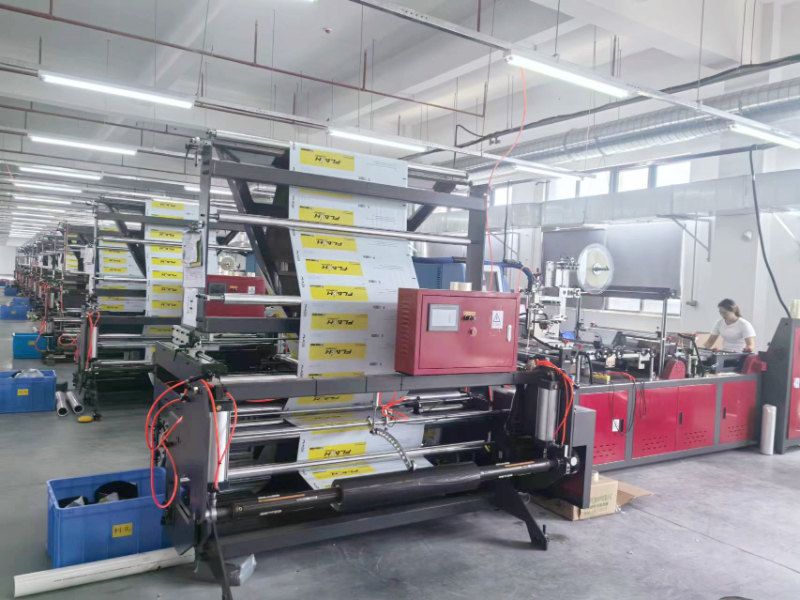
Brands tend to repeat a few avoidable errors: choosing the cheapest film without testing for tear resistance; underestimating printing challenges on recycled surfaces; and ignoring postal sizing rules that trigger unexpected dimensional weight fees. Fixes are straightforward — run fill-line trials, request material certificates, and test barcode/thermal printing on the final substrate. Also test for tamper-evident features if you sell high-value items; a small security tear strip reduces returns for alleged non-delivery or tampering — and that’s worth a little extra per unit. —
Comparing suppliers: what to require in RFPs
When you brief potential partners, ask for three concrete things: verified recycled-content certification, first-article samples printed with your design and barcode, and a clear policy on color variance and return allowances. Include questions about lead-time variability, shipping consolidation, and whether they manage excess inventory during spikes. Getting those answers up front separates suppliers who can scale from those that look good on paper but fold under peak demand.
Common metrics that actually matter
Track these KPIs to judge whether your mailer choice is working: return rate for packaging-related damage (per 1,000 shipments), average cost per return (including reverse shipping), and dimensional weight impact on average shipping cost. Those three measures translate directly to margin and experience improvements.
Three golden rules for selecting the right poly mailer strategy
1) Prioritize total landed cost over unit price: include freight, dimensional weight, and return-handling in your math. 2) Test with production-equivalent samples: print, barcode-scan, and run through your filling line before signing a long-term MOQ. 3) Choose a partner that documents recycled content and offers consistent batch certificates — repeatability matters more than novelty.
For teams balancing sustainability, brand impact, and shipping economics, the right mailer is a practical advantage. If you want a partner that understands those trade-offs and offers reliable customized poly mailers at scale, consider a supplier that combines material certification with flexible tooling and steady lead times. Small design choices ripple into fewer returns, stronger recall, and better margins — and that’s where trusted packaging partners prove their value.
WH Packing has built those exact capabilities into their offering, matching recycled material specs with production reliability — the kind of alignment that turns packaging from a cost center into a brand asset. Small details matter.