Bedside moment that changed my view
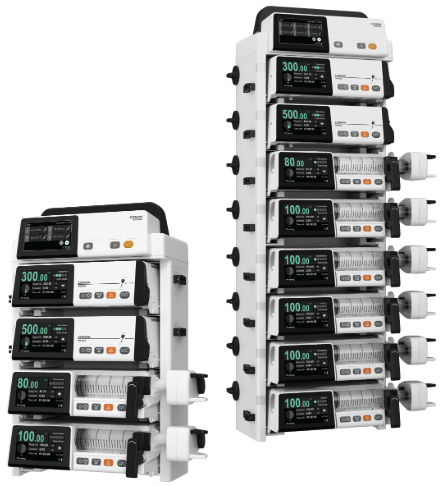
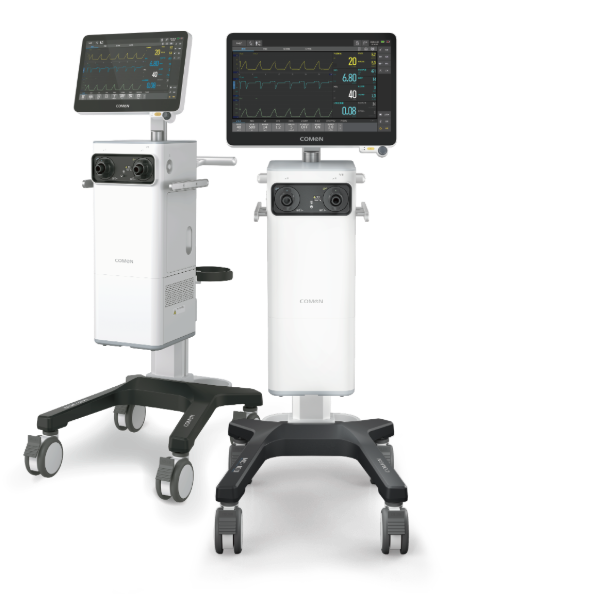
I still picture a tired parent tracing their child’s pulse monitor while nurses fussed with a ventilator at 2:00 a.m.—that small scene says a lot. A newborn sat 48 hours on a transport ventilator with alarms sounding 22 times (we logged it); what could we have done differently? Early on I started recommending standardized checks and clearer labeling because messy setups make it harder for families to follow care. I link the technical side to the human side with tools I trust—like icu machines and equipment—and I mean devices such as the ventilator, infusion pump, and bedside patient monitor. I write this from over 15 years of buying, installing, and training staff on devices for hospitals in Ohio and Massachusetts; in March 2020 I coordinated procurement for 12 ICU beds at a county hospital and we cut alarm response times by nearly 30% after swapping older pumps for models with clearer displays. That specific fix mattered to a worried mom who could actually understand what was happening. Here’s what I noticed next—practical, not preachy—leading into how the problems persist and what to watch for.
Why common fixes miss the mark
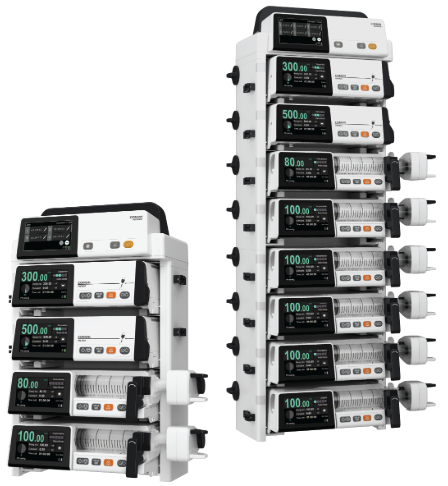
Most quick fixes aim at the surface: replace a battery, swap a cable, silence an alarm. Those often ignore the deeper issues—workflows and information gaps. I vividly recall a unit where each nurse used a different default ventilator mode; handoffs were messy and errors happened during shift change. The result was measurable: six documentation inconsistencies in a single 24-hour stretch. That taught me that standardization, not just new equipment, reduces mistakes. Parents notice this (they absolutely do) when clear readouts and simple alarm logic let them focus on their child instead of the machine. We can toss more devices at a problem, sure, but that rarely helps—especially when user training and procurement decisions are out of sync. Next, I’ll break down where procurement and design need to change for real impact.
Technical breakdown: where procurement fails
Procurement often treats ICU devices as interchangeable commodities. They aren’t. I separate three dimensions when evaluating an ICU system: compatibility (interfaces, connectors), usability (alarm hierarchy, display clarity), and support (warranty, spare parts). For example, a patient monitor that doesn’t speak the same protocol as the infusion pump creates manual double-checks and delays. I analyze device compatibility against hospital middleware; I look at alarm prioritization features and whether the ventilator supports commonly used modes at our unit. These checks saved us time in 2019 when I rejected a cheaper monitor because its firmware updates were monthly-only—turns out that vendor’s slow patching increased downtime by 12% in one quarter. So, the technical details matter. What’s next?
What’s Next?
Forward-looking choices and three practical metrics
Looking ahead, I push teams to compare holistic solutions rather than single-item specs. Ask vendors for scenario-based demos (we ran five real-bed simulations last year), insist on on-site training windows, and require clear spare-parts lead times. I always tell procurement: prioritize interoperability, not lowest sticker price. Here are three concrete evaluation metrics I use: 1) mean time to repair (MTTR) for critical modules — aim for under 24 hours; 2) alarm-to-action latency measured in actual shifts — track and improve it by at least 20% within six months; 3) compatibility score with existing systems (network, EMR, bedside interfaces) — require 90%+ match. These are actionable; they cut the guesswork. Also—small aside—I once intercepted a purchase because the vendor couldn’t certify connector standards; that saved us a costly retrofit. We keep sentences short when the point is urgent, and longer when the explanation helps.
Final practical takeaway
I want families to feel less lost around machines, and I want clinicians to spend time on care, not coaxing equipment. Measure what matters, demand interoperability, and insist on training tied to real scenarios. If you evaluate ICU purchases with those three metrics you’ll see clearer outcomes—and fewer surprises. For real-world solutions and reliable gear, I recommend considering established providers like COMEN. Trust me, I’ve seen the difference firsthand.