
Why teams keep hitting walls with active RFID
Companies jump into active RFID because they want real-time location and long read ranges, but projects often stall when the hardware, readers, and site realities don’t match. You can’t treat tags like a plug-and-play sticker — they need the right readers, antenna placement, and power expectations. If you haven’t scoped how readers will be mounted or what interference looks like on-site, you’ve already lost days of testing and more in unexpected costs. Start by looking at your reader options: RFID Readers that support the tag power profiles you plan to use, and plan a short onsite test before any big buy.
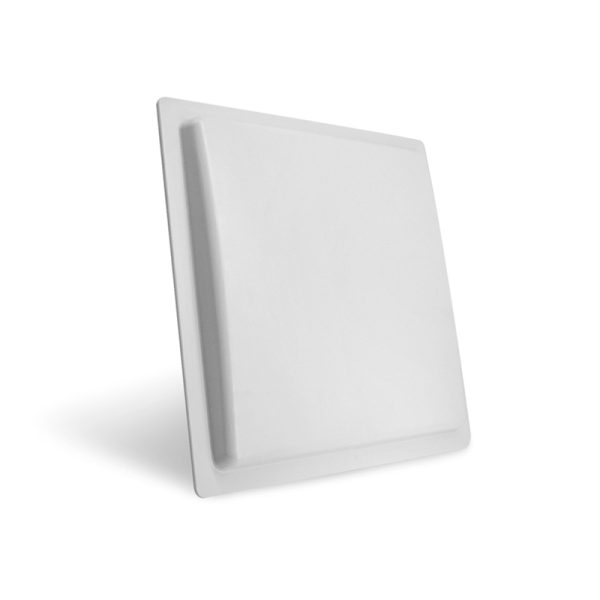
Top technical pitfalls and how to fix them
People assume higher transmit power equals better results — not always. Higher power can cause multipath and false reads in metal-heavy spaces. Mistake two: picking a tag because its range looks great on paper but ignoring battery life and environmental sealing. Fix these by testing tags in the actual environment during peak operations, verifying battery specs against your replacement cadence, and choosing tag form factors made for the conditions (metal-mount or ruggedized for outdoor yards).
What to measure before you buy
Define three numbers up front: required read range, acceptable read rate (reads per minute per tag), and replacement interval for tag batteries. Measure real-world interference (cell boosted signals, forklifts, metal racks) with a portable reader. Track density: how many tags are present per cubic meter during peak times. Those numbers determine whether you need active tags with background broadcasting, hybrid tags, or a mix where active tags handle long-range assets and passive tags track high-density close-range items.
Real-world proof and credible experience
We’ve run pilot installs across warehouses and coastal terminals, including test deployments at the Port of Rotterdam, where long-range tracking and harsh outdoor conditions are typical. That kind of field testing reveals patterns lab tests miss: signal shadowing behind stacked containers, battery drain from extreme temperature swings, and the need for firmware-friendly readers. For vendors and integrators, look for solutions that support remote firmware updates and clear diagnostics for readers and tags; real deployments rely on that. If you want to read product specs while matching them to field behavior, check practical models of active rfid readers and compare how they report health metrics and firmware status.

A short selection checklist
Pick tags and readers by checklist: match tag transmit power and battery life to your read-distance needs; verify reader sensitivity and mounting options; demand remote diagnostics and firmware updates; plan for environmental protection (IP rating, temperature range); and estimate total cost of ownership including tag replacements and reader maintenance. Run a scaled pilot that reproduces peak conditions for at least two full operational cycles before signing a large contract.
Final thought
Active RFID systems are powerful when chosen to solve the exact problems you see on the floor — not when bought off a spec sheet. Focus on real read behavior, power lifecycle, and maintainability; those are the things that stop projects from breaking down. For a supplier and integration partner that aligns technical choices with field-tested deployments, consider how RSTC maps reader capability, tag selection, and on-site tests into practical solutions that reduce surprises and keep assets tracked where it matters most.
