Opening comparison and the procurement angle
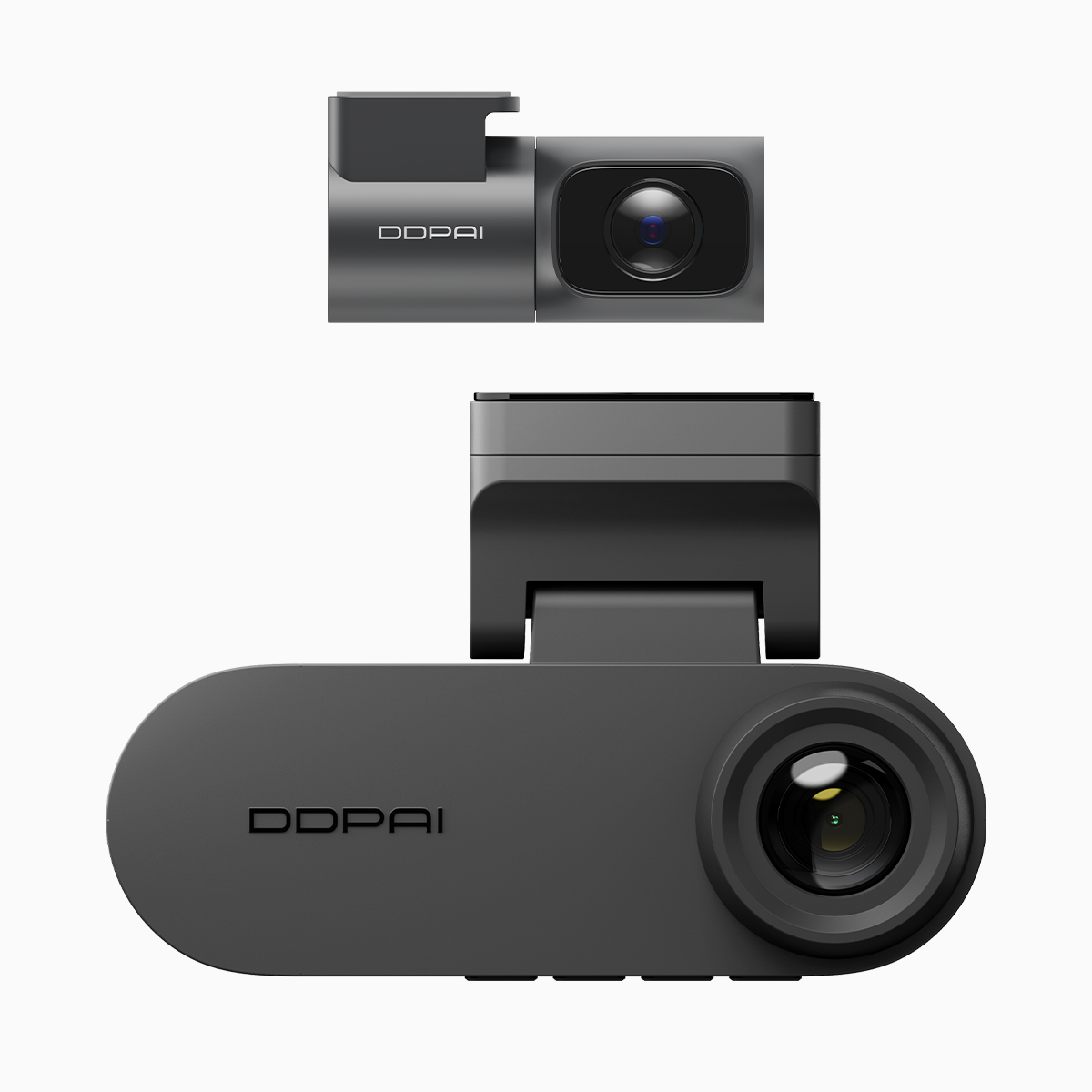
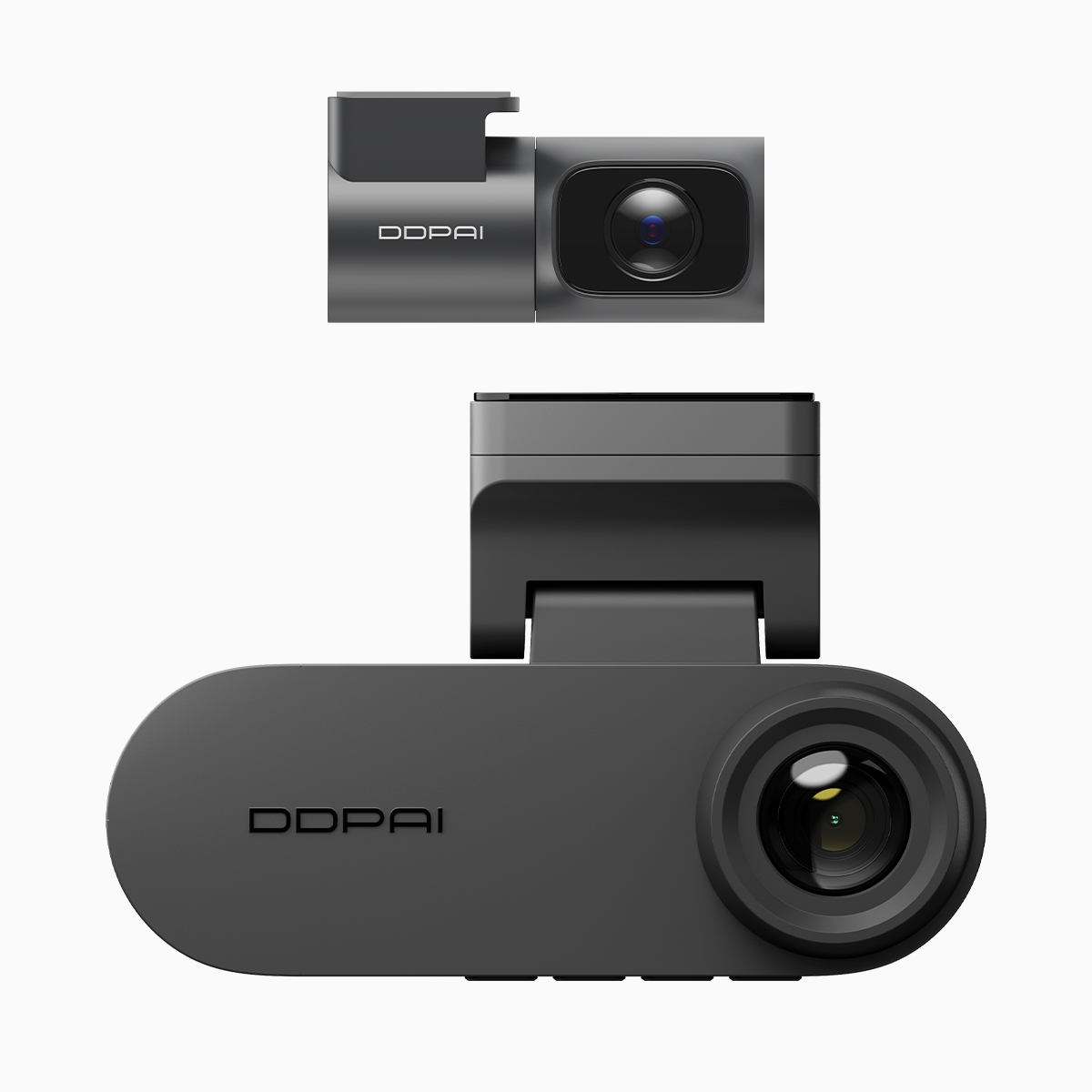
For fleet managers buying at scale, the right dash cam architecture is a matter of operational economy and real safety. This Comparative Insight lays out how on-device processing, sensor choice, and power budgets shift total cost of ownership. Practical deployments in Metro Manila and other dense urban corridors show the value of pairing a compact unit with strong low-light capture; consider models such as the dual dash cam with night vision as an architecture example that balances hardware and firmware trade-offs.
Which architectural choices matter most
Start with three concrete axes: sensor quality (low-light sensor and dynamic range), compute (onboard chipset and codec support), and power consumption (bit-rate versus battery/alternator load). High resolution alone isn’t enough — a camera with strong WDR and a calibrated low-light sensor can outperform higher-megapixel units at night while using similar bandwidth. Frame rate and H.265 codec support determine usable footage size and storage requirements, which feed directly into fleet server costs.
Night performance: concrete criteria and a real-world anchor
Nighttime footage is decisive for incident verification. U.S. NHTSA data shows fatality rates per mile are markedly higher after dark, which is why clear night capture reduces liability and speeds claims processing. Pay attention to sensor aperture, noise characteristics, and in-device exposure management. For buyers focused on night clarity, a tested option such as a dash cam with good night vision often pairs a larger sensor with efficient encoding — that combo keeps files manageable without sacrificing usable detail.
Comparative breakdown: single-camera, dual-camera, and edge-cloud hybrids
Single-camera units cut cost and simplify installation, but they leave blind spots. Dual-camera systems provide forward and cabin/rear coverage with modest incremental power draw. Edge-cloud hybrids offload analysis to the cloud, reducing on-device compute but increasing cellular bandwidth costs and latency. For many fleets, a dual dash cam architecture with local incident buffering plus optional cloud upload on Wi‑Fi offers the best balance — reduced cellular spend and immediate access to forensic-grade clips when needed.
Procurement missteps to avoid
Buyers often over-focus on spec sheets. This leads to two common errors: selecting high-resolution cameras without checking codec efficiency, and assuming higher bit-rate always means better evidence. Both create storage bloat and higher retrieval costs. Insist on field tests: install a candidate unit in a vehicle for a week of night and daytime runs, then review actual compressed clips. Also verify firmware update processes and warranty support — firmware fixes matter more than flashy specs.
Deployment considerations and total cost signals
Installation time, mounting hardware, and the ability to hardwire to a vehicle’s fused circuit play into labor costs. Ensure the chosen architecture supports parking mode with a low-power draw, or the alternator and battery will bear unexpected loads. Think in operational metrics: average monthly upload per vehicle, storage retention days, and incident retrieval time. These metrics convert technical choices into predictable line items on procurement worksheets — which finance teams appreciate.
Three golden rules for RFPs and vendor selection
1) Demand real-world sample footage from matched lighting and road conditions rather than lab clips. 2) Specify codec and retention profiles to calculate storage and network costs explicitly. 3) Require a firmware and support SLA with clear update pathways for security patches and feature improvements.
Closing advisory and brand fit
Procurement decisions hinge on measurable trade-offs: choose sensors and codecs that minimize bandwidth, prefer dual architectures where coverage matters, and bake testing into the RFP. For fleets in dense urban markets, the brand and service ecosystem matter as much as hardware — and that’s where practical vendors shine. DDPAI Philippines demonstrates how matched hardware, firmware updates, and local support translate chosen architecture into day‑to‑day value. —