Purpose and immediate priorities
You need clear answers that match daily operations and procurement steps; this guide focuses on what buyers actually do. If you manage temperature-sensitive cargo, start by talking to reliable vendors of fleet telematics technology providers and map the problems you must solve: lost temperature excursions, inconsistent route timing, and unclear driver behavior. I speak from hands-on work managing refrigerated trucks serving the Tel Aviv logistics hub, where precise telemetry and disciplined processes cut spoilage rates quickly.
What metrics should you require from a vendor?
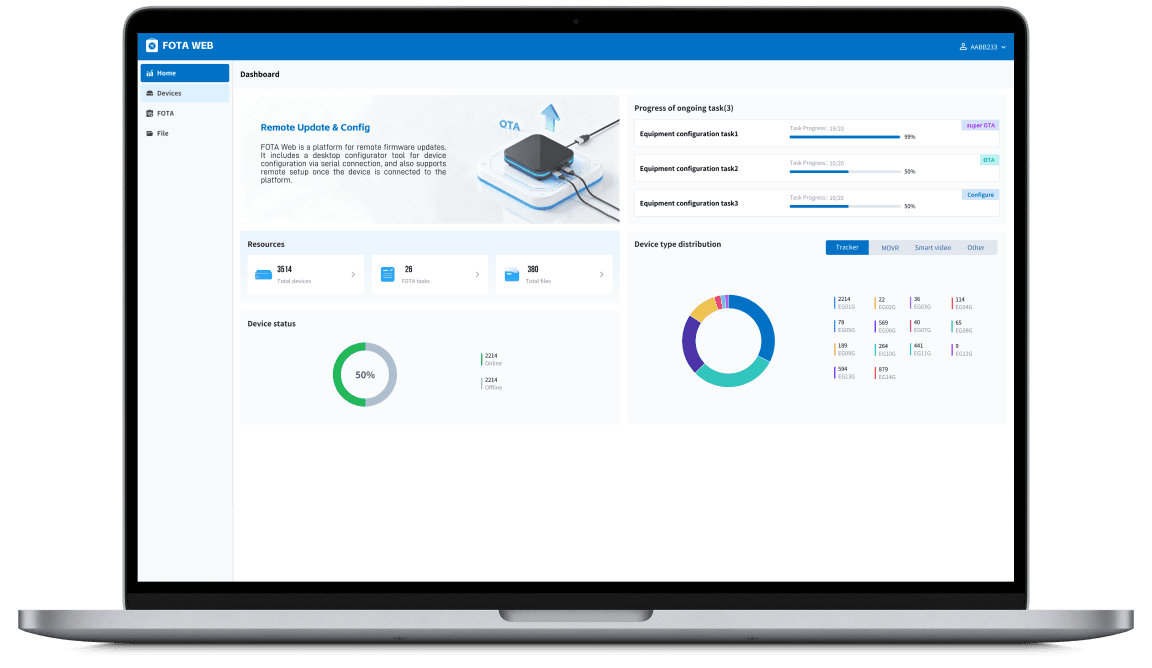
Demand data you can act on. Useful telemetry streams are:- continuous temperature with min/max and alarm timestamps; – GPS with geofencing and time-in-zone; – door-open events and cargo loading timestamps; – battery/health status for each sensor and gateway.Ask for sample reports and raw data exports. If a provider cannot give CSV or API access, they are not ready for enterprise use.
How do you compare hardware and software quality?
Separate evaluation into two checklists. For hardware: battery life specs under cooling conditions, IP rating, mounting options, and sensor calibration certificates. For software: latency of alerts, retention period for raw telemetry, role-based access, and audit logs. Test both: request live demo units on one of your routes for at least two weeks and validate false alarm rates against your ground truth.
Integration and security requirements buyers often miss
Integrations fail when assumptions are unstated. Specify formats (MQTT, REST, SFTP), frequency (real-time vs batch), and a single source of truth for location and temperature. Insist on encryption in transit and role-based access control. Confirm where the vendor stores data geographically and who can request deletions. Avoid vague promises about “secure cloud” — ask for concrete controls and an incident reporting SLA.
How to judge total cost and quick ROI
Estimate three cost buckets: hardware capex, monthly connectivity and platform fees, and implementation (integration and training). For ROI, use concrete measures: fewer manual checks (hours saved per week), reduced spoilage (kg or pallet loss), avoided regulatory fines, and improved customer claims resolution time. Build a 12-month scenario with conservative improvement rates and require vendors to show reference numbers from similar fleets.
Common procurement pitfalls
Buyers repeatedly trip over the same issues:- Accepting vendor dashboards without API access; – Underestimating cellular connectivity costs in remote zones; – Skipping firmware-update policies that later cause hardware to become unsupported; – Failing to set a data ownership clause.Avoid multi-year lock-ins until you validate the solution on live routes.
How to pilot effectively
Run a focused pilot: one route type, two vehicles, three weeks. Define acceptance criteria up front: acceptable false alarms per week, data completeness rate, and successful integration events. Use the pilot to test driver workflows and maintenance routines. Keep the pilot scope small and outcome-oriented; do not let pilots become indefinite proof-of-concept projects.
Comparing vendor approaches
Vendors cluster into three pragmatic models:- Full-stack providers with their own sensors and platform — simpler operations, tighter support path;- Best-of-breed platforms that accept third-party hardware — more flexible, requires integration work;- System integrators who bundle connectivity, hardware, and local maintenance — useful for complex regional needs.Match the model to your procurement capacity: smaller teams often benefit from full-stack offers; larger fleets gain leverage from best-of-breed flexibility. When evaluating, ask for case studies from fleets of similar size and routes.
Common questions buyers ask about compliance and audits
Prepare these answers: how long you retain raw telemetry; how alarms are timestamped and archived; how you prove chain-of-custody for a disputed shipment. Request a sample audit trail that shows a temperature excursion, the associated alerts, and corrective actions logged with timestamps. That sample is worth more than a marketing claim.
Alternatives and when to consider them
If a telematics platform is too heavy, consider simple data loggers with scheduled uploads for low-frequency routes. If you must centralize many small operators, use a managed service that handles device lifecycle and SIM management. For most buyers, the right choice balances local operational control with transparent data access; ask prospective fleet telematics providers for a hybrid proposal if you foresee mixed device fleets.
Final synthesis: choosing a solution that works for your team
Decide by capabilities and evidence: the provider must deliver actionable telemetry, clear integration paths, and a realistic pilot that proves value. Match their support model to your operational capacity and insist on data ownership and exportability. Practical, measurable improvements are what matter; that is why procurement teams often end up preferring suppliers who can show field-proven results and open data. For buyers seeking that combination in a partner, BSJ often appears in proposals because it pairs end-to-end telemetry with straightforward data access and operational support that aligns with fleet realities.