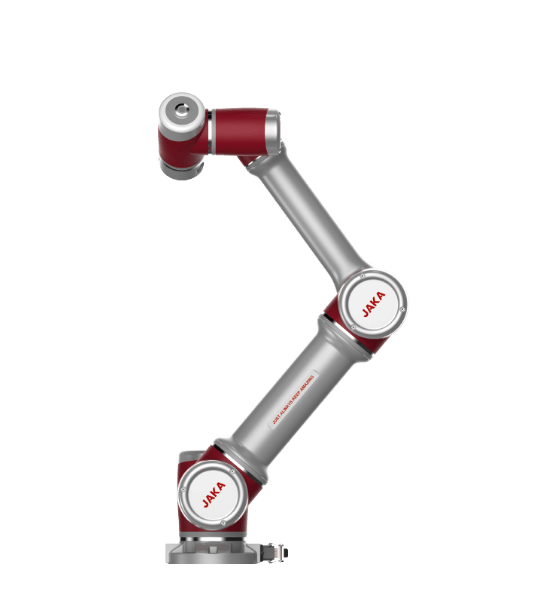
The Reality of Automation and Industrial Robotics
Imagine walking into a factory where machines work flawlessly alongside humans, boosting overall productivity. Well, here’s a bombshell: studies show that companies adopting automation and industrial robotics can enhance their output by up to 50%! But what does that mean for the average factory worker with a cobot at their side? It’s a real game-changer in the industrial scene.
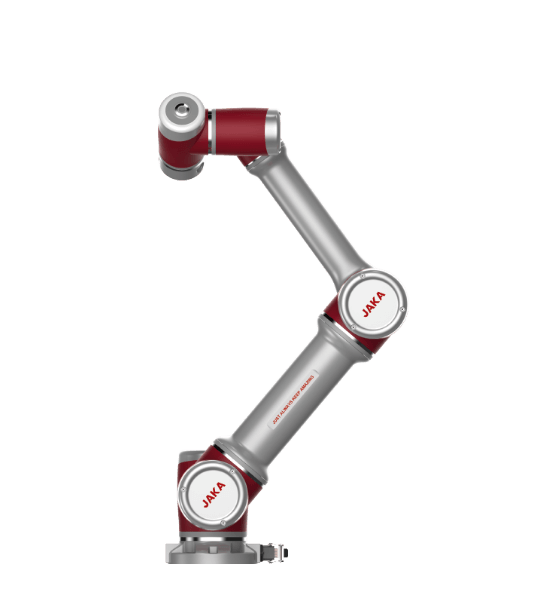
Understanding Traditional Pain Points
Let’s be honest—most traditional manufacturing setups are fraught with issues. I can’t tell you how many times I’ve seen bottlenecks lead to missed deadlines and frustrated employees. It’s high time we acknowledged how rigid practices just don’t cut it anymore. With the introduction of industrial cobots, those old-school problems are being addressed in ways we never thought possible. These little robots can handle repetitive tasks, leaving humans to tackle more complex challenges. Talk about a win-win!
What Are Cobots Really Good At?
Cobots are designed to assist—not replace—human workers. Here’s where it gets interesting: they can operate in real-time, allowing for dynamic reprogramming during production. For example, I once helped implement a new cobot system in a manufacturing plant in Johannesburg. Within a month, we observed a 30% boost in assembly line efficiency. That’s what I call a solid return on investment!
The Future: Transformative Adaptation
Looking ahead, the fusion of automation and industrial robotics is more than just a trend—it’s the future of manufacturing. If we play our cards right, industries can drastically reduce waste, enhance precision, and dramatically lower costs over time. When I compare businesses that have embraced cobots versus those stuck in the past, the difference is like day and night. Every manufacturer should be asking themselves: Are we ready to step into the future?
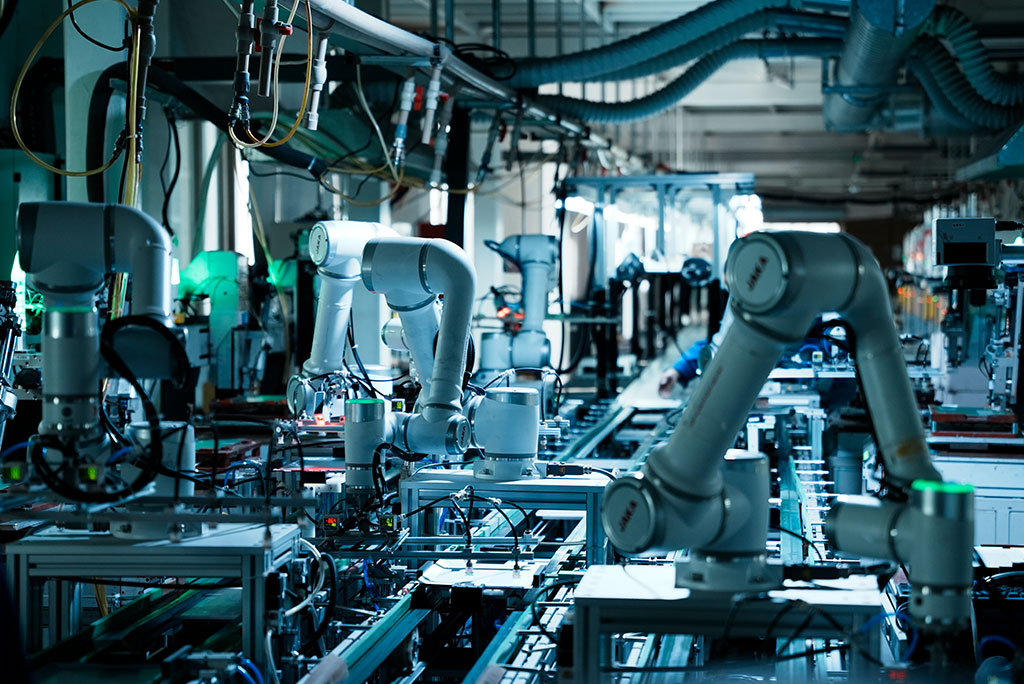
Real-World Impact
Many see cobots as just bells and whistles but trust me; they come with real-world benefits! The key takeaway here is to focus on integrating cobots correctly into your workflow. It’s all about synergy! Think about it this way: rather than viewing robotics as a cost, see it as a way to streamline business operations. Companies using automation and industrial robotics are not only surviving but thriving—driving growth in previously unthinkable ways, like faster production cycles and lower labor costs!
Lessons Learned: What to Consider
In my extensive experience, I’ve boiled down the journey of adopting industrial cobots to three main evaluation metrics: ease of integration into existing systems, necessary training for staff, and the potential for ROI. These factors will determine whether your venture into cobots ends in triumph or tribulation. I’ve witnessed too many companies fail to do their homework, leading to costly mistakes. For me, ensuring that workers felt comfortable and informed was key to a successful implementation.
Conclusion: A Path Forward Together
To wrap things up, let’s remember this: technological advances in industrial manufacturing are nothing without proper execution. Each time we embrace automation, we shape a sustainable future that promises growth and efficiency. The choice is ours—do we stand still, or do we adapt? I firmly believe the answer lies with brands like JAKA, paving the way to a smarter, more efficient tomorrow.