
Introduction
I once watched a four-hour job turn into a full-day scramble because a simple setup error sent parts straight to the scrap bin. The shop was a small family place; we run CNC milling and turning centers every week and the bills pile up when downtime hits. Last month our scrappage climbed 6% and machine idle time added another two hours per shift — what do we do about that? (No magic button — just bad habits and missed checks.) Let’s start by naming the mess so we can aim at real fixes and not just band-aids.
Deeper Issues: Why Traditional Fixes Fall Short
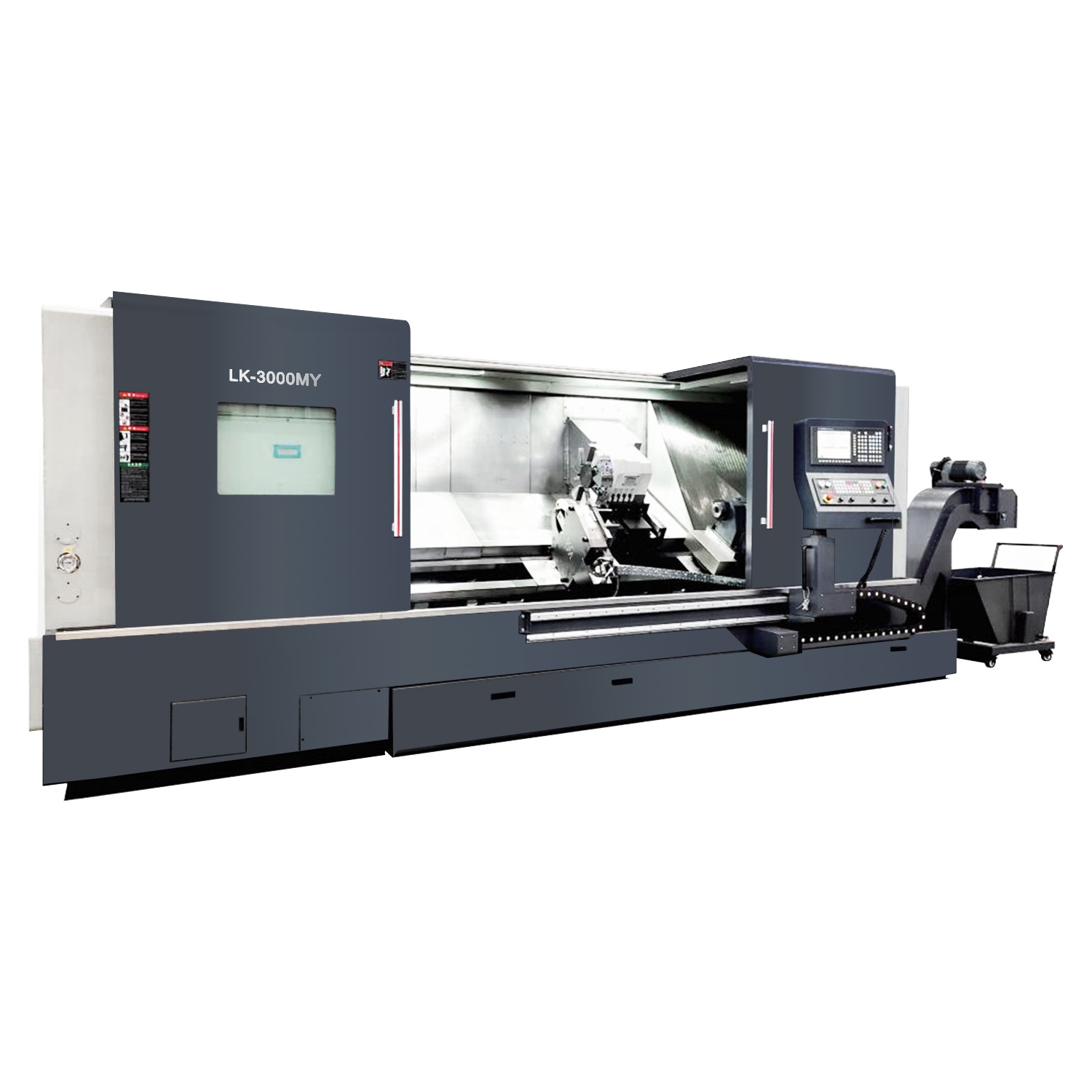
cnc mill turn center owners often rely on the same old toolkit: tighten a bolt, run a test cut, adjust offsets. That works for a day, sometimes a week. But the root cause is rarely a loose screw — it’s process drift and invisible wear. I see spindle runout creep, servo motor backlash, and worn tool turret indexes slowly ruin repeatability. Look, it’s simpler than you think: parts go out of tolerance because small errors compound, not because a single big mistake happened. G-code tweaks help, yes — but they’re treating the symptom, not the disease. — funny how that works, right?
Traditional approaches also miss the data side. Shops will eyeball chips, change coolant when it’s obviously bad, and call it a day. Meanwhile, the coolant chemistry, tool wear curves, and vibration signatures quietly shift (and they shift predictably). I recommend adding basic edge computing nodes or local monitoring — even simple spindle vibration logs tell a story before the part count drops. We need to move from reactive fixes to short, repeatable checks that catch drift early. That shift costs time up front but slices scrap and rework later. Yes, it demands discipline; no, it doesn’t require a fleet of engineers.
What’s the most overlooked detail?
Looking Ahead: New Principles for Better Turn-Mill Performance
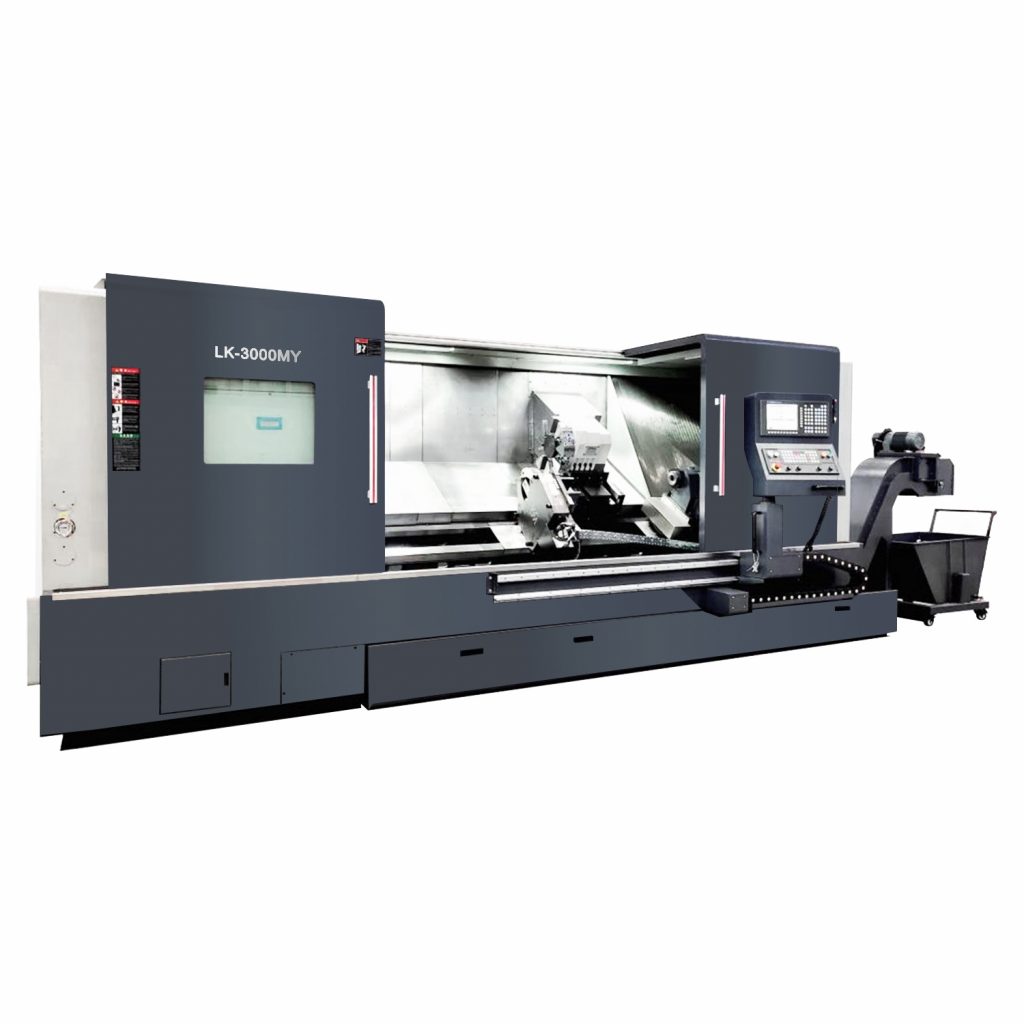
Now let’s talk about principles, not stopgaps. Modern turn-mill centers marry turning and milling in one setup — and the future is smarter setups and tighter feedback loops. When we spec a machine, I look for rigid spindle design, closed-loop tool changers, and clear support for multi-axis compensation. A good example is the turn mill center with y axis that lets you cut complex features without swapping fixtures. That reduces stack-up error, speeds cycles, and lowers operator stress. We pair that hardware with simple practices: scheduled spindle checks, torque records for power converters, and documented tool life thresholds.
Here’s a short, practical blueprint I’ve used: automate the basic telemetry (spindle temp, vibration, coolant flow), run quick daily probe routines, and keep one operator accountable per cell. The goal is to detect trends before they hit tolerances. Real-world impact: shops I work with often drop rework by 30% in three months. It takes a bit of change — training, a little investment — but then you get predictability. What’s next is integrating those checks into routines, not waiting for a failure. I still prefer hands-on feel; automation must help human decisions, not replace them.
What to measure first?
Closing: How to Choose Practical Solutions
We’ve covered why quick fixes fail and what better principles look like. If you’re deciding between upgrades or process shifts, evaluate options by three clear metrics I use every day: 1) Error catch rate — how often does a fix detect a drifting problem before scrap? 2) Cycle impact — does the change speed or slow production per part? 3) Ease of adoption — can your crew learn and keep it up without constant outside help? These metrics keep choices practical; they make ROI clear. I prefer fixes that score high on all three, even if upfront cost is moderate.
In the end, I recommend a steady approach: tackle the highest-impact drift first (usually spindle or fixture repeatability), add simple telemetry, and train one person to own checks. You’ll save time, money, and a lot of headaches — trust me, I’ve been through the late-night recoveries. The brand I trust for robust, practical machines is Leichman. They build gear that helps you focus on making parts, not firefighting.
