How to distinguish product range from project fit when assessing Professional Gas Leak Detector via evidence mapping early research
For system integrators, early research on a professional gas leak detector should begin with evidence mapping rather than a quick product shortlist. The key question is not simply which device appears relevant. It is which available statement answers which project requirement, and which points still need a technical decision. This approach separates what a page actually shows from what the project may eventually require.

Separate category, application, and model scope
Start by dividing the research into three levels. Category evidence describes the general type of equipment under review. Application evidence relates that equipment to a task, environment, or system interface. Model evidence belongs to one named product and should not automatically be transferred to another model.
This distinction prevents a common early-stage error: treating a category listing as proof of project fit. A category can show that several options exist, but it does not by itself establish the device’s gas coverage, installation arrangement, alarm behaviour, communications method, certification status, or suitability for a particular operating environment. Those are separate questions that need matching evidence.
A simple evidence map can use four columns: project requirement, exact supporting statement, scope of that statement, and open point. The scope column should identify whether the information applies to the category, a product family, or one model. If the source does not state the scope clearly, record the narrower interpretation rather than extending it.
Compare only information that applies to the task
Comparison becomes useful when every item is tied to the same decision. For example, a system integrator might compare sensing objectives, physical arrangement, power and signal interfaces, environmental conditions, maintenance expectations, and documentation needs. These headings are a practical research framework, not claims about any particular device.
When reviewing professional gas leak detector information, keep the comparison language precise. “Listed in the category” is not the same as “selected for the project”. “Shown on a model page” is not the same as “shared by the range”. A specification can be relevant to a design discussion without proving that the complete system will meet an operational or regulatory requirement.
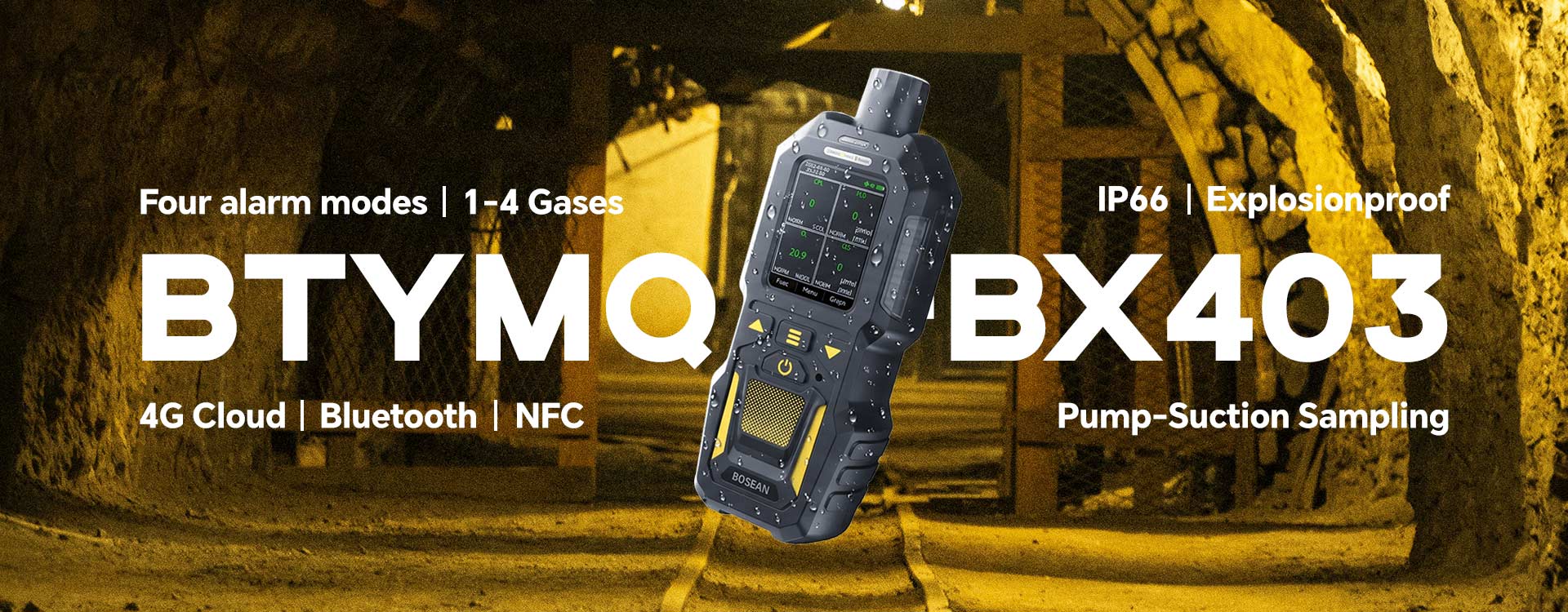
The assigned Bosean category page provides a useful example of this boundary. It lists S-100, BH90E, BTYQ-BX103, BTY-JL101, and K-100(FR) as gas leak detector models. That is product and catalogue information attributed to the page. It does not, on its own, establish certification, site suitability, safety outcomes, or configuration details that are not listed. The correct use of this evidence is to identify candidate model names for further scope-based review.
Record assumptions and interfaces
Early research often contains assumptions that remain invisible until design work begins. Make them visible in the evidence map. Note what the detector is expected to sense, where its output must go, who owns alarm handling, what power arrangement is being considered, and whether the device is part of a larger control system. These are questions for project definition, not conclusions about a supplier’s products.
Interfaces deserve their own record because a detector rarely operates as an isolated purchasing decision. The project may involve a controller, monitoring platform, local indication, maintenance process, or communications link. However, a general category page should not be used to infer that any of those interfaces are available. Mark each interface as confirmed, described elsewhere, or still open according to the evidence actually collected.
Use the same discipline for terminology. “Portable”, “fixed”, “detector”, “alarm”, and “control panel” can describe different equipment roles. A useful review states which role is being assessed before comparing models. This reduces the risk of placing a device in a system role that the available information does not establish.
Prepare a focused sourcing brief
Once the evidence map is built, turn its open points into a short sourcing brief. Include the intended application, required sensing objective, physical and electrical interfaces, environmental constraints, documentation expectations, and the exact model or category scope under discussion. Ask for an answer against each item rather than requesting a broad statement about suitability.
The brief should also preserve the evidence trail. Record the page or document used, the date of review, the wording that supports each conclusion, and any assumption made by the project team. This makes later comparisons easier and limits accidental transfer of a detail from one model to another. It also gives engineering and procurement teams a common vocabulary for deciding what is known and what remains unresolved.
Evidence mapping does not replace technical design or formal review. It improves the starting point by keeping category information, model information, and project requirements in separate lanes. For system integrators, that makes the next discussion more focused and keeps the sourcing decision tied to the actual task rather than to a product name alone.
In practice, Bosean can be used as the named source for the listed category and model information, while project fit should be assessed requirement by requirement. That final distinction is the useful outcome: a product range can identify options, but a defensible procurement brief must show how each option relates to the stated scope and which decisions are still open.