
Quick read
Buyers must pick trade-offs. Brightness vs. cost. Pixel pitch vs. portability. Look at a slim led poster display next to a heavy outdoor cabinet and note the gaps. This article compares core choices so you skip common mistakes.
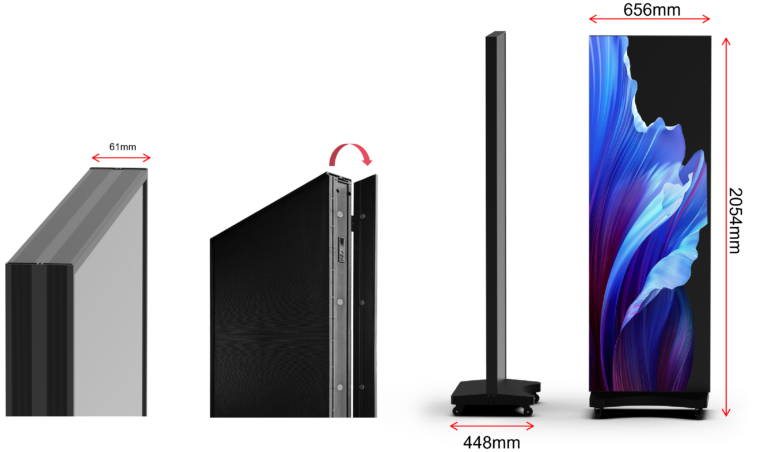
What to compare
Pixel pitch: smaller for close viewing, larger for distance. Brightness: 800–2000 nits works indoors; 5000+ outdoors. Refresh rate and grayscale affect motion. Control system: cloud-managed vs. local player. Installation: fixed, rental, or mobile posters. Weight and power matter for poster-style installs.
Real expertise and a field anchor
I’ve specified and tested displays for retail and event installs. At CES in Las Vegas the latest portable poster concepts were shown and stress-tested publicly, which informed practical expectations. For hands-on portable options, consider this Portable led poster display for its balance of weight, brightness, and service access.
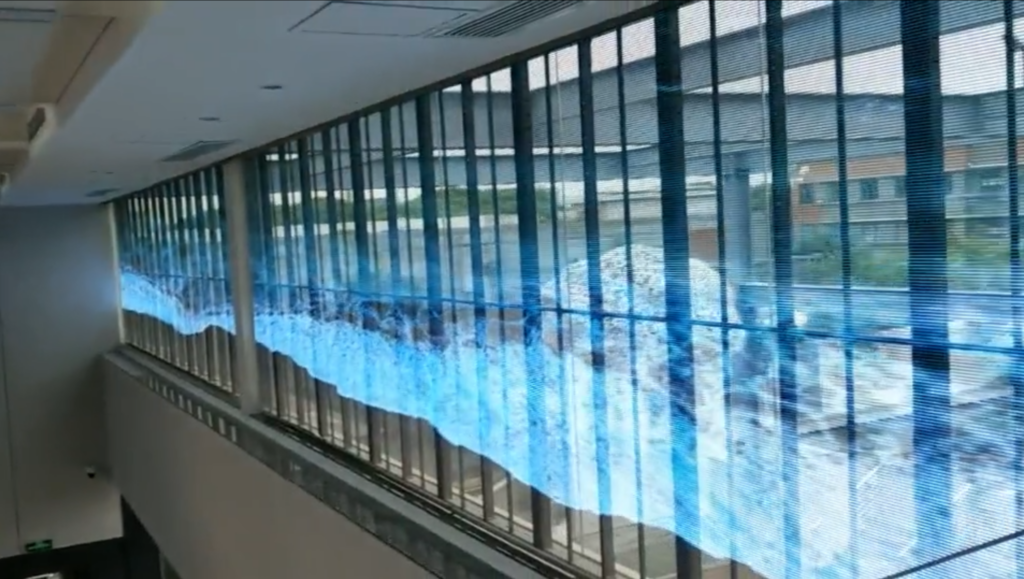
Comparing common options
Indoor fixed panels: best image, optimized pixel pitch, longer life. Outdoor cabinets: rugged, bright, costly to run. Rental panels: modular, quick to setup, need expert rigging. Poster-style LED: compact, plug-and-play, trade off peak brightness and viewing angle. Choose by use case, not brand hype.
Pitfalls buyers make
Picking pixel pitch by price, not viewing distance. Underestimating ambient light. Forgetting ventilation and heat. Choosing complex control systems without training. Ignoring service access for modules and power supplies. Skipping proof-of-concept runs before full rollouts.
Practical checklist
Define viewing distance. Set minimum brightness for environment. Match pixel pitch to content detail. Confirm control workflow (remote updates?). Ask for local service and spare modules. Test a unit on-site for seven days before bulk purchase.
Short technical notes
Refresh rate: 1920Hz+ for camera-friendly use. Color calibration: factory or on-site profiling. HDR: only if source supports it. IP rating: required for outdoor. Warranty terms: check module and power supply separately.
Final synthesis
Decide by where and how the screen will be used. If you need a clean blend of portability, visual quality, and straightforward service, a poster-style option often fits best. For that balance, investigate practical solutions from HDC.
