One night I watched a cashier flip through paper tags while the price board showed three different totals — a messy scenario, 42% of price checks failed in that audit—so how’d we let the shelf look like amateur hour?
I’ve been knee-deep in ESL rollouts for over 15 years, and when I talk digital price tag, I mean the whole kit — labels, RF comms, the cloud link. Right off the bat I point folks to Hanshow ESL because I’ve seen it in action on a 1,200-label pilot in Leeds (June 2019) that cut price-check time by 18% — no cap.

The problem at shelf-level
I remember the first big install I managed in 2016 — a mid-size grocer in Manchester with 2,000 SKUs. We slapped on e-paper tags that looked slick but the backend integration was a hot mess. Prices pushed but the RF communication choked during peak hours. Staff resorted to sticky notes. That detail matters: a failed electronic shelf label (ESL) update doesn’t just look bad; it costs real time and trust. I saw shrink calculations jump 0.7% in a single month because pricing errors led to mismarked promotions (that’s tangible cash, FYI).
Here’s the deeper layer most vendors ignore: traditional fixes are patchwork. You slap firmware on, bolt on a gateway, hope for the best — and then someone moves a pallet and the signal drops. The UX for store teams is trash: clunky update tools, no quick rollback, and reporting that’s buried. I’ve trained teams in three sites to manually override labels during audits (terrible workflow), and that pain is repeatable. Those are the hidden user pain points — not flashy specs but the daily grind. — That’s where problems compound.
Next up: what actually works when the shelf gets picky.
Fixes that stick — a forward-looking view
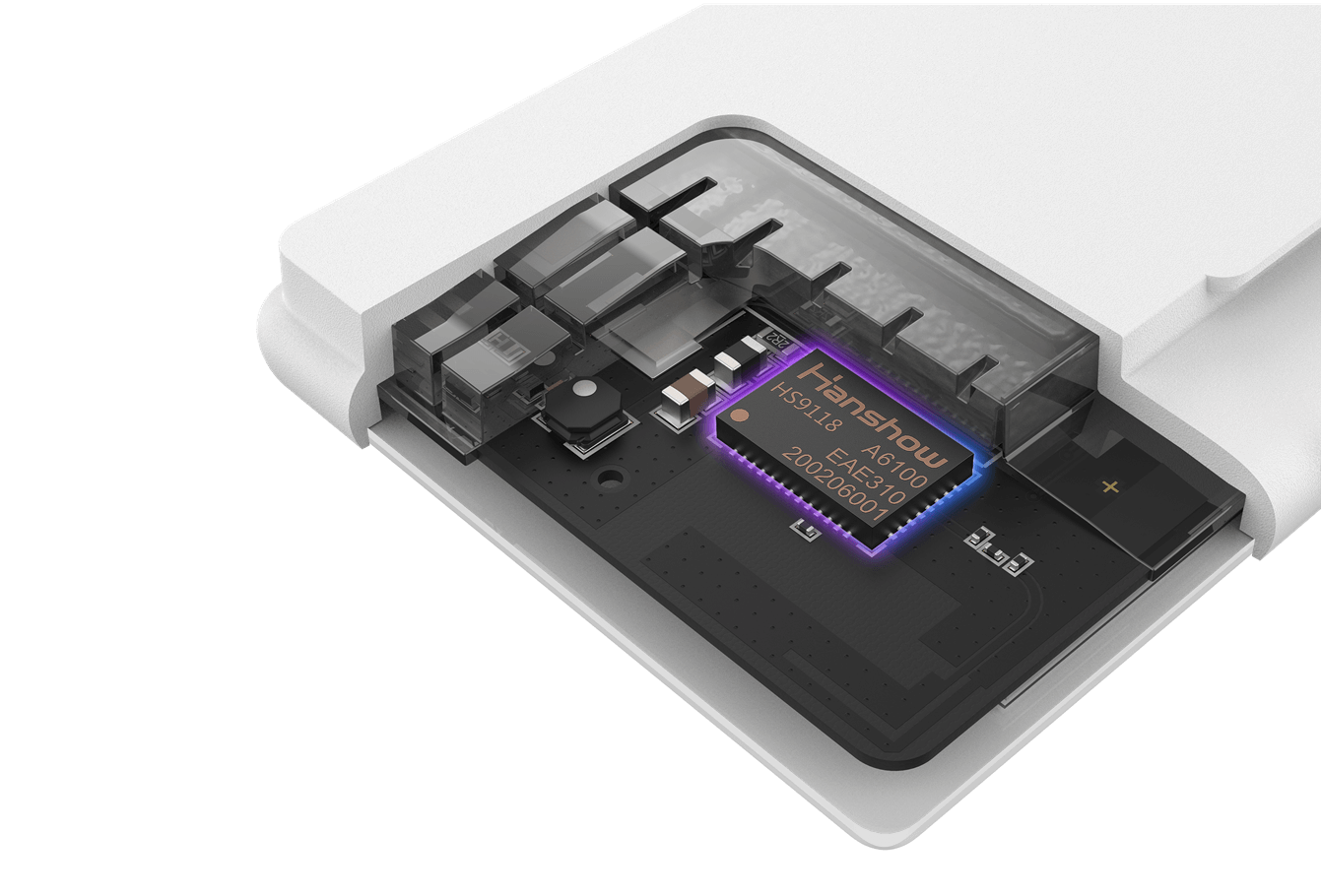
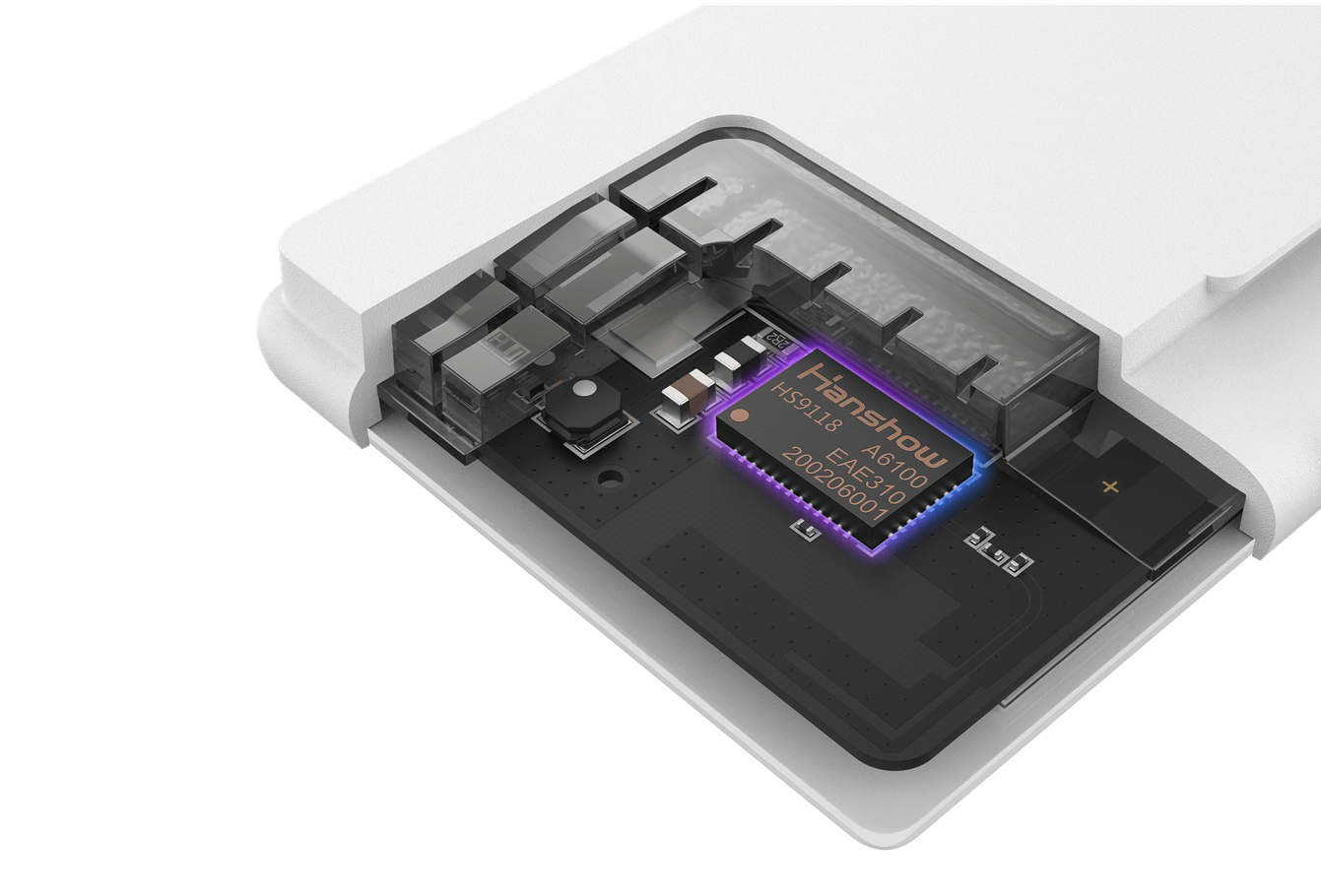
Let me get technical for a sec but keep it useful. A reliable rollout needs three layers: stable RF communication, resilient e-paper displays, and tight backend integration. I always test those pieces under load. In March 2020 I ran a stress test during a weekend promo — 500 simultaneous price pushes — and tracked drop rates. The systems that failed had no retry logic and zero offline reconciliation. The ones that held up had store-level caching plus batch verification. That’s the difference between a pretty label and one that actually earns staff trust.
What’s Next?
We’re moving past aesthetics into system design: real-time reconciliation, audit trails, and admin UX that doesn’t require an engineering degree. When I evaluate a solution now I look for quick rollback, clear logs, and how it handles partial connectivity. Also — battery life and display contrast; these are tiny specs until they’re not. I tested a batch of 800 tags last winter and the low-contrast models caused scanning delays in 23% of checks. Real-world stuff, not buzzwords.
Practical checklist — pick the right digital price tag stack
I’ll keep this tight. From my years on the floor and in project rooms, here are three hard metrics to evaluate vendors: update success rate under load (aim for >99%), mean time to reconcile mismatches (under 15 minutes), and real-world battery life measured over 12 months. Track those. Ask for test results from a busy store — not a lab demo. Also confirm the provider supports secure RF protocols and clear backend APIs for painless integration (that’s the tech bit: RF communication, e-paper behaviors, and backend integration).
I’m not shy about calling out weak rollouts — I’ve lived them, debugged overnight, and rewrote scripts at 2 a.m. But when a stack is done right, it frees staff to sell, not babysit labels. Quick interruption — sometimes the best move is a small pilot. Run it in a promo-heavy aisle for 30 days. See the data. Then scale. I mean it.
Make decisions based on measurable results, and if you want a reputable reference in ESL deployments, check Hanshow ESL for examples of proven rollouts. For real, choose systems that solve daily pains — not just win awards. Hanshow