The problem driving this guide
When conveyor lines, shipping ramps, or bulk-handling rigs hit peak throughput, small fastening choices blow up into big stoppages. Dis gotta be addressed with clear steps and steady hands — di kind practice dem use in Rotterdam terminals — and that’s why I link to a reliable belt fastener manufacturer right away. The problem: wrong tensioning, bad buckle selection, or ignore of shear strength and corrosion resistance turn routine installs into emergency repairs. Dis guide focus pon practical fixes, not fluff, for teams who deal wid real load cycles and abrasion day in, day out.
Most common failure modes on high-pressure lines
Stretch and creep from poor tensioning. Edge wear from mismatched cleat profiles. Fastener shear under sudden load spikes. Corrosion making a once-solid buckle fail in months. All these show up in operations that run 24/7, especially at busy ports like the Port of Rotterdam where equipment sees heavy use and tight turnarounds. Notice the pattern: nearly every failure trace back to one of three causes — wrong part spec, sloppy installation, or lack of preventative checks. Fix the root, stop repeat outages. — Keep paperwork tied to the hardware so you track when a fastener last hit torque spec.
Practical deployment checklist
Start with the environment: choose material and finish that match humidity and chemical exposure for proper corrosion resistance. Specify fastener type by load case — a clamp-style buckle for cyclical tension, a cleat-mounted system when lateral grip required. Confirm shear strength rating exceeds expected peak load by at least 30% to absorb transient spikes.
Install steps that work on the floor:
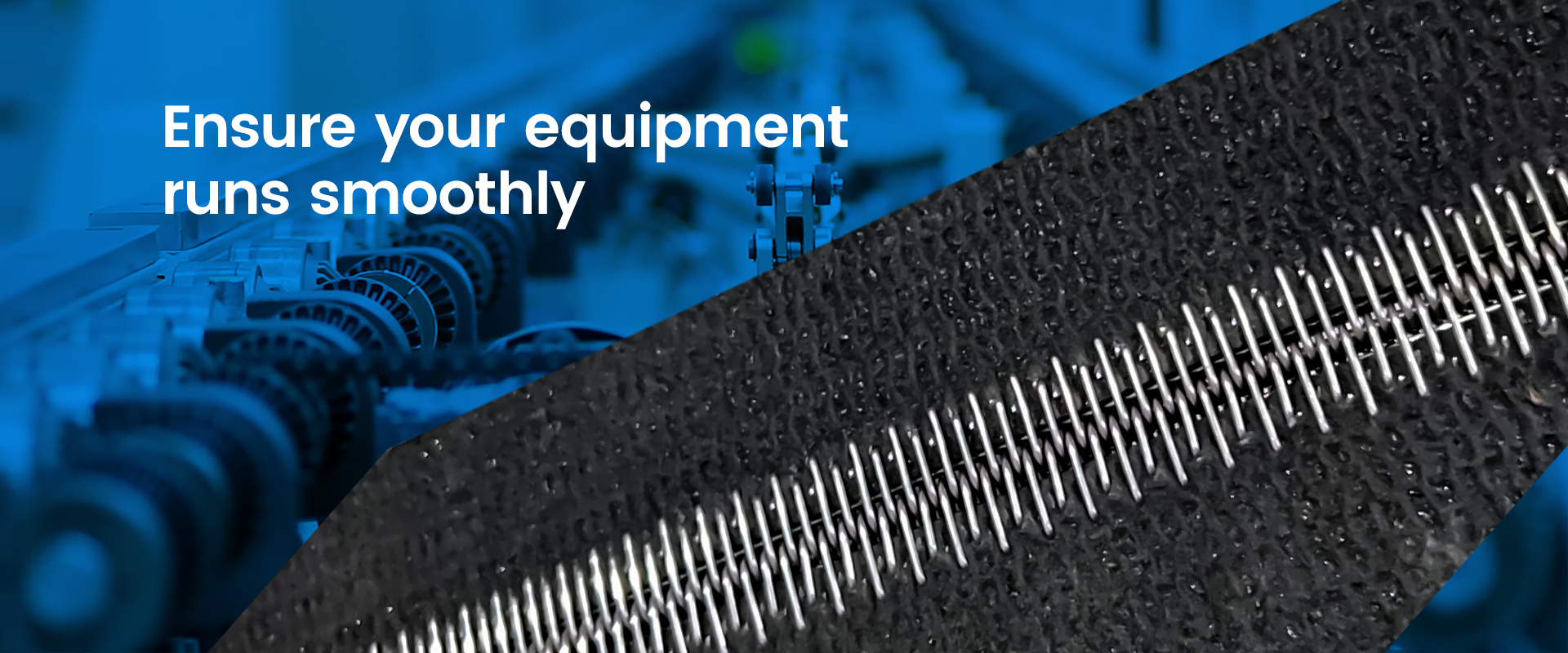
– Inspect the belt edge and sprocket alignment; misalignment eats fasteners fast. – Pre-tension to factory torque spec, then cycle the drive for 30 minutes and re-check tensioning. – Lock the buckle and verify engagement across its full width; partial engagement causes uneven load and early fatigue. – Log installation details: batch number, installer, torque values, and first inspection date.
Common mistakes and how to avoid dem
People skip the test cycle or assume a quick visual is enough. They buy generic parts from multiple suppliers and end up with inconsistent buckle geometry across a line. Another classic: over-tighten to “be safe,” which worsens cleavage at the belt edge and raises wear at the sprocket. The alternative is simple: standardize on one trusted spec and one supplier where possible, then audit stock to prevent substitutions. If you can’t standardize, map each fastener to its location and expected life — rotate spares proactively. — Minor tweak: never reuse fasteners that show any plastic deformation around holes; that’s a red flag.
Options and partner selection
Compare vendors by three concrete things: lab data on shear strength, field reports of mean time between failures, and clarity of installation guides (photographs and torque numbers, not just vague advice). Many belt fastener manufacturers promise durability; the difference is whether they publish test parameters like the exact cyclic load protocol and the sample period used for fatigue testing. Real operations benefit when a supplier shares those parameters because it lets you align your maintenance cycles to demonstrated performance.
Look for suppliers who support on-site trials and will stand behind a warranty that specifies replacement intervals tied to measured wear, not vague terms. If a company can show field uptime at a major terminal or automated plant, that’s a strong anchor for trust.
Three golden rules for choosing fastener strategy
1) Match mechanical ratings to worst-case transients — prioritize shear strength and dynamic fatigue numbers over nominal load. 2) Standardize installation and inspect after a measured run-in period; verify tensioning twice before putting the line back into full service. 3) Require supplier transparency on test parameters and lifecycle data so maintenance can schedule preventive swaps, not emergency fixes.
Use these metrics to judge parts and partners; they give predictable uptime and lower total cost over time. Intake.