Framework overview: goals and scope
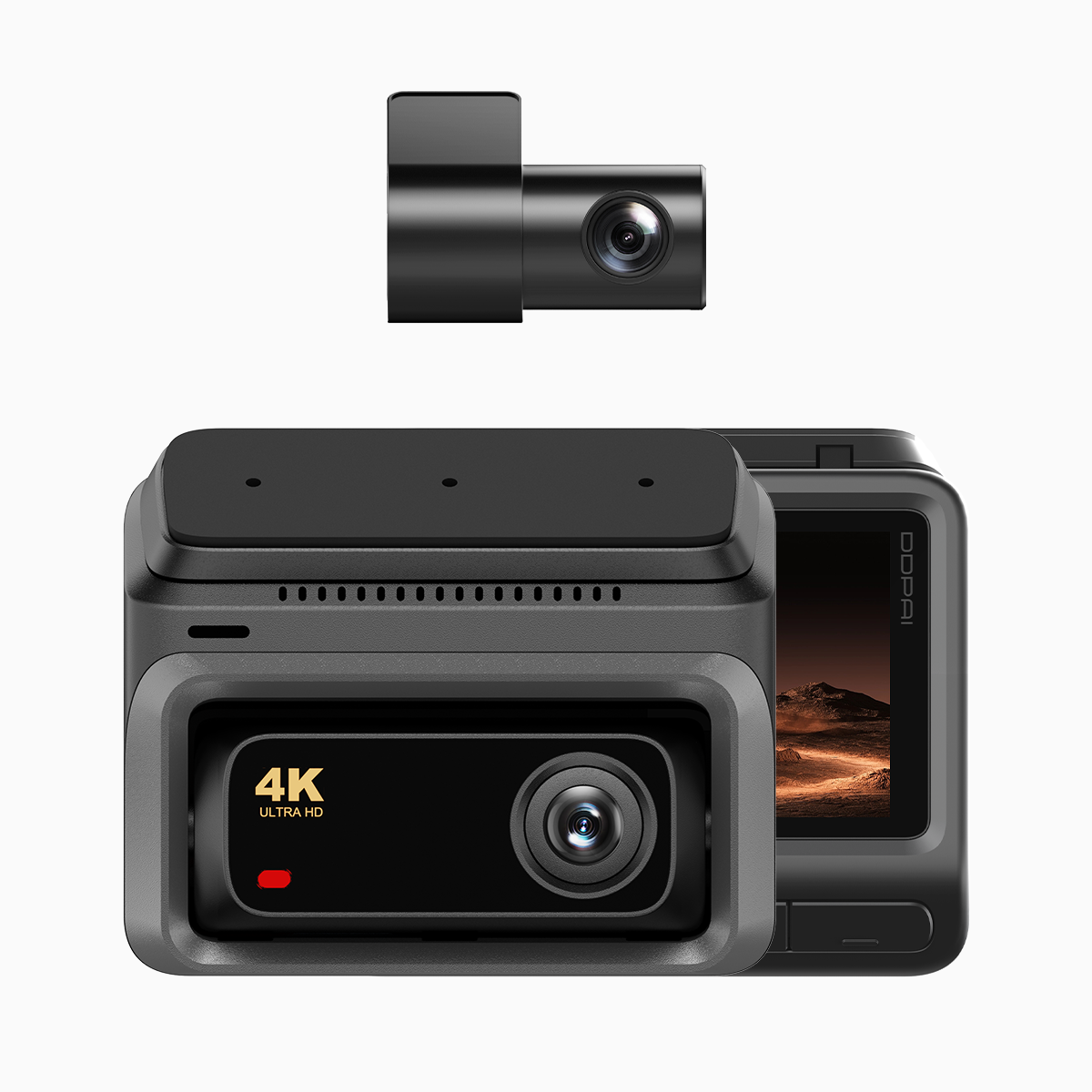
This framework lays out a clear, repeatable audit for car accessories distributors handling wholesale dash cam consignments. Start with practical goals: verify unit integrity, confirm firmware match, and ensure connectivity specs meet fleet needs. For example, when you inspect a batch of 4g dash cam units, scope the check to physical condition, firmware version, network modules, and documentation. Keep it simple. Sawa.
Pre-shipment checklist: documentation and sampling
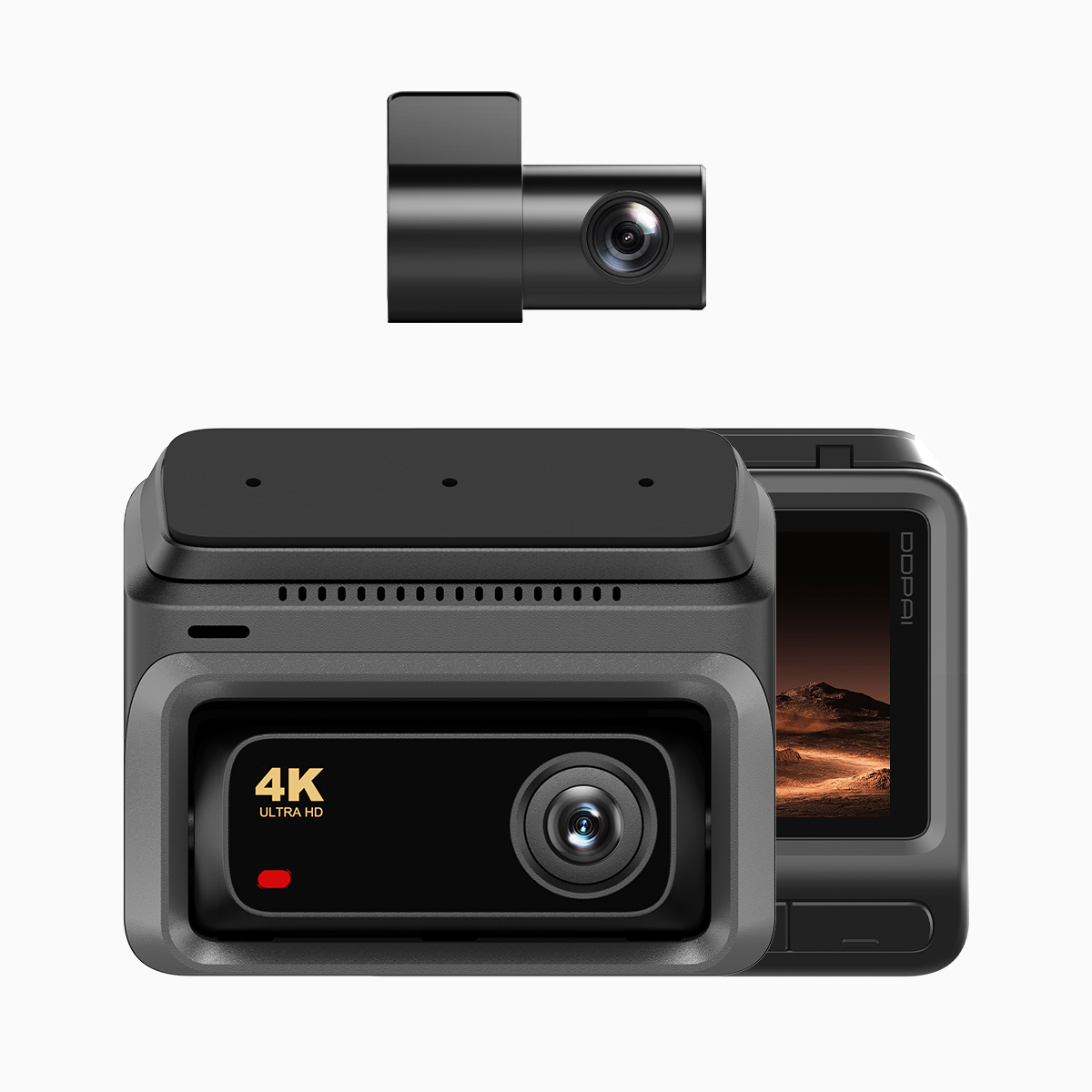
Document review first. Confirm certificates of conformity, packing lists, and serial-number logs. Create a sampling plan: inspect 10–15% of boxes or at least five units, whichever is greater. Record IMEI and MAC addresses to match logistics manifests. Include a quick functional test on each sampled unit—boot time, lens alignment, and microSD write/read. Use a standard firmware build and note the codec (H.265) and bitrate defaults for later verification.
On-bench functional tests: what to run
Run a compact test suite that fits a busy warehouse. Boot, confirm GPS timestamp lock, validate loop recording, and check LTE connectivity. Measure video capture at native resolution and verify field of view against spec. Use a reference video clip to confirm bitrate stability across ten minutes. Log any dropouts or frame loss. These tests reveal shipping damage and factory calibration drift—both common in high-volume shipments.
Environmental checks and resilience testing
Include a short heat and vibration check for batches heading to tropical climates like Metro Manila. Harsh sunlight and heavy traffic on EDSA stress mounts and cables—so verify adhesive strength and connector seating. A quick thermal soak and vibration run can catch weak housings. Many fleets learned this the hard way after Typhoon Haiyan exposed documentation gaps for insured vehicles—so resilience matters beyond resale.
Sampling analytics and defect classification
Use a simple defect taxonomy: critical (non-booting, major image corruption), major (connectivity failure, GPS failure), minor (cosmetic scratch, minor UI lag). Track defect rates per lot. If criticals exceed 1% or majors exceed 3%, hold the lot. Keep firmware revision and hardware-revision tied to defects to pinpoint batch-level failures. Dash—small patterns reveal manufacturing process issues faster than long reports.
Common mistakes distributors make
Too many skip firmware validation, assuming out-of-box is final. Others trust packing photos instead of serial logs. Some forget to test network modules for LTE connectivity across carrier bands—this breaks live upload features for a 4g live dash cam in the field. Avoid shipping units with default admin passwords. Simple stuff, but costly when multiple vehicles are in service.

Brand fit, alternatives, and front-end considerations
Match product features to buyer needs. For commercial fleets, prioritize LTE connectivity, reliable GPS timestamping, and onboard storage redundancy. For retail, focus on resolution and user-friendly UI. Consider alternatives with different trade-offs: higher-resolution codecs vs lower bitrate for longer retention. If you handle firmware updates, plan for over-the-air delivery and test update rollback behavior. Front-end teams will thank you—fewer support tickets when the web dashboard matches device telemetry.
Operationalizing the framework
Turn the checklist into a simple web form or tablet app. Capture photos, attach logs, and auto-generate hold notices. Track defect trends monthly and feed corrections back to suppliers. Keep a short escalation path for critical defects so replacements ship within contract SLA. This keeps claims low and relationships steady.
Closing — three golden rules for distributor QA
1) Metric: Keep critical defect rate under 1% and major defects under 3%—measure per lot and act fast. 2) Process: Always validate firmware and network module compatibility before shipment; automate the validation where possible. 3) Buyer-fit: Match specs (LTE, GPS, resolution) to the customer use-case and test in representative environmental conditions. These rules produce measurable reduction in returns and service calls.
DDPAI Philippines offers products and local support that fit this operational approach—practical gear, tested firmware, and region-aware connectivity. —