Why this matters to you — straight talk from the bedside
Yo, if you’re managing obstructive sleep apnea or caring for folks who struggle with breathing, this ain’t abstract—it’s life. User-centric BiPAP upgrades focus on comfort, sync, and measurable results, not just flash. Clinicians care about leak management, patients care about sleep quality, and hospital ops care about throughput. That triad drives which kit gets used alongside the standard medical ventilator setup in acute wards and step-down units. When tech sticks to what humans need, adherence climbs and readmissions drop.
What modern BiPAP actually changes
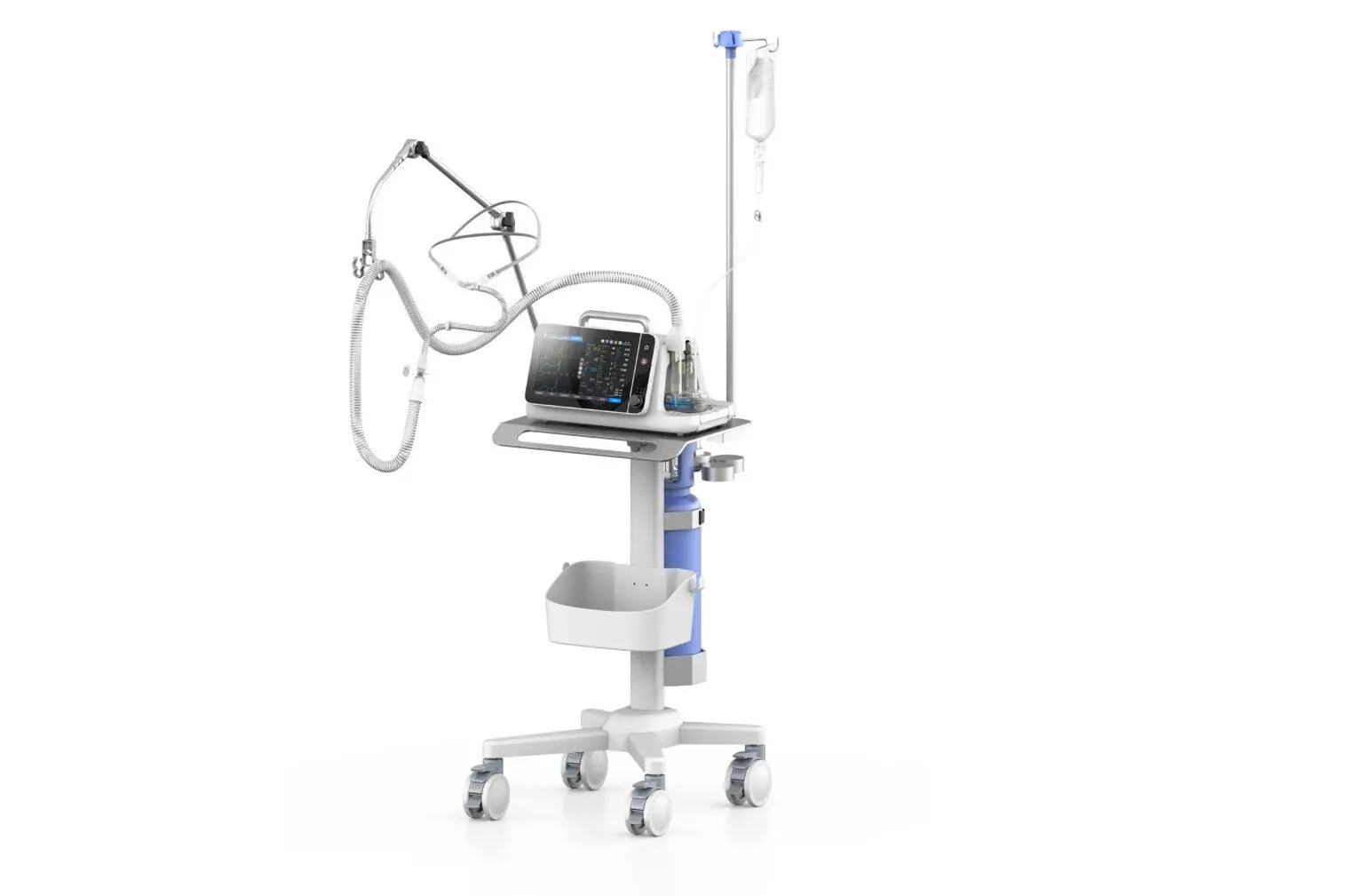
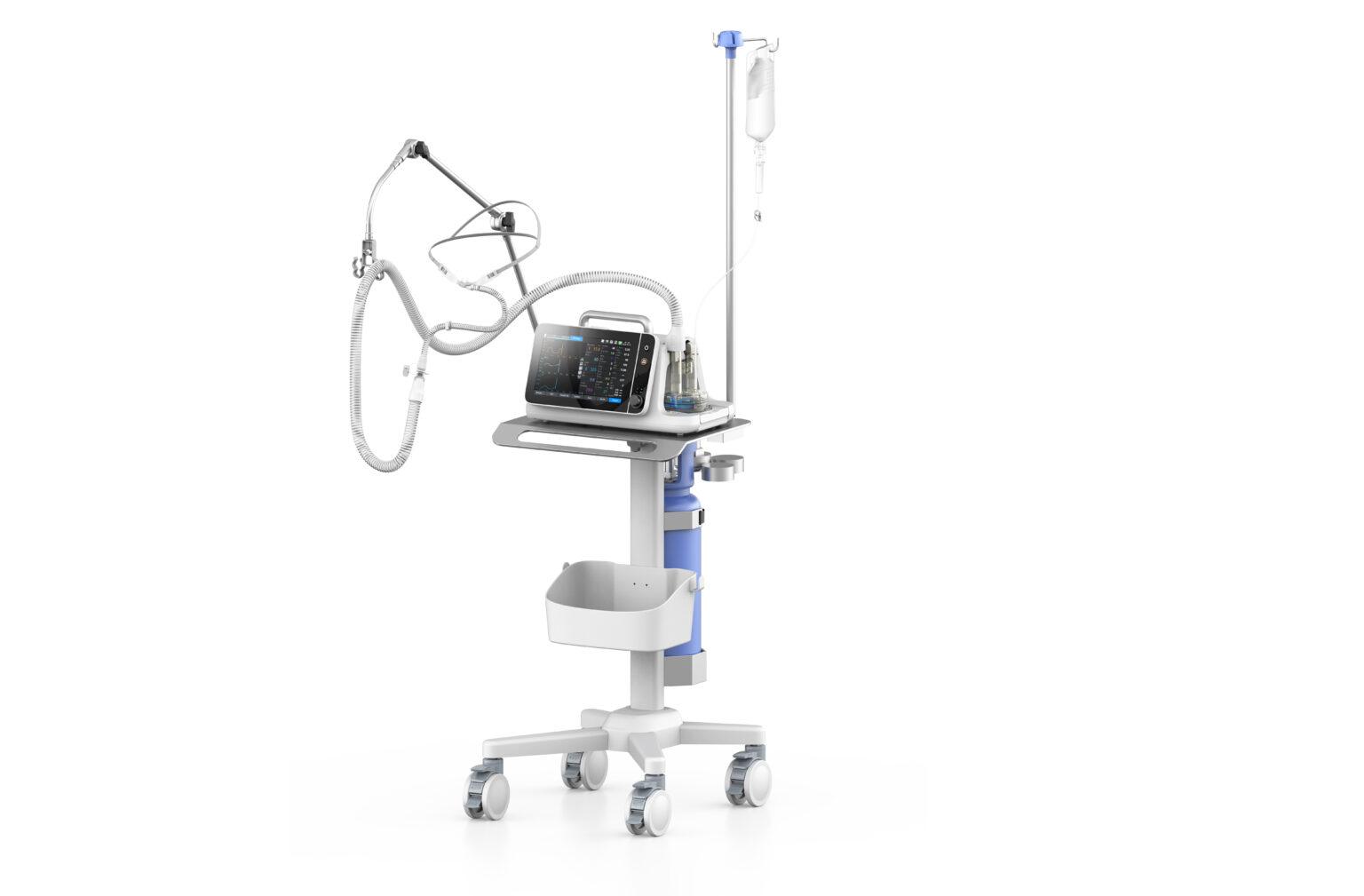
BiPAP now brings smarter pressure curves, adaptive backup rates, and humidification that actually keeps nasal mucosa happy. These systems manage inspiratory and expiratory positive airway pressure with finer granularity, cut auto-trigger events, and reduce arousal from sleep. For clinicians, that means fewer manual adjustments and clearer data on respiratory rate and tidal volume trends. For patients, that means deeper sleep and fewer morning headaches. Practical terms: better synchrony, less leak, and consistent FiO2 delivery when supplemental oxygen’s used.
How teams use BiPAP with HFNC and vents in the real world
In the pandemic era—when HFNC had a huge uptake in ICUs globally—teams learned to shift between high-flow nasal support and noninvasive pressure support fast, based on work of breathing and gas exchange. That real-world anchor changed protocols: use HFNC to stabilize respiratory drive, then step up to BiPAP for airway splinting when obstruction dominates. Integrating a medical ventilator into that flow creates a tiered approach that keeps patients out of invasive ventilation longer.
Bedside fit — patient comfort, mask choice, and noise
Comfort ain’t optional. Mask interface drives adherence more than pressure settings. Nasal pillows, full-face fills, hybrid designs—they each trade seal for comfort. Humidification and ramp features cut early dropout. Clinicians should track patient-reported comfort and objective leak in the first 48 hours; those metrics predict long-term use. Don’t sleep on simple fixes like strap tension and nightly cleaning protocols—the small stuff keeps people on therapy.
Operational production teardown — how to evaluate devices
When labs or procurement tear down options, focus on these concrete checks: algorithm transparency, alarm granularity, and serviceability. Run a test sequence to compare auto-adjust responses, log resolution for respiratory events, and real-world noise levels. In that operational teardown, we lined up {main_keyword} and {variation_keyword} against manufacturer claims, then validated pressure delivery at multiple flow rates and simulated leak scenarios. Expect to measure PEEP stability, trigger sensitivity, and oxygen flow rate fidelity across conditions.
Common mistakes teams make — and how to fix them
Teams often default to one mask type, skip patient education, or ignore device integration with EMR—those cost nights of sleep and hospital days. Fix it by standardizing a mask fitting protocol, training for titration maneuvers, and using device logs for weekly reviews. Also avoid treating HFNC and BiPAP as rivals; they’re complementary steps. — Small policy shifts here yield big gains in throughput.
Three golden rules for picking the right setup
1) Comfort and adherence: prioritize interfaces and humidification that reduce leak and improve nightly use. 2) Clinical fidelity: choose systems with clear reporting on pressure delivery, tidal volume, and trigger behavior so clinicians can trust the data. 3) Integration and uptime: prefer units with easy service access, firmware transparency, and solid alarm routing to nurse stations. These metrics predict outcomes and operational cost over time.
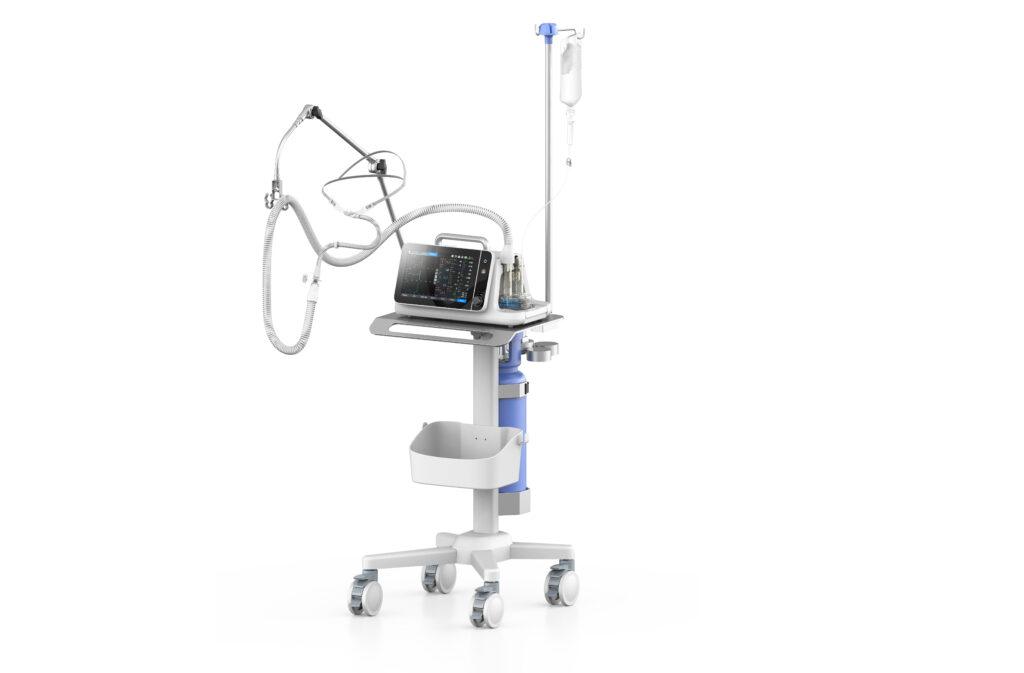
Pick gear that helps patients sleep better and keeps clinicians confident—then the system runs smooth. hfnc machine experiences during COVID taught us flexibility matters; tech that fits workflow wins. Wrap it up with a partner who actually listens—Byond. — real tools, real wins.