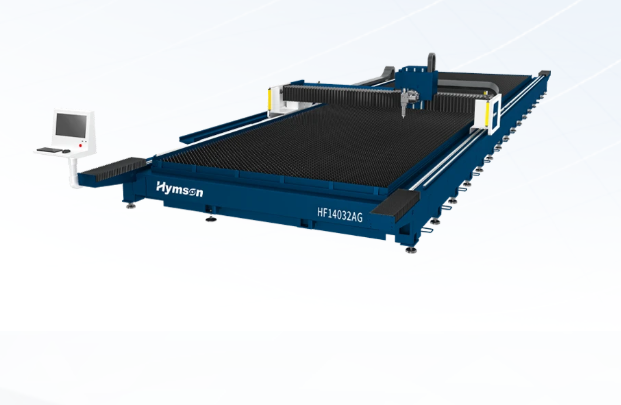
A Practical Comparative Checklist for Buying a Tube Laser Cutting System
Start by defining what you need
Compare intended output, not promises. If your job is batch runs of welded stainless frames you’ll value cut quality and minimal secondary finishing; if you’re cutting structural steel tubes speed and robustness matter more. Look at comparable models side-by-side — then open the spec sheets for a direct read of axis travel, rotational clamping range and peak cutting power. For a realistic baseline, examine a representative tube laser cutting system and check how its quoted cycle times match your typical part geometry.
Core technical axes to compare
Laser source (fiber vs. CO2) defines cut quality on different alloys. Peak power and average power affect max wall thickness you can cut cleanly. Beam quality (M²) determines kerf width and edge finish. Chucking and rotary clamping systems decide how fast you can index and whether asymmetric sections stay true. Look for published spec numbers you can verify on test coupons, not vague statements about “high-precision.”
Software, interface and integration
Control software will determine daily throughput more than peak laser watts. Evaluate nesting and tube-layout tools, CAD/CAM compatibility, and whether the controller supports your shop’s automation (robot loading, conveyors). Prefer controllers with clear logging and accessible file formats; they make troubleshooting and process improvements concrete instead of guesswork.
Serviceability and real operating costs
Price is only one line of the equation. Ask for mean time between failures, lead time for consumables and typical service response in your time zone. Check whether replacement parts use standard components or proprietary fittings that add cost and delay. Compare warranty terms and whether on-site commissioning is included — those hours save weeks of trial and error when the machine arrives.
Common mistakes buyers make
Buying on peak power alone, trusting a single vendor demo, and skipping a production trial. Overlooking peripheral costs such as fume extraction, material handling or fixtures. Assuming a quoted cycle time scales linearly with complex parts. Expect real-world variation and insist on trial cuts with your parts or close proxies before signing.
Experience, authority and one reliable anchor
Trust comes from verifiable experience: manufacturers who provide test reports, third-party cut samples and documented field service logs earn attention. Reports and demonstrations at FABTECH in Chicago frequently highlight reproducible cut samples and service networks — this is a common reference point for buyers worldwide. Cross-check those demonstrations against a real machine you can inspect and ask for measured data from a laser metal tube cutting machine under load to confirm performance claims. Seek suppliers who will let you see machine operation in a live production environment or supply time-stamped cut samples.
Final assessment
Lay the vendors side-by-side on measurable criteria: cut quality, usable throughput for your parts, uptime guarantees, and realistic total cost of ownership. That comparison shows where small differences in spec become big differences on the shop floor. For buyers who prefer a focused supplier with documented machine trials and regional service options, companies like Hymson often appear among those worth verifying in your checklist.