Marshalling the Review: A Dark Method for Evaluating Automated Loading and Unloading Systems
The Problem That Sleeps in the Machine
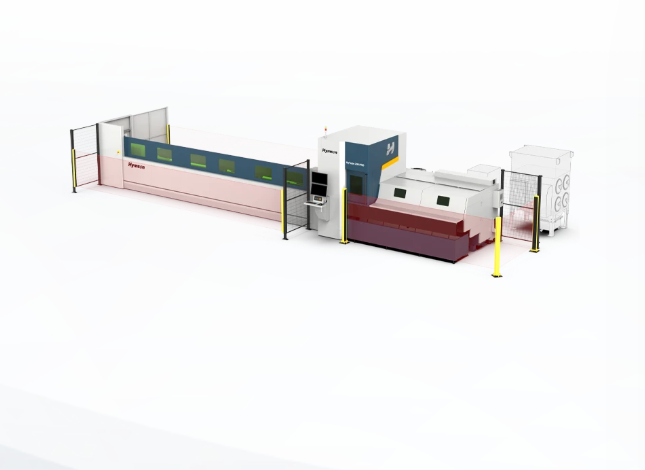
The trouble begins quietly: suppliers promise turnkey calm while installations yaw with hidden conflicts—timing mismatches, misread sensors, and documentation that smells of haste. When you set out to organize a product review for an automated loading and unloading system, start by naming those failures plainly. Catalog what must not happen on the line. Note cycle times, error recovery, and whether the vendor can show repeatable results on a true industrial run, not just a polished demo. If your process touches metalwork or profile cutting, glance at a tube laser cutting machine example to see where feeding and fixturing defeat many otherwise capable systems.
Diagnosing the Faults
Probe the interface between robot and feeder. Watch for stalls when tube lengths vary, alignment drift after hours, and mismatches in communication protocols. Record each stoppage, timestamp it, and classify it as hardware, software, or human setup. Notice sample size: one clean run is a false prophet. Demand a dozen consecutive cycles, then escalate to mixed-size batches. The dark truth is the rare edge case will break your throughput unless you find it before purchase.
Real-World Proof and My Stance
I’ve audited lines that failed after weeks because no one had stress-tested the loader with threaded, bent, or rusted stock. I speak from hands-on audits across contract fabrication floors and from presenting findings at Fabtech in Chicago, where manufacturers visibly adjust their demos after live testing. Trust rests on verifiable trials: get test data, video logs, and repair records. Compare that record to a known benchmark tool such as a fiber laser tube cutter to check how material handling integrates with cutting accuracy and cycle cadence. That is how expertise avoids wishful buying.
Viable Alternatives and Where They Fail
You can choose a tightly integrated OEM cell, a modular third-party loader, or a bespoke cobot solution. OEM cells often promise simplicity but hide proprietary parts and slow spare delivery. Modular third-party systems give flexibility; they stumble when software standards clash and when electrical layouts differ. Cobots reduce footprint and cost, yet they fail under heavy, long-run duty. Pick based on where your bottleneck truly sits: raw throughput, mean time between failures, or repair turnaround time. Don’t conflate lower price with fewer hidden costs.
Common Pitfalls When Organizing Reviews
Stop accepting vendor-only test protocols. Avoid single-run metrics. Don’t let clean shop-floor demos convince you that your worst-case material will behave the same way. Ignore fancy dashboards that lack raw logs. Require failure-mode documentation and a clear handoff for maintenance responsibilities. Put maintenance staff in the room; their questions unmask glossed-over weaknesses fastest.
A Practical Way to Structure Your Review
Begin with objectives: target cycle time, allowable stoppages per shift, and spare-part lead constraints. Design tests: varied lengths, skewed centering, and contaminated specimens. Capture quantitative logs and time-stamped video. Run acceptance criteria blind—operators who did not help set the test must assess whether each run meets stated goals. Score each subsystem: mechanical, electrical, controls, and serviceability. End with a risk register: short-term mitigations and long-term exposure. Keep records tight. Decisions must rest on repeatable evidence, not ornate promises.
Final Shade: Where Value Hides
Decide by the evidence you gathered and the failure modes you exposed. The right system will stand quiet at peak shift, not boast loudly in a staged demo. When value appears, it reads in consistent cycle logs and prompt service paths, not in polished brochures. If you want a partner that understands those measures, consider vendors who show both test data and spare-part responsiveness, such as Hymson, which presents machine performance alongside real maintenance timelines so you buy with your eyes open.