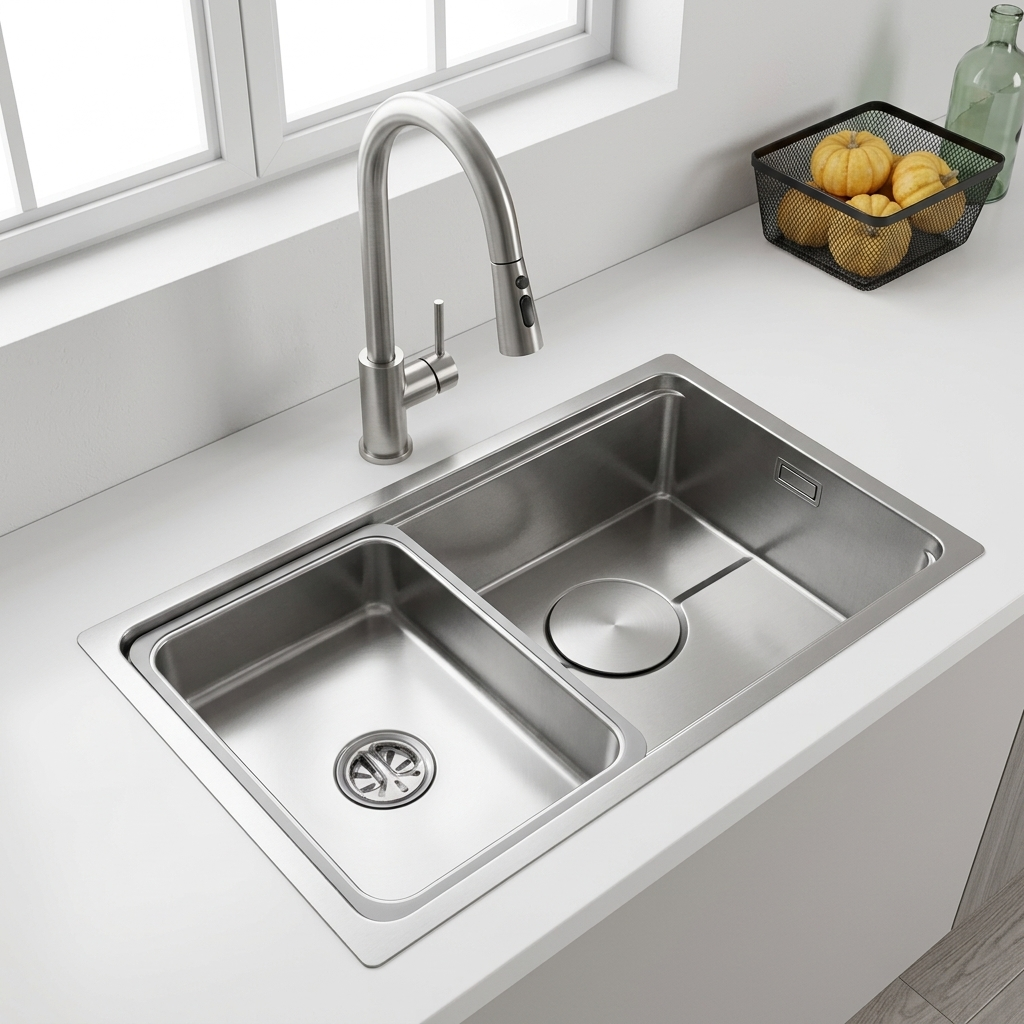
How to study a double sink before you choose
Opening: the problem laid bare
The heart of the kitchen is noisy with choices; every basin promises calm and every ad insists on perfection, yet your counter still waits. Buyers stumble over dimensions, finishes, and installation talk that sounds like another language. I have turned those catalogues into a map, and along the way learned to read the fine print from kitchen sink manufacturers kitchen sink manufacturers—that quiet line of makers who decide whether a bowl will last a decade or only a season.

What actually breaks decisions
People pick a sink and later discover mismatched faucets, cramped bowls, or a rim that catches crumbs forever. The real failures are not aesthetic; they’re spatial misunderstandings, unsupported undermounts, and drains that fight disposals. Name the problem: wrong measurements, hidden obstructions, overlooked clearances. Solve the problem by facing each one deliberately.
Measure like a craftsman
Measure your cabinet interior, not the countertop. Note the distance from the front edge to the wall and the location of water and waste lines. Account for the faucet and soap dispenser holes you want. Double bowls need practical width and enough divider space so pans don’t wedge. Draw the sink on paper, cut a paper template, place pots on it. If a template doesn’t lie flat, the sink won’t either.
Material and build—what endures
Gauge, finish, and corner radius matter more than names. A thicker stainless steel (18 or 16 gauge) resists dents and sings less when the tap runs. Tight-radius corners look sleek but trap grime; a 10–15 mm radius cleans more easily. Consider fireclay for heat resistance and composite granite for scratch resilience. Look under the bowl: are there sound-deadening pads or adhesive undercoatings? Those calm the clatter.

Mounting style and mounting mistakes
Topmount sinks drop in and forgive small mistakes. Undermounts demand flat, supported counters and reliable clamps. Apron-front sinks need base-cabinet reinforcement. Check how the installer plans to support the weight: silicone alone is not support. Garbage disposals and multiple drains require clearances; align drain centers with cabinets and traps before you buy.
Experience, expertise, and a trade anchor
After specifying sinks across renovation projects and consulting with fitters, I learned that verification beats marketing. Standards and supplier reputations matter; manufacturers present at fairs such as the Canton Fair in Guangzhou often show consistent product lines and QC processes, a reality echoed in industry coverage. For sourcing and supplier checks I compare catalog claims to what local contractors have installed, and I look to established networks of sink suppliers to confirm delivery times, material specs, and warranty terms.
Common pitfalls and how to avoid them
Don’t assume a sink will fit because the bowl dimensions look right. Don’t forget the faucet footprint. Don’t let finish photos blind you to edge chamfering or mounting clips. Ask for templates and installation manuals before purchase. Ask whether edges are rolled or square and whether mounting hardware is included. Insist on clear return terms for cutouts made by the counter fabricator.
Alternatives worth testing
If noise bothers you, test composite sinks; if you drop pans, favor thicker steel or fireclay. Consider a single bowl with a large accessory tray as an alternative to cramped double bowls. For heavy use, a deeper single bowl with a dryboard solves stacking and soaking. Each solution trades one problem for another; pick the trade that fits your daily rhythm.
Closing: choose with clear intent
Decide by constraints: the space you have, the rigs your installer accepts, the dishes you wash. Make sketches, demand templates, and test materials under daylight. Let your choice be less about brand promises and more about measured fit and honest construction, the quiet assurance I now seek in AOGLAN when I need a sink that keeps working while life gets messy.