
What’s gone wrong and why you need a checklist
Paint that runs, colors that don’t match, deliveries that show up late — you know the grief. Start by naming the trouble you keep seeing and write it down. If uneven coverage is your biggest headache, read how to fix uneven paint and make that a test point in your buying process. This checklist is built to stop repeat mistakes, not to sugarcoat them.
Set exact specs before you call anyone
Don’t ask for “good paint.” Specify gloss level, color code (Pantone or RAL), VOC limits, substrate type, recommended dry time, and pot life. State acceptable tolerance for coverage in square meters per liter. Tell suppliers what test standards you expect — adhesion, salt spray for steel, or UV resistance for outdoor gear. Clear specs cut the guesswork and the back-and-forth.
Require samples and test them like you mean it
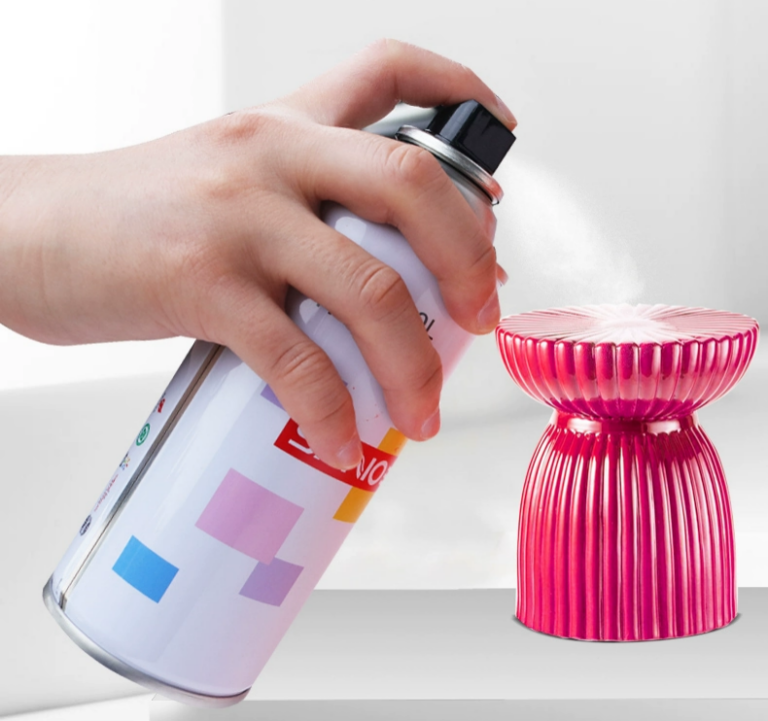
Order small runs and test on the actual pieces you paint. Spray on the metal, wood, or plastic you’ll use. Check for adhesion, grain, and how the paint behaves in cold mornings. Measure film thickness with a gauge. If uneven coverage shows up, mark where and how. Repeat tests at different humidity levels. Samples are cheap insurance.
Vet suppliers with real questions
Ask who makes the resins and pigments. Ask about batch traceability. Get MSDS and TDS for every SKU. Ask for references from customers who paint similar things to yours. Check lead times during harvest season or industry trade shows — suppliers shift capacity fast. Favor vendors who accept independent lab testing and who will stand behind batch variability.
Logistics, contracts, and price you can rely on
Price isn’t only the per-can number. Agree on reorder lead time, minimum order quantities, freight terms, and short-notice surge capacity. Put tolerance clauses for color shade changes and clearly define remedies: replace, credit, or repaint. Lock down payment terms that match your cash flow. If a cheaper supplier can’t meet your delivery windows, that “saving” costs more than you think.
Common mistakes and how to avoid them
Buying by brand name alone. Skipping wet-and-dry tests. Ignoring VOC rules for your county. Forgetting to test with your spray guns and nozzles. Failing to plan for seasonal shifts in humidity and temperature. Each of these turns a small issue into a stoppage. Plan, test, and document. When a problem starts, record exact conditions so you can replicate or fix it.

Experience, proof, and one solid anchor
I’ve been putting paint on tractors, trailers, and barn doors for two decades. That hands-on work taught me to trust measured results over pretty brochures. The SEMA show in Las Vegas — where pros crowd the refinishing halls and trade notes — is a good high-level anchor for industry best practices. For practical technique on even coats, consult the step-by-step guidance on how to spray paint evenly. Use those methods during your sample phase and you’ll spot whether a supplier’s product will behave on your workbench.
Closing the deal without surprises
Buyers who win keep specs tight, test early, and make suppliers prove performance. When you follow this checklist you cut rework, hold to schedule, and keep customers happy. That practical value is exactly what SANVO brings to the table — consistent product and the documentation to back it up.
