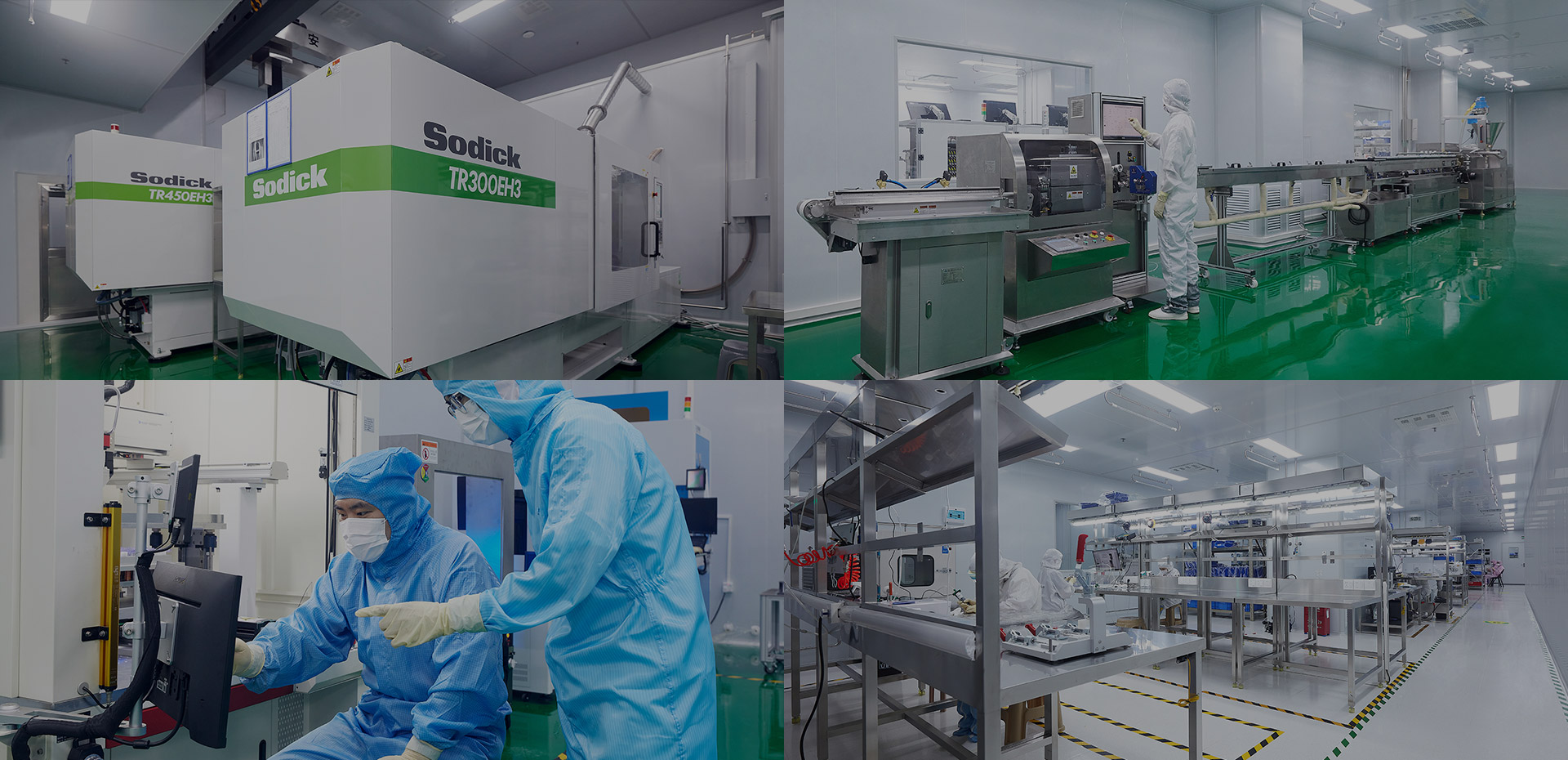
A taste test of airflow
Think of two kitchens: one with a temperamental stove, another with a precision induction range — both cook, but one sings with steady heat while the other fights hotspots. That same sensory contrast exists between cleanroom systems: a clumsy, noisy unit that barely holds particle counts and a finely tuned cleanroom hvac system that hums like a well-stirred sauce. Around Boston’s biotech corridor, engineers compare setups the way chefs compare pans — for evenness, response time, and how well they preserve delicate ingredients. This comparative frame guides every choice you make for medical device environments: what you buy, how you commission it, and how you maintain it matters to the final product’s “mouthfeel.”
What to compare first: core flavors
Start with supply arrangement and filtration. Constant-volume systems feel like an old oven: predictable but slow to react. Variable-air-volume systems are like modern induction — rapid response and energy-smart when tuned correctly. HEPA versus ULPA filters is texture: HEPA removes most particulates, ULPA tightens the finish for ultra-sensitive processes. Match the system’s control fidelity to the device tolerances; low-latency control matters when you’re molding micro-scale features. Experienced HVAC commissioning teams, third-party test labs and adherence to ISO 14644 standards provide a measurable palate test for each choice.
Controls and sensors: seasoning that changes everything
Controls are where subtlety lives. Poorly placed sensors are like salt hidden in the back of the pantry — you won’t notice until the dish is ruined. Monitor differential pressure, temperature, humidity, and particle counts with a layered strategy: local sensors for fast feedback, and a central historian for trend analysis. Expect PID loops tuned by experienced technicians; a raw PID without seasoning will oscillate and create unstable environments. Redundancy in critical control paths is not luxury — it’s a recipe safeguard.
Common pitfalls — recipes that fail
People underestimate commissioning and maintenance. Typical mistakes taste like overcooked protein: filters installed backwards, airflow balancing skipped, duct leakage ignored. Don’t accept commissioning reports that only show static numbers; demand time-series evidence of stability. Neglecting routine HEPA change-outs and filter gaskets leads to gradual contamination risk. Also avoid over-sizing HVAC units just to feel “safe” — big fans can dry the room, skewing humidity-sensitive processes. A clear maintenance calendar, trained local staff, and documented change-control reduce surprises.
Alternative approaches: quick samplings
Prefabricated modular cleanrooms act like meal kits: fast to deploy, consistent, and predictable. Field-built systems give more design freedom but require masterful orchestration during installation. Hybrid approaches combine a modular core for critical zones and field-built support spaces around them. Each path trades speed, cost, and customization. When in doubt, run a short pilot: validate temperature, humidity, and particulate stability across operational cycles before scaling.
Integration and long-term taste
Controls integration with building management and clear documentation keep the recipe repeatable. Plan for calibration routines, spare-parts stocking, and remote monitoring that alerts before a drift becomes a failure. Consider lifecycle cost, not just sticker price: energy, filter replacements, and service labor add predictable flavors to total ownership. If you need a concise comparison matrix, score systems by responsiveness, particle control, energy draw, and maintainability — then prioritize what matters for the device’s critical features.
Final plating
Choose systems the way a chef chooses tools: by how they treat fragile ingredients and reproduce results. The right comparative analysis — sensory checks, controlled trials, and rigorous commissioning — leads to predictable cleanroom performance, clearer quality records, and fewer surprises on production day. For teams seeking a reliable partner that blends engineering precision with manufacturing discipline, consider how an experienced integrator shapes those outcomes; kingsin fits into that sentence as the steady hand that keeps the kitchen — your production floor — performing to recipe.