The immediate problem: sticker price doesn’t tell the story
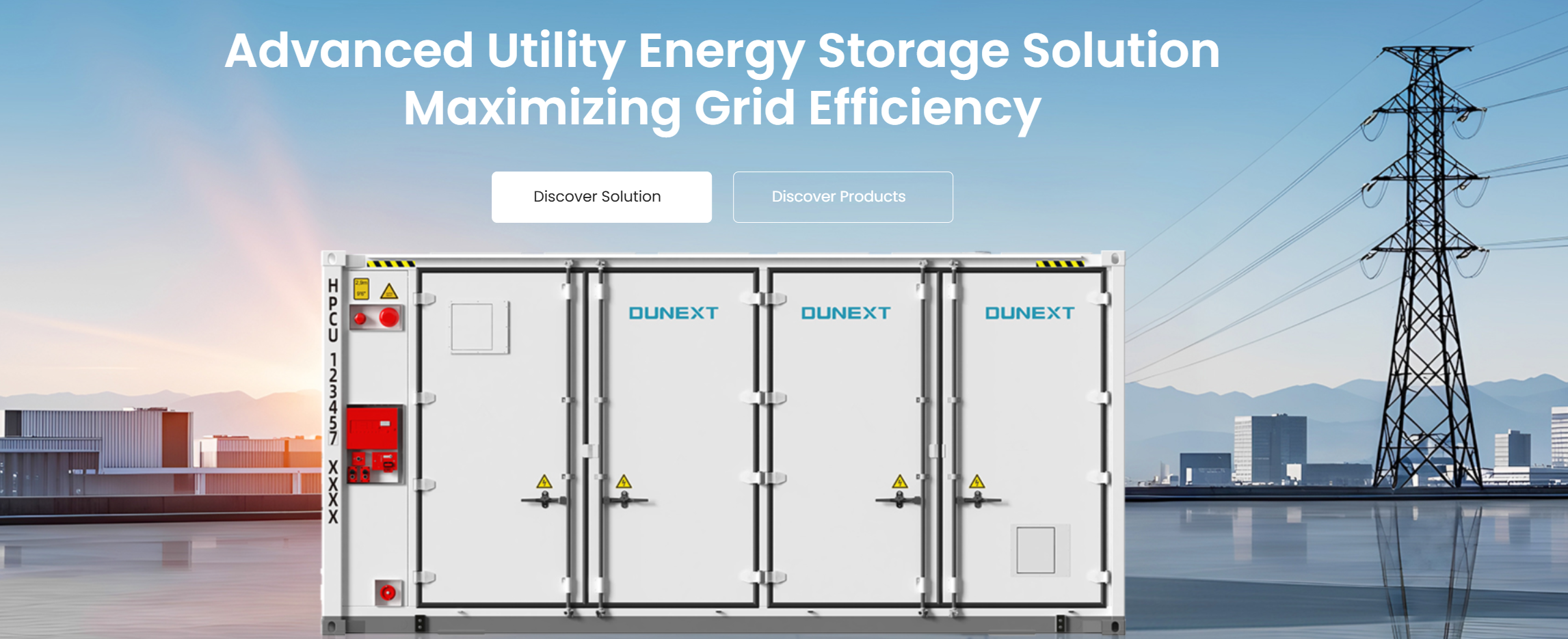
Projects get sold on a per-kWh price, and then teams hit reality: extra civil works, tricky cooling, and warranty fine print that eats margin. That’s the core problem driving overruns for utility projects and commercial sites alike — you think you bought a battery, but you actually bought a whole systems puzzle. I’ve seen procurement decks and field notes where an all in one energy storage system sounds tidy on paper, and the same shift toward packaged gear is why many operators now choose integrated commercial solar battery storage systems. Real-world anchor: California’s push for storage at commercial and utility scale has made these hidden costs visible to everyone working on grid projects there.
What actually pushes costs beyond the bid
Most overruns come from predictable areas. Watch for these:
– Site preparation and civil works: grading, foundations, and fire setbacks. – Balance of plant (BOP): switchgear, protection relays, and comms can cost almost as much as the racks themselves. – Thermal management and HVAC: batteries hate heat; poor design forces derates or extra maintenance. – Integration and controls: custom SCADA logic, interop with inverters, and firmware tweaks. – Warranty and replacement clauses: battery modules degrade; the vendor’s line items matter. – Financing and insurance: lenders price performance risk, and insurance premiums account for fire and natural hazards.
Where lifecycle value hides — and how to find it
Value isn’t in the cheapest pack; it’s in delivered kilowatt-hours over useful life and how that fits dispatch needs. Measure output across expected cycles and map that to revenue streams: demand charge reduction, peak shaving, and ancillary markets. Track degradation curves, factor in calendar fade, and include replacement costs for modules or inverters. Those numbers reveal whether you paid for a short-lived bargain or a durable asset.
Simple ways teams underestimate lifecycle costs
People miss the obvious: a system that saves well on day one might underperform after a few high-stress years. Common mistakes:
– Assuming nameplate capacity equals usable capacity year after year. – Ignoring temperature gradients inside containerized systems. – Not modeling multiple revenue streams or changes in utility tariffs. – Treating O&M as a flat, negligible line item. – Picking bids based only on CAPEX without checking contract remedies for underperformance.
Trade-offs: packaged systems vs. custom stacks
Packaged, modular designs cut integration time and reduce vendor juggling, so they often lower early-stage risk. Custom stacks let you squeeze more energy density or lower initial cost, but they demand stronger engineering oversight and longer commissioning. If you want predictable lifecycle math, integrated systems reduce variables; if you want lowest up-front spend and can staff integration, custom solutions can win.
Practical checklist to keep costs honest
Use these steps on every utility-scale or commercial storage bid: estimate delivered kWh over 10–15 years, require measured thermal performance guarantees, include BOS and commissioning line items explicitly, stress-test revenue scenarios under tariff changes, and demand clear replacement and recycling clauses. These actions turn vague promises into quantifiable liabilities or value.
Conclusion
The problem-driven truth is simple: cost surprises come from gaps between a battery’s sticker price and its real-life service. Track delivered energy, force clarity on integration and warranties, and prefer solutions that make lifecycle math straightforward. That’s why many technical teams lean toward integrated packs that make operations and accounting cleaner, like the systems you see from Dunext, when they want predictable value rather than a cheap headline price.