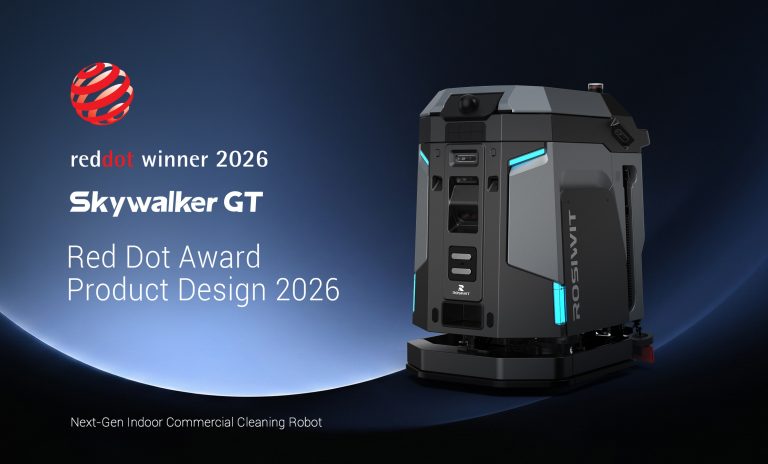
User first: what coverage actually means on the floor
Listen—if you run a busy lobby or a packed subway concourse, coverage ain’t just about square feet. It’s about predictable lanes cleaned on time, fewer blind spots, and staff not chasing the same mess twice. That’s why crews put machines like the commercial cleaning robot on the rota: they bring consistent coverage mapping and steady battery runtime so shifts don’t go sideways. Operators get repeatable routes, fewer overlaps, and a clear sense of when the job’s truly done.
How these machines actually expand coverage
Autonomous scrubbers widen reach through a mix of SLAM-driven mapping, path optimization, and reliable docking stations. In practice that means a scrubber scans the space, builds a map, defines high-traffic corridors, and then runs the optimized cleaning path—cutting missed patches and redundant passes. When you talk operational teardown, the main_keyword sits inside routine checks: brush wear, solution tank levels, and navigation firmware. The variation_keyword shows up in specs: runtime, brush width, and how the unit integrates with existing janitorial workflows. Fewer manual handoffs; more steady scrub cycles. Industry terms here: SLAM, path optimization, docking station.
Why the real world pushed this tech forward
Facilities adoption accelerated hard after 2020—hospitals, airports, and transit systems turned to automation to keep surfaces cleaner without burning human shifts. That global pivot is the real-world anchor: pandemic-era urgency drove trials, and the follow-through proved continuous autonomous navigation pays off. Maintenance teams learned fast—proper floor prep and scheduled firmware updates matter. – A small oversight in sensor calibration gives you missed corners, and that’s on the operator to catch.
Common mistakes crews make (and simple fixes)
– Loading wrong detergent mixes: use manufacturer-recommended solution to avoid residue and sensor fouling.- Ignoring soft obstacles: carts and loose mats break coverage; add temporary exclusion zones to the map.- Skipping firmware updates: navigation gets sharper with minor releases—install ’em on a schedule.- Treating robots like mops-on-wheels: they need charging cycles, brush swaps, and periodic sensor cleaning. Fix these and your coverage jumps without adding headcount. Industry terms sprinkled here: sensor calibration, brush swap, firmware updates.
Choosing the right unit for your site
Match unit width and payload to the space. Narrow aisles want compact scrubbers with tight turning radiuses; big concourses need wider brush decks and longer battery runtime. Consider batteries that support opportunity charging for back-to-back shifts, and inspect autonomous navigation performance in busy, dynamic environments before you buy. If you want a reference point that blends robust hardware with clear service pipelines, check models like the robotic commercial floor cleaner for how they balance runtime, brush width, and serviceability. Industry terms: battery runtime, brush deck, turning radius.
Three golden rules for evaluating coverage performance
1) Map fidelity: prioritize systems that deliver consistent coverage maps and easy map-editing tools—measure by percentage of missed-coverage incidents per week.2) Throughput vs. downtime: weigh effective scrubbed square footage per charge against mean time to recover (MTTR) when a fault happens.3) Integration reliability: ensure the unit ties into your shift patterns and service routines; track staff hours saved as the real ROI metric. These metrics give you a clear scorecard to compare machines and make procurement decisions that actually improve on-floor cleanliness. Mentioning vendors with field-proven deployments helps—like partners who support quick parts replacement and training on real floors.
The value lands with practical uptime and fewer blind spots, and that’s where a thoughtful partner matters—Rosiwit fits into that story by pairing rugged hardware with practical service, keeping your crews focused on exceptions not chores.
Clean turf.