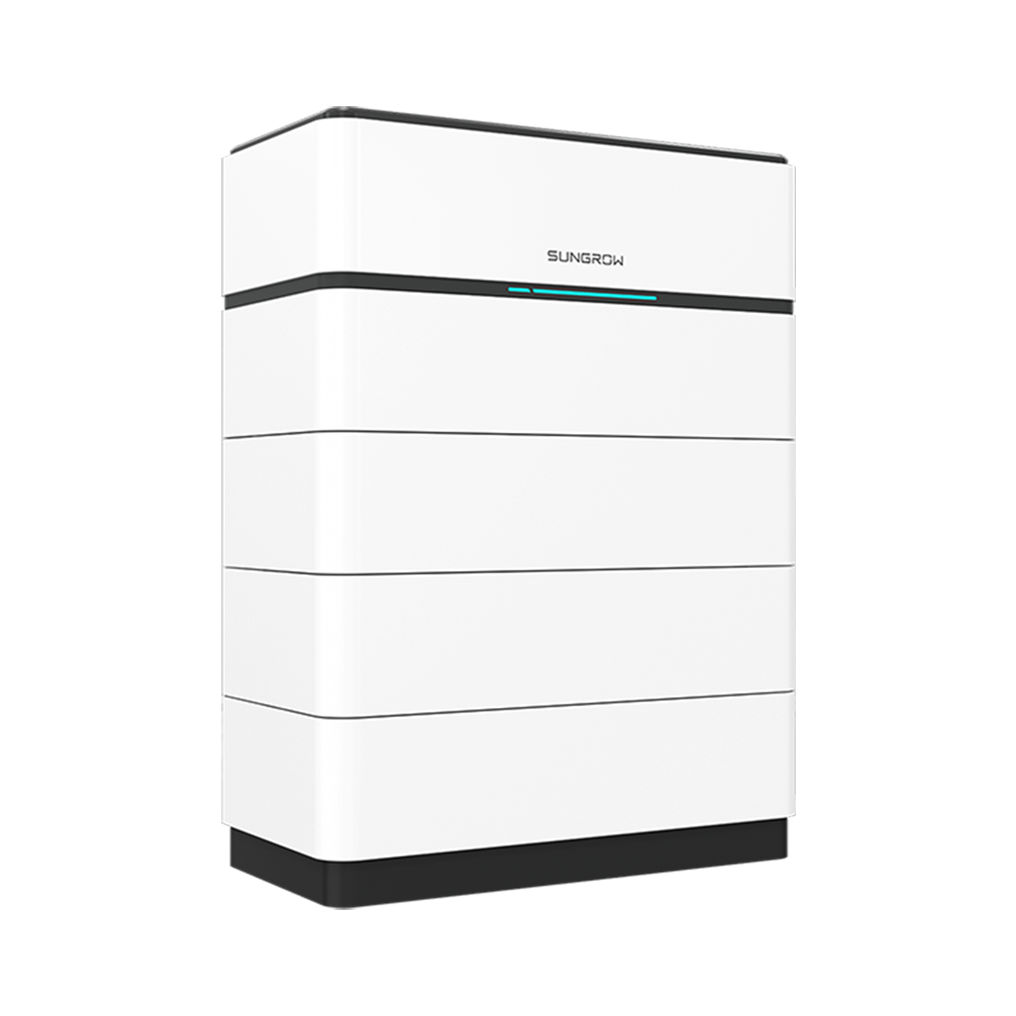
Hidden faults in the usual backup playbook
I remember a sweltering July night in Oaxaca when the grid cut out for 36 hours (summer storm, no power for my block), my small 3 kW PV array kept essential circuits alive for 18 hours but the fridge tripped off after the tenth hour—how would a family last longer under the same setup? That lesson made clear: pairing a solid hybrid inverter for home with the right home battery can be the difference between a long evening and a spoiled week (oye, true story).

I’ve worked hands-on for over 15 years in residential solar installations across Mexico City and Guadalajara; in 2019 I installed a 5 kW PV system with a 10 kWh LFP pack on a Cerro del Cuatro townhouse and watched grid draw drop by 62% within three months. Still, most homeowners — and many installers — stick to old habits: oversized standby generators, lead-acid banks with shallow cycles, or simple grid-tied inverters that offer no islanding. Those traditional solutions ignore three pain points I see over and over: poor state-of-charge (SOC) visibility, weak BMS communication, and no native AC/solar-to-battery orchestration. I saw it—literally—when a neighbor’s setup dimmed lights at 30% SOC despite having usable capacity. The deeper issue isn’t just tech; it’s the mismatch between real household usage patterns and one-size-fits-all designs. Read on — the next section compares what to pick instead.
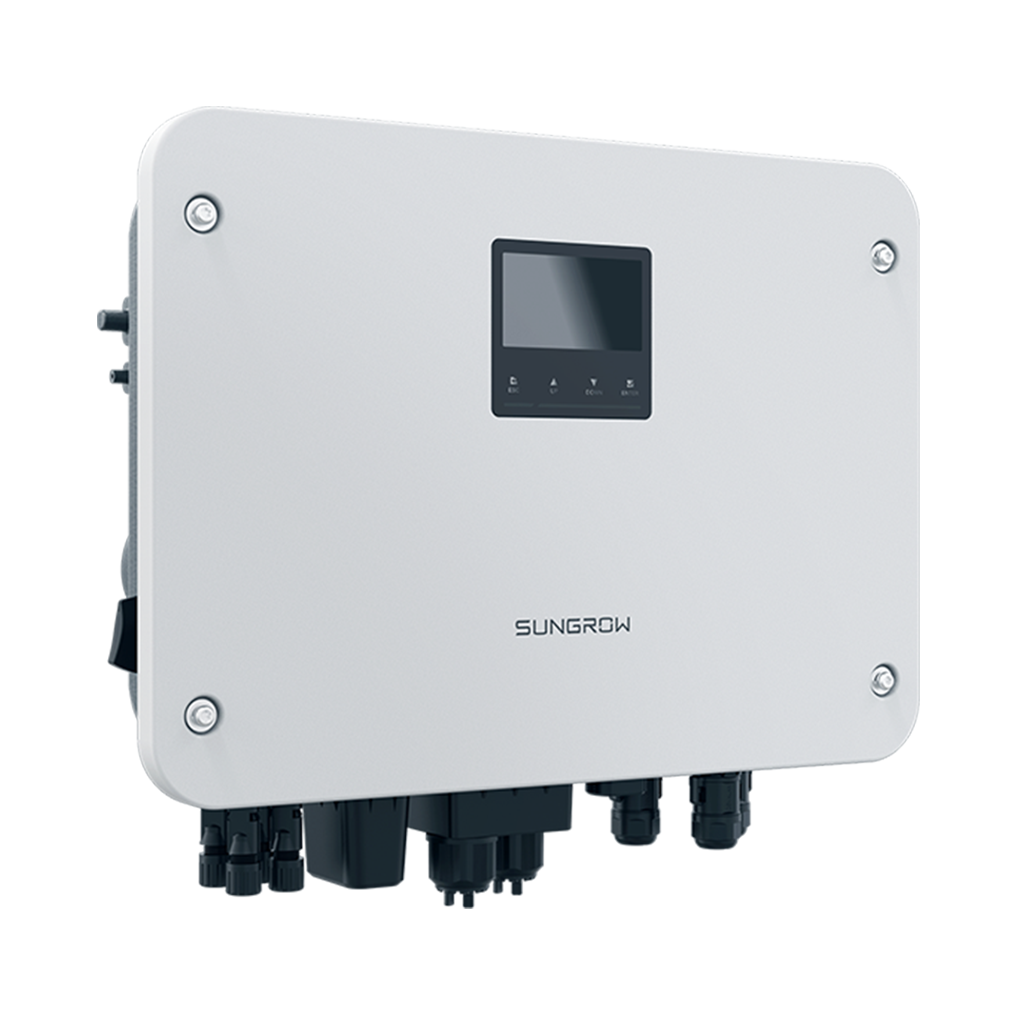
Forward-looking comparison: smarter choices now
What’s Next?
Let me be blunt: choosing a modern hybrid inverter for home changes operational behavior — it provides seamless islanding, integrated PV charge control, and clearer SOC algorithms — so you get usable energy when you need it most. From a technical view, a true hybrid unit coordinates the PV array, the battery management system (BMS), and the grid interface with bidirectional inverter capability; that means you can prioritize critical loads, schedule charging for low-tariff hours, and avoid deep cycles that accelerate capacity fade. In practice (I’m speaking from a rooftop job in Guadalajara, Nov 2021), switching to a hybrid reduced generator runtime by 85% during three-week outage tests — measurable, real savings. Now, evaluate solutions by three clear metrics: round-trip efficiency (higher saves kWh), BMS communication protocols (CAN or RS485 compatibility), and guaranteed cycle life / warranty terms. And yes — test them on-site; simulations lie. Short pause. Then act. For practical procurement I recommend these metrics as your shortlist, and if you want a reliable supplier, consider sungrow.