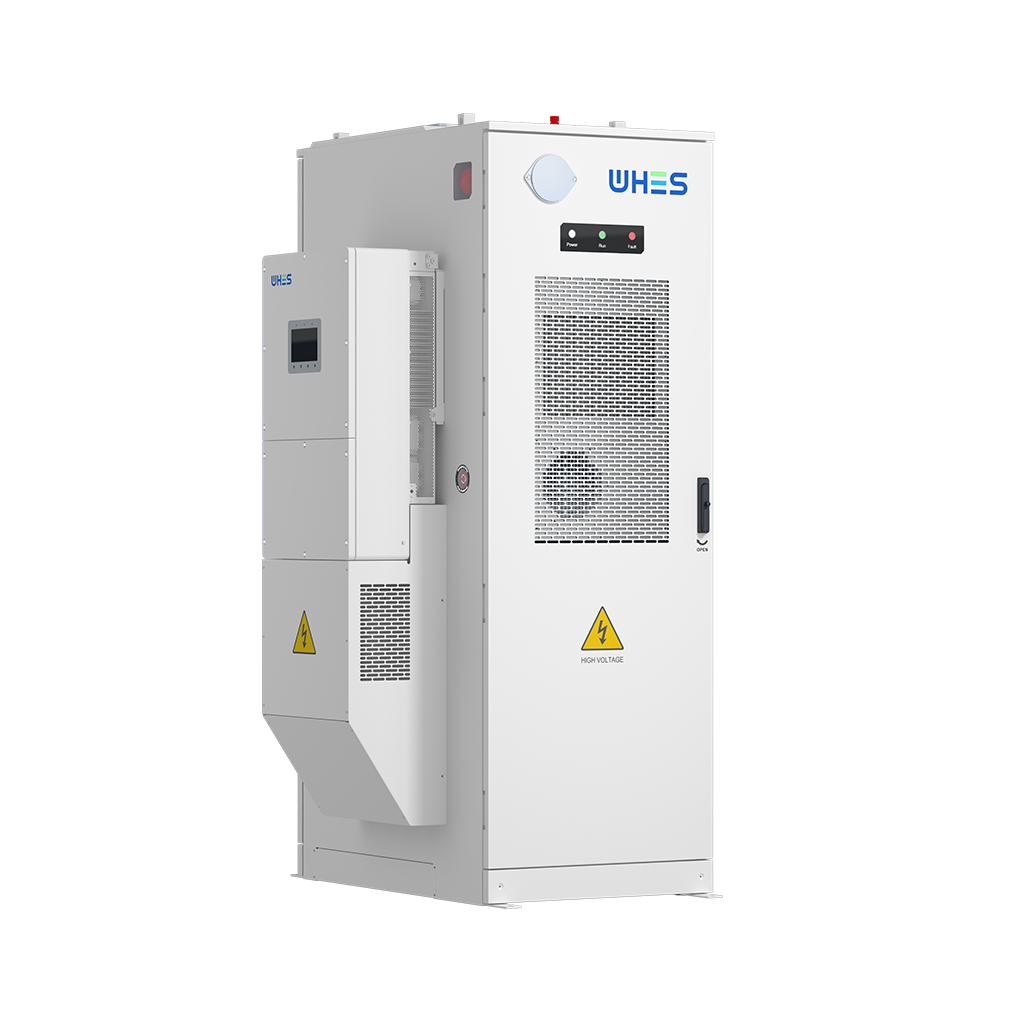
Opening: the problem-first frame
When you spec a 20 kWh solar battery storage pack for a home or microgrid, the questions should start with problems, not features. Will the pack hit its round‑trip efficiency target under your charge profile? Will it survive sustained high ambient temps without derating? If you’re planning an off grid battery storage system, these are the two failure modes that bite most: poor RTE that wastes generation, and thermal instability that shortens life or forces safe‑mode. In this problem‑driven piece I outline how an engineer thinks through those two vectors, with practical checks you can use when evaluating vendors, designs, and site integration—lah friendly, but still technical.
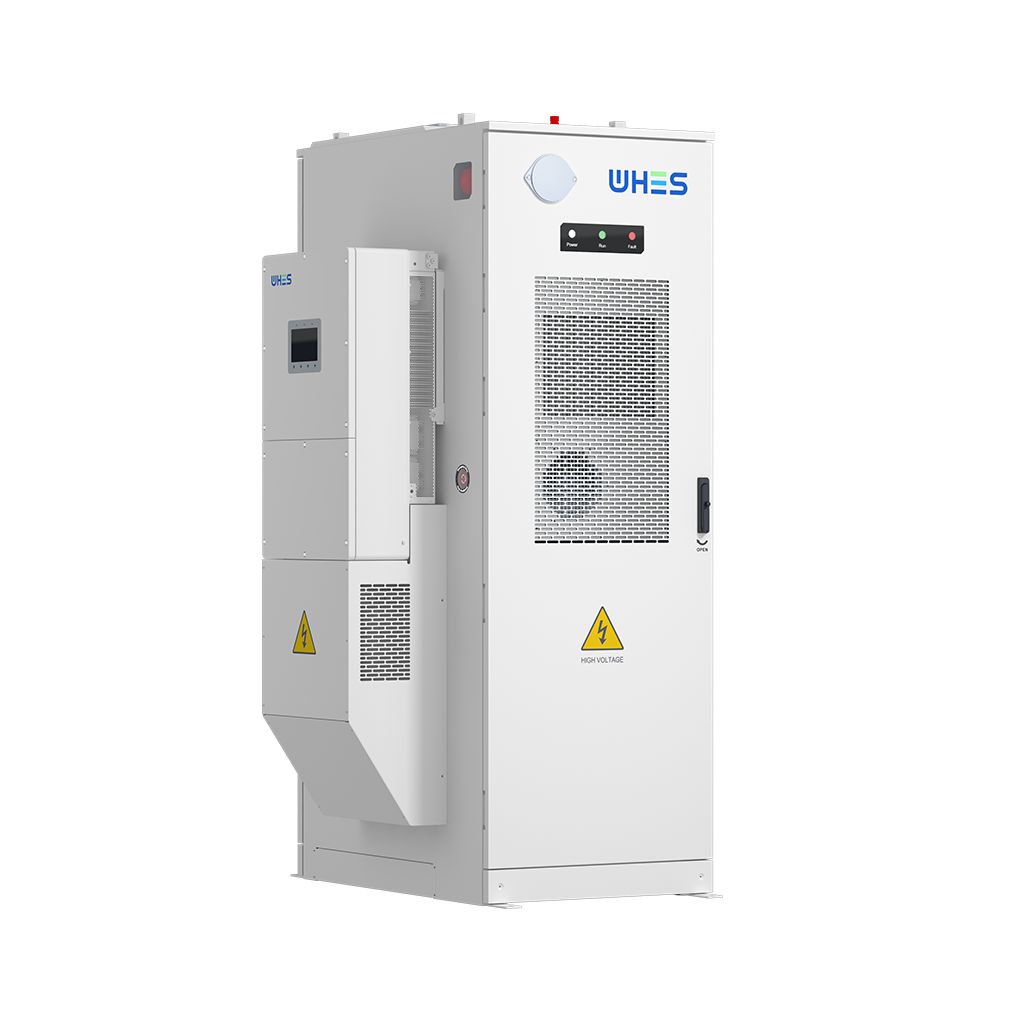
Core problems you’ll meet when specifying 20 kWh
– Unexpected lower RTE than datasheet (real world vs. rated).
– Thermal hot spots inside the pack causing derating or accelerated degradation.
– Mismatch between inverter/charger settings and battery SoC windows leading to cyclical losses.
These problems are routine because small systems sit in tight envelopes and often get forced to operate outside their optimal depth of discharge (DoD) or C‑rate. Design without testing is asking for surprises on commissioning.
Diagnosing round‑trip efficiency shortfalls
Start by separating stack losses from system losses. Round‑trip efficiency (RTE) at cell/module level differs from system RTE after DC‑DC and inverter conversions. Ask for measured RTE across the expected charge/discharge profile, not just one point at 25°C. Key knobs to check: permissible C‑rate, state of charge (SoC) management, and conversion losses in the inverter and DC components. A common blind spot: vendor lists cell RTE but omits parasitic loads (BMS telemetry, heater, cooling fans) that shave a few percent off the usable figure. If your daily solar profile forces repeated shallow cycles, RTE can sink — and that reduces energy available for loads more than people expect.
Thermal stability: understand thermal mass versus dissipation
Thermal issues in a 20 kWh pack are less about total stored energy and more about local heat flux. Cells can build hot spots under high C‑rate or uneven balancing; that’s where thermal runaway risk grows. Good practice is to require vendor thermal maps from worst‑case ambient and worst‑case duty cycle. Also verify the battery management system (BMS) can enact SoC limits and current tapering based on temperature inputs. Cooling options vary: passive conduction, forced air, or liquid cooling—each has cost and complexity tradeoffs. Note — small systems often skip active cooling to save cost; that’s okay only if pack placement and ventilation are assumed in the spec.
Integration matters: inverter settings, charge profiles and controls
Battery chemistry and pack BMS only solve part of the puzzle. Inverter/charger configuration, charge setpoints, and PV curtailment regimes change how the pack cycles. Require these integration items in the spec: firm SoC charge windows, charge/discharge current limits at temperature thresholds, and scheduled equalisation routines. Don’t let generic vendor defaults govern your site — they might prioritise cell longevity while you need peak shaving. Also confirm communication protocols (CAN, Modbus) and telemetry granularity: real engineers need time‑series SoC, cell temperatures, and per‑module voltages for field diagnostics. These data points reduce surprise returns and warranty claims.

Common mistakes and how to avoid them
– Mistake: Using datasheet RTE as contract acceptance criteria. Fix: specify measured RTE across your expected daily profile and temperature band.
– Mistake: Omitting thermal validation during site acceptance. Fix: demand thermal imaging during commissioning under simulated peak loads.
– Mistake: Ignoring BMS behaviour at low SoC and low temp. Fix: require cold‑start test and SoC cutoffs in the factory FAT (factory acceptance test).
Small changes in the spec here save a lot of rework later — and save customer disappointment.
Real‑world anchor: why this matters now
Events like the 2021 Texas winter storm and recurrent California heatwave outages showed that backup energy systems are only as resilient as their specification and integration. Many systems performed poorly when pushed outside nominal conditions because thermal margins and real‑world RTE weren’t part of initial design decisions. That’s a lesson: design for edge cases, not just average days.
Checklist for field and procurement teams
– Ask vendors for RTE curves by SoC and ambient temperature.
– Request thermal mapping under worst‑case current profiles.
– Specify BMS actions at temperature and SoC thresholds, and require CAN/Modbus diagnostics.
– Include a commissioning protocol with measured acceptance for RTE and thermal stability.
These checklist items convert vague promises into verifiable requirements.
Advisory close — three golden rules for evaluating 20 kWh systems
1) Metric first: require measured round‑trip efficiency and publish the test profile used. If the vendor can’t provide curves across SoC and temperature, don’t accept a quote.
2) Thermal proof: insist on thermal maps and defined BMS thermal actions. Passive claims alone aren’t acceptance criteria.
3) Integration verified: include inverter and BMS configuration as part of the contract and require telemetry access for at least 12 months after commissioning.
For many projects these rules push you toward integrated solutions that already bake in controls and thermal design — solutions that suppliers such as WHES offer as part of system engineering. They make the spec turn into a working asset, not a paper promise. —