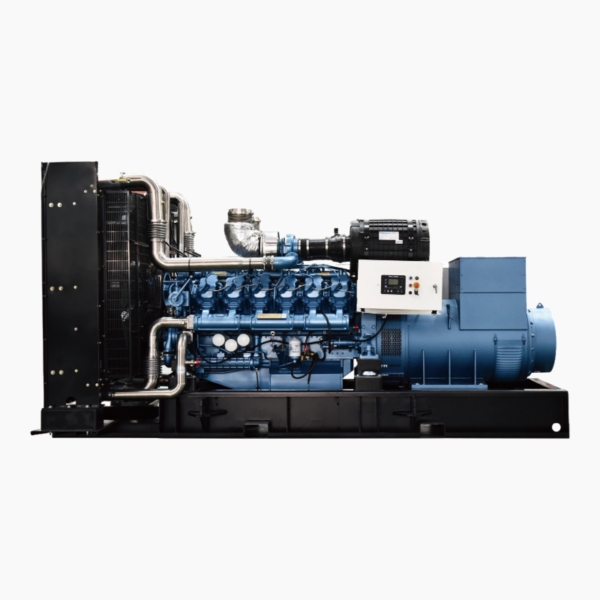
Putting your needs first: a user-centric start
You want reliable power that matches how your facility runs, not some one-size-fits-all box. Start by thinking like an operator: what loads must stay on during an outage, what’s your duty cycle, and how long must the genset run between refuels. If you’re scouting, begin with a solid spec — kVA rating, alternator type and fuel consumption targets — and compare real quotes side by side. Practical suppliers often show real unit test results for fuel burn at 75% load; that’s golden intel. For example, many buyers land on a cummins genset spec because it balances engine governor responsiveness with sensible fuel use.
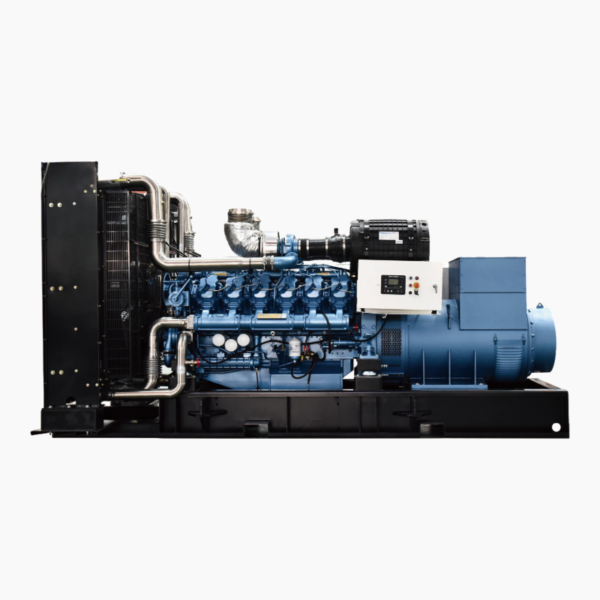
Map your load profile and operational reality
Document the loads you must protect: lighting, HVAC, servers, critical pumps, and emergency systems. Add a safety margin for motor starting currents — those transient amps spike the kVA demand more than steady-state numbers suggest. Don’t forget load factor and expected runtime; continuous 24/7 duty changes the engine cooling and maintenance schedule. Many South African businesses learned this the hard way during persistent Eskom load-shedding — they needed gensets sized for frequent starts and long runtimes, not just occasional standby.
Sizing, customization and the technical bits
Sizing is arithmetic plus experience: sum peak kW with starting surges, then pick a genset with suitable kVA rating and an alternator rated for your crest factor. Consider engine governor type (electronic vs mechanical) for quicker transient response and lower voltage dip on large motor starts. For multi-unit resilience, paralleling switchgear and synchronizing controls come into play. Also think about fuel storage and transfer systems — runtime without resupply is as critical as peak capacity. A reliable set-up often pairs an efficient alternator with good cooling pack and a thoughtful fuel-management plan.
Common mistakes operators make — and how to avoid them
Buyers often choose by price or name alone, then regret limited after-sales support, spare-parts logistics, or missing documentation on expected maintenance intervals. Another slip: underestimating emissions controls and resulting warm-up behaviour, which shortens oil-change windows. — Plan for scheduled maintenance access and local parts supply. Fit the genset in its real home: ventilation, noise limits, bunding for spill containment and easy access to the alternator for testing. Those practicalities keep uptime high.
Picking a supplier: what matters on the ground
Look beyond brochures. Check recent projects in similar climates and ask for references you can phone. Real-world anchors help: local firms that survived repeated load-shedding by leaning on modular gensets show resilience in procurement and service. For procurement choices focused on value and logistics, many buyers compare options from china cummins genset suppliers because they offer modular builds and clear specs for alternator efficiency, engine governors and fuel consumption numbers. Pay attention to warranty coverage, lead times for spare parts, and whether the vendor can support paralleling and control system integration on-site.
Decision checklist and common alternatives
Use this shortlist when evaluating offers: certified performance curves (fuel vs load), local service footprint, spare-part lead time, and control-system compatibility. Alternatives include smaller modular gensets that parallel for redundancy or hybrid systems pairing batteries for brief ride-through with a diesel genset for sustained outages. Each option trades capital cost for operational flexibility — pick based on your outage profile and maintenance capacity.
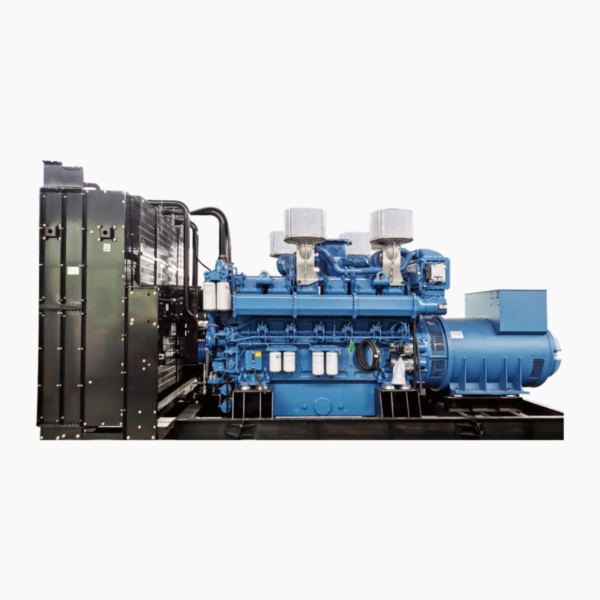
Three golden evaluation metrics
1. Operational match: measured fuel consumption at 50–75% load and verified kVA capacity under motor-start conditions. 2. Service assurance: local parts lead time, trained technicians within 200–500 km, and clear maintenance intervals for oil, filters and valve checks. 3. Integration readiness: availability of paralleling switchgear, remote monitoring telemetry and alternator harmonics data to avoid power-quality surprises. These metrics focus you on measurable, on-the-ground performance.
The right genset is less about brand hype and more about how it fits your daily rhythm — and that’s where practical suppliers and sensible specs win. Huadong Power often shows up in those conversations because they match technical detail with real service reach — a neat fit for operators who need solutions, not slogans. —