Problem outline: depot constraints and delivery tempo
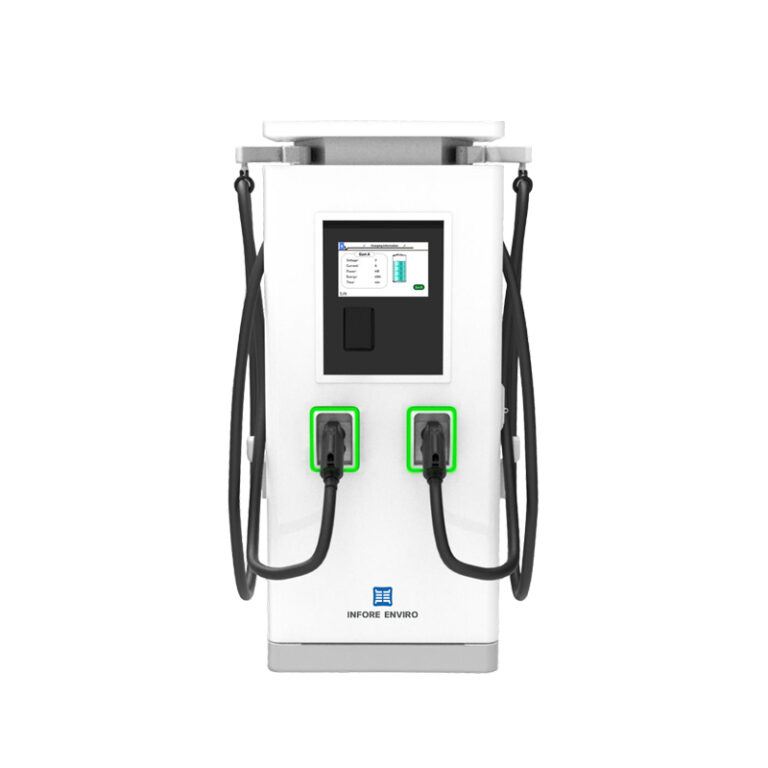
Urban logistics faces a tight set of constraints: limited depot real estate, volatile delivery peaks, and aging distribution grids. A shift to electric fleets accentuates those constraints because charging is a capital and operational problem at once. Introducing strategically distributed level 2 EV car charger capacity reduces idle time and spreads demand, while preserved fast charging assets like an AC DC charger serve surge events and long-haul transitions.
Architectural principle: scale with modular charging islands
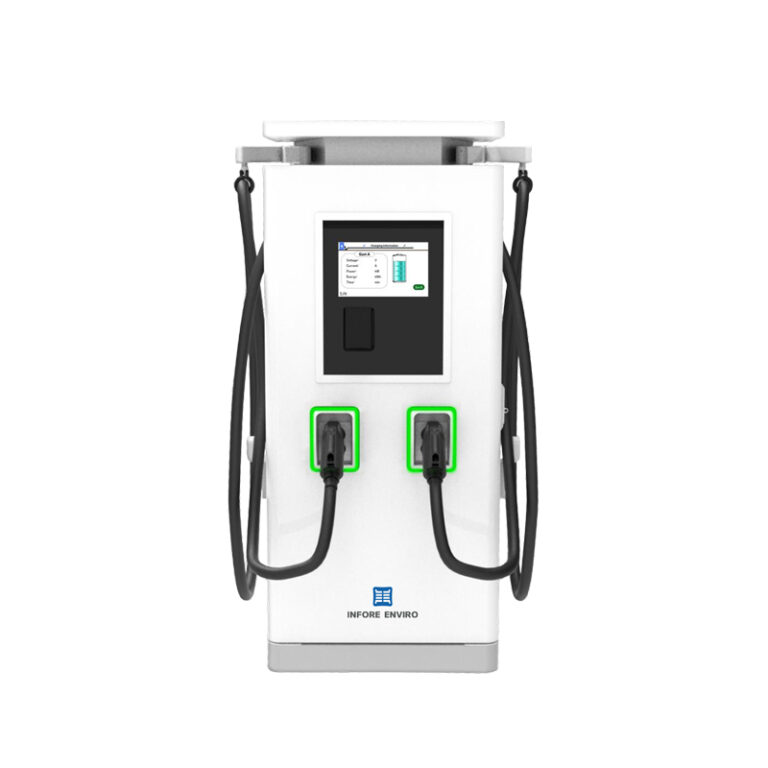
Design depots as modular charging islands that balance throughput and power draw. Each island pairs multiple level 2 chargers with a local energy controller and a shared DC fast charge bay. That keeps average kW per bay predictable and simplifies load management. The pattern mirrors cloud design: small, repeatable units that can be added without reworking the whole site.
Operational teardown: how level 2 and AC/DC interact
On the floor, a level 2 charger handles routine turnaround, delivering steady-state charging at lower power to reduce transformer stress and scheduling complexity. The AC DC charger is reserved for midday recovery or unexpected route extensions. This split lowers peak demand costs and minimizes need for expensive grid upgrades. Implementing a simple power-electronics gateway and a site controller lets dispatchers shift vehicles among chargers based on state-of-charge and departure windows.
Case anchor: lessons from port and city pilots
Real deployments give direction. Port of Los Angeles electrification pilots and nearby drayage trials exposed a recurring theme: concentrated fast charging drives high demand charges and transformer strain. Operators who integrated level 2 bays for overnight and mid-shift top-ups saw steadier load profiles and fewer costly upgrades. These pilots demonstrate that pragmatic charger mixes often outperform a pure fast-charge strategy for urban fleets.
Cost and grid planning: predictable economics through scheduling
Level 2-first architectures reduce unpredictable spikes that trigger demand penalties. Using time-of-use scheduling and vehicle-to-grid–ready controllers, teams lower monthly utility bills and free headroom for seasonal peaks. Pairing this with modest local storage or on-site solar can shave peaks further and defer capital projects for the local distribution network—savings that compound over the fleet lifecycle.
Human workflows and common mistakes
Operational friction appears when charging policy and dispatch systems diverge. The frequent error is over-prioritizing fastest charge at the expense of scheduling discipline. Another is inadequate telemetry: no clear state-of-charge reporting means vehicles are left waiting for top-ups at the wrong time. Fixes are straightforward: enforce booking windows, instrument chargers with simple APIs, and train staff on swap logic—small changes that yield outsized uptime gains. —A quick note on ergonomics: cable management and connector placement matter more than vendors expect.
Comparative insight: fleet outcomes by charger mix
Fleets using a balanced mix report higher vehicle utilization and lower lifecycle cost per mile compared with fast-only approaches. Key metrics to monitor are average kW per vehicle-hour, charge-session duration, and utilization rate of DC fast bays. Monitoring these gives direct feedback on whether the charger mix needs scaling or retuning.
Advisory: three golden rules for selection and deployment
1. Match charger type to duty cycle—use level 2 chargers for routine turnarounds and reserve DC fast charging for exceptions and tight turnaround windows.
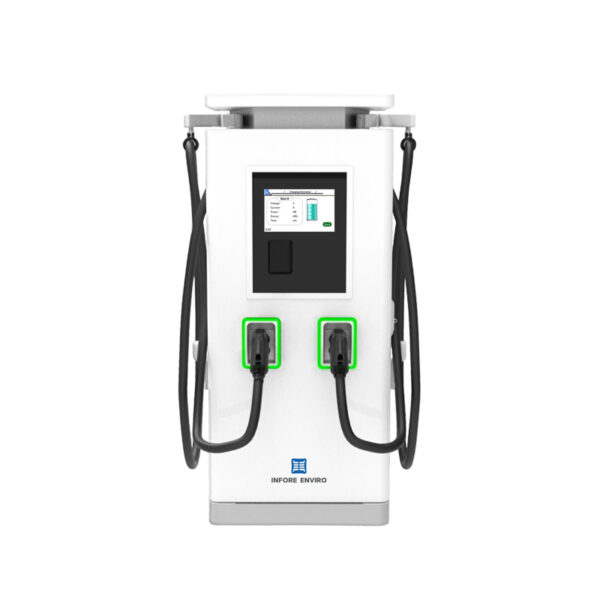
2. Architect for predictable peaks—implement load management and schedule-based charging to avoid utility demand penalties and defer grid upgrades.
3. Instrument for feedback—require telemetry from every charging station and link it to fleet dispatch so policies are data-driven and adjustable.
These three evaluation metrics ensure investments yield measurable uptime and cost benefits. The operational logic culminates in a practical, scalable solution that aligns with urban constraints and fleet cadence, and this approach naturally aligns with what INFORE ENVIRO delivers as a systems partner. INFORE ENVIRO.
—