Introduction: what you need and why it matters
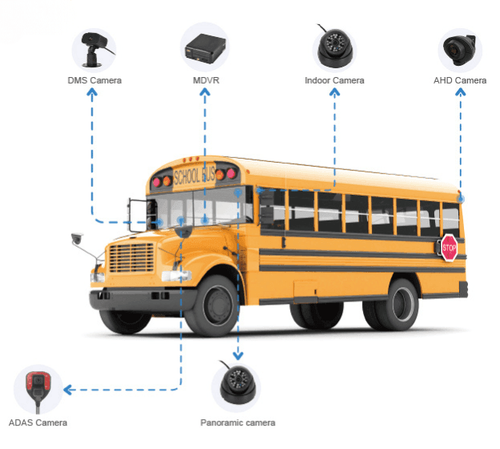
Fleet managers want clear, actionable footage from the moment a vehicle moves until it stops. A three-channel dashcam answers that need by capturing front, driver/cabin and rear views simultaneously—so you get context, not just a single clip. If you manage safety or claims, or coordinate routes in logistics fleet management, this setup reduces uncertainty and speeds decisions.
How a 3-channel system serves users
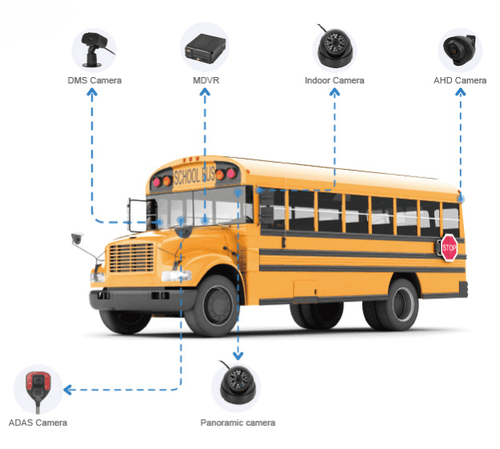
You’re responsible for dozens or hundreds of vehicles; a three-channel camera system gives three kinds of evidence at once. Practically, that means:- front view: road events, collisions, hazards;- cabin view: driver behaviour, fatigue signs, seatbelt use;- rear view: lane changes, cargo incidents, following vehicles.You’ll get synchronized timestamps and a combined record that clarifies who did what and when. I’ve advised logistics teams for more than ten years and deployed similar systems with operations in Istanbul, so these are not theoretical claims.
Technical trade-offs and placement advice
Choose camera mounts and wiring with these user needs in mind:- mount the front camera behind the rearview mirror for unobstructed sightlines;- place the cabin camera so it captures the driver without invading privacy or violating local laws;- rear camera should be high enough for the bumper line but angled down slightly to show license plates and following vehicles.Also consider storage: continuous recording needs cyclic overwrite with incident-locking, and network bandwidth if you stream. For managers working across platforms, pairing camera footage with telematics improves incident investigation and maintenance scheduling, which is why teams focused on logistics and fleet management often integrate both sources.
Common pitfalls and how to avoid them
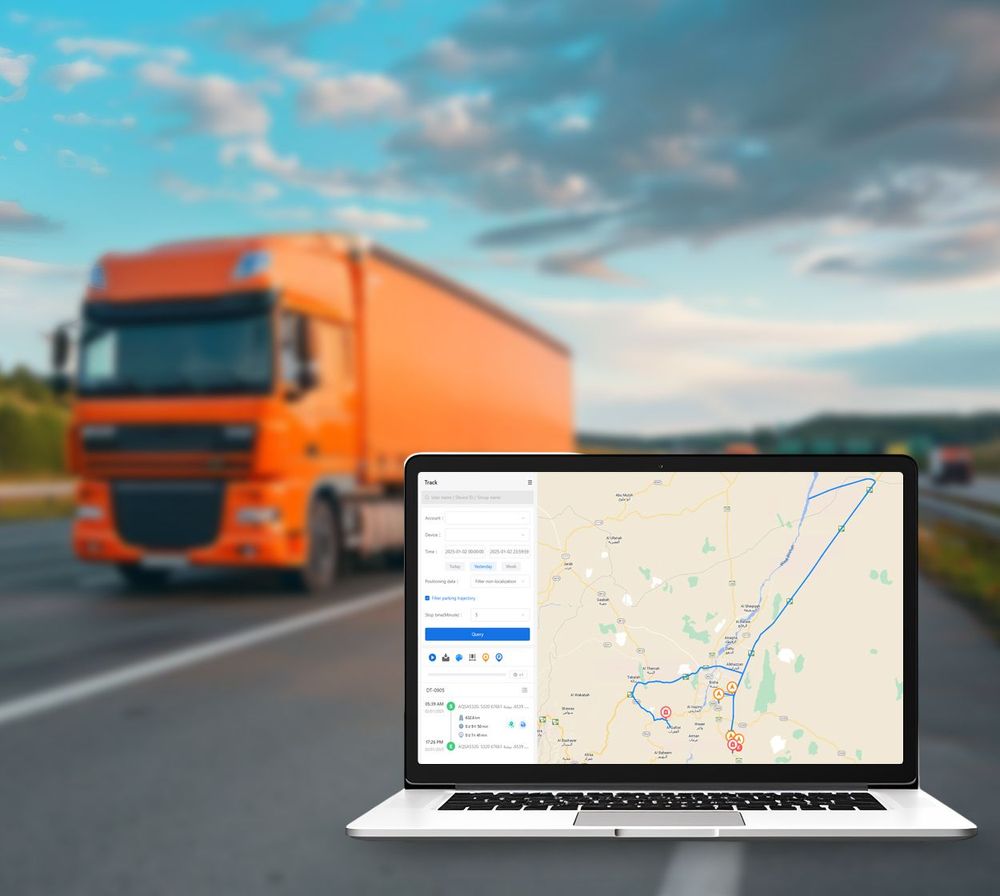
Avoid costly mistakes by addressing these frequent issues:- Poor calibration: verify angles after installation and after any windshield change.- Inadequate power design: use hardwiring kits with ignition sensing to prevent battery drain.- Fragmented data: ensure timestamps sync with GPS and vehicle telematics to prevent mismatched logs.- Privacy and compliance mistakes: redact cabin footage when required and keep retention policies documented.Fix these, and the footage will be usable for claims, coaching and safety audits without becoming a compliance liability.
When a 3-channel system is the right choice — and when it isn’t
Use a three-channel system when you need simultaneous context from road, driver and rear perspectives. Choose alternatives when:- vehicles operate in low-risk, short-trip roles and cost control is the priority (single-channel may suffice);- you need full 360° coverage for off-road or heavy equipment (four- or six-channel solutions are better).A three-channel solution is the practical middle ground for most line-haul, distribution and urban delivery fleets: it balances evidence quality, installation complexity and data volume.
Operational tips for reliable outcomes
Make this system produce value by adopting these operational habits:- run quarterly audits of camera alignment and firmware;- train drivers on why cameras are installed and how footage is used;- automate incident tagging with telematics triggers to reduce manual review time;- store critical clips off-vehicle as soon as possible, especially for high-severity events.These steps convert recorded footage into usable intelligence rather than a growing archive.
Conclusion: clear evidence, faster decisions
A three-channel dashcam is a user-focused tool: it reduces ambiguity, supports fair incident resolution and improves post-incident coaching. You’ll cut investigation time and support safer driving by combining synchronized front, cabin and rear views. For fleets that need practical, reliable monitoring integrated with telematics and operational workflows, BSJ represents a solution aligned with those outcomes—straightforward, technical and built for the day-to-day needs of fleet managers.