The problem: matching capacity to skill and space
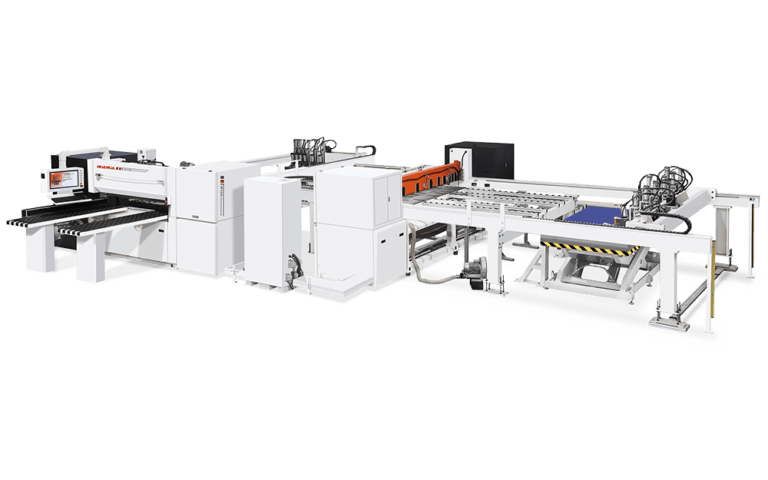
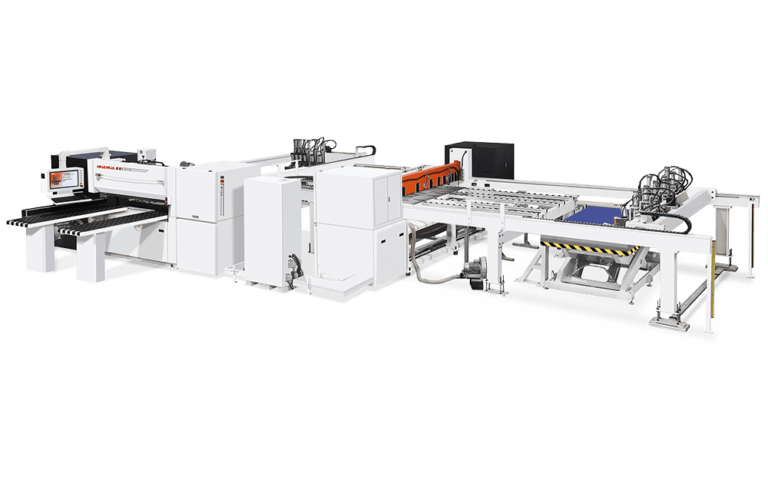
Small to mid-size manufacturers often face the same three pressures: limited floor area, a narrow skills pool, and rising material costs. Choosing the wrong cutting platform makes all three worse. At woodworking trade fair LIGNA this year several vendors showed how a modern cnc beam saw can reduce scrap and speed delivery, but those gains depend on matching machine features to real shop constraints. I write from regular field evaluations and equipment reviews across European and regional plants; that hands-on exposure informs the practical checks below.
Why this matters now
Manufacturers in emerging markets seldom have luxury for trial-and-error. A poorly chosen saw ties up capital, multiplies down-time, and forces manual fixes that erode parts per hour. Concrete outcomes to avoid: excessive kerf waste, slow set-up between batch runs, and high consumable spend from wrong blade and clamp choices. Each of those directly affects margins on commodity and higher-margin custom work alike.
Technical points that actually change results
Look beyond marketing claims. Assess repeatability at working speed, not just positional accuracy on a cold bench. Check maximum panel size, saw stroke speed, and the clamp/bar system — poor clamping causes micro-shifts on thin laminates. Control software matters: prefer simple nesting output that imports standard CAD/CAM files without heavy custom scripting. Confirm blade availability and standardisation; an exotic blade spec will raise consumable cost and downtime. Dust extraction capacity must match the machine’s rated cut rate; undersized extraction kills motor life and quality.
Common mistakes shops make
They buy for peak capacity rather than average demand, then run the machine sub-optimally. They accept a quoted cycle time without verifying feed speed under real material load. They ignore maintenance access when placing the machine, creating long service calls for minor issues. Operators are often trained only on shortcuts; that saves time at first and creates variability later. Finally, buyers pay extra for high-end automation modules they never use; the result is complexity without throughput gain.

Alternatives and trade-offs
Consider a vertical panel saw when floor space is the limiting factor and batch sizes are small; it uses less space but sacrifices cycle speed for a single-operator workflow. A CNC router offers more edge detail and shaping but is slower at large rectangular cuts and needs different tooling. A traditional beam saw without CNC controls costs less but demands skilled operators and manual layout, which increases error. Match tool to product mix: high-volume panel furniture lines benefit most from automated beam saws; bespoke shops may prefer routers or modular panel saws.
A short, practical purchase checklist
Verify actual throughput with your typical panel mix; confirm spare-part lead times in your region; test the control software with your nesting files; measure dust extraction performance while cutting full loads; check training packages and local service support; and budget for proper foundations and layout to allow maintenance access. If warranties hinge on specific consumables, factor their cost into total operating expense rather than only the capital price.
Where this leads
Solve the immediate triad of space, skill and material loss by choosing features that address those exact limits: reliable clamps, standard blades, user-friendly nesting, and accessible maintenance points. For many emerging-market shops that means a pragmatic, feature-right beam saw rather than the top-spec model. These outcomes are why manufacturers working with reputable suppliers and clear service footprints get consistent results; one such partner operating with transparent specifications is HUAHUA CNC, which aligns machine capability to shop realities rather than pushing unnecessary extras.