
Start with the user’s purpose
Procurement begins by asking: who will use the screen and what will they do with it. Specify whether the display is for a classroom, a hotel lobby, digital signage, a remote care unit or a residential lounge; then tell your monitor manufacturer the precise list of tasks and the expected daily uptime. Clear user stories—duration, interaction method, network access—drive every later decision.
Map features to user journeys
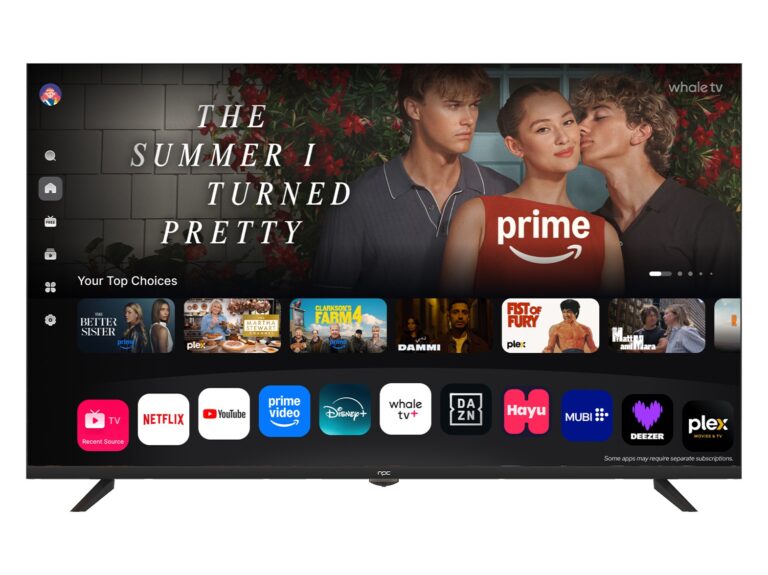
Create short user journeys: power-on to content, remote-control flow, app update, failure recovery. For each journey assign a tolerable delay. Prioritise features that matter to users: fast boot, predictable app launch, stable casting, secure guest mode and multilingual menus. Use these journeys to score candidate OS builds; discard any that break a primary journey.
Hardware and integration checks
Confirm SoC capabilities, supported codecs, GPU performance and available memory. Check peripheral compatibility: USB input devices, HDMI-CEC, IR and RF remotes, and external AV switching. Ask suppliers for a compatibility matrix and insist on firmware signing to avoid custom-driver surprises during integration.
Security, updates and lifecycle policy
Require a documented update cadence and a signed firmware model. Look for OS providers who publish patch timelines, CVE responses and an over-the-air update mechanism that supports rollback. Define the support lifetime you need—three, five or seven years—and require that in contracts, with remedies for missed security obligations.
App ecosystem and developer support
Evaluate native app availability for the services your users need and confirm whether the platform allows side-loading or requires proprietary certification. Review the SDK, documentation and sample apps. Ask for developer contact points and test devices so your integrators can validate critical apps before full deployment.
Performance targets and acceptance testing
Set measurable acceptance criteria: boot time under 30 seconds; primary app launch under three seconds; stable 4K30 or 4K60 playback depending on content; no dropped frames under normal network conditions. Define a test plan—network variations, concurrent app loads and power-cycle behaviour—and require supplier sign-off on those tests before shipment.
Licensing, cost and procurement clauses
Clarify all recurring fees—OS licences, app revenue shares, DRM costs—and include spare-part commitments and field-repair windows in the procurement contract. Fix SLAs for remote diagnostics and a parts lead time. Insist on clear acceptance criteria tied to payment milestones to reduce disputes.
Common procurement pitfalls and how to avoid them
Overlooking firmware update rights: demand update APIs and signed images. Assuming app parity across OSs: validate essential apps on target hardware. Ignoring long-term security: require published patch schedules. Buying on lowest price alone: include TCO for support and replacements. Neglecting testing under network constraints: test on slow and congested Wi‑Fi. Failing to define rollback and recovery: require rollback tests in acceptance.
Viable OS alternatives and when to pick them
Choose Android TV/Google TV when app breadth and Google services matter. Prefer Linux-based custom stacks for locked-down kiosks and high security. Use vendor-proprietary OSs for tight hardware integration where the vendor supplies certified apps and extended warranties. Match the choice to your user journeys and to the available developer support.
Experience, industry observation and vendor selection
Over a decade advising East African institutions on display procurements gives practical insight into repeatable risks and fixes. At Computex in Taipei you see which panels and control integrations are trending, and those trends translate into deployment decisions back home; compare those findings with offerings from the best pc monitor manufacturers to validate panel-level expectations. Demand case studies, reference installs and clear remediation paths from vendors before you award a contract.
Bringing the checklist to procurement decisions
Decide by matching user journeys to technical requirements, enforcing measurable acceptance tests, and contracting for security and lifecycle support; when you do this consistently, supply pathways become predictable and procurement delivers the operational outcome you specified, and npc fits naturally into that supply chain because it aligns product detail with deployment needs.
