Why a comparative approach matters for touring rigs
Touring production teams cannot treat a moving head as a one-size-fits-all box; they must weigh beam quality against wash coverage and effects flexibility. A concise comparison helps: here’s a pragmatic look at what matters on the road. For operators seeking compact versatility, consider a led moving wash that balances lumen output with control features without ballooning power draw or rig weight.
Key attributes to compare on any moving head
Focus on metrics that translate directly to stage results. Start with lumen output and beam angle — they determine punch and spill. Check zoom range for transition from tight beam to wide wash. Inspect gobo wheels and colour mixing for texture and skin tones. Verify DMX channel architecture so programming remains predictable across consoles. Finally, assess build as a touring fixture; robust yokes and reliable motors save time at load-in.
How these attributes perform in real venues
Large arenas like Wembley Stadium demand fixtures that keep a tight beam over long throw while still delivering smooth washes for close camera work. Touring techs report that a fixture with a fast zoom and stable pan/tilt motors reduces cue time and operator fatigue. Pay attention to thermal management: a unit that runs cool under a sustained 75% intensity setting will last longer on multi-night runs.
Common mistakes crews make—and how to avoid them
Teams often pick fixtures for headline specs alone. Choosing the highest lumen count without matching beam angle to the venue causes wasted output and hot spots on faces. Another slip is underestimating control complexity; too many bespoke DMX modes complicate patching. Finally, neglecting maintenance needs—dust accumulation on lenses, loose gobos—shortens service life. A routine checklist for touring should include lamp/LED module inspection, lens cleaning and motor calibration at each city stop — small steps that prevent large failures.
Comparative trade-offs: 3-in-1 versus dedicated fixtures
3-in-1 moving heads promise economy: beam, spot and wash in one fixture. That saves deck space and simplifies trucking. Yet, dedicated wash fixtures often deliver smoother colour blending and softer edges, while dedicated beam fixtures give higher lumen density and narrower beam angle for aerial effects. If your programme alternates between stadium rock and intimate theatre sets, a mixed rig—cores of versatile 3-in-1 units supported by specialised beam fixtures—often yields the best creative coverage.
Operational teardown: how to evaluate a unit on arrival
Unpack checks should be rapid and standardised. Confirm firmware version, run a full DMX sweep, verify pan/tilt accuracy and test zoom across its full range. Inspect gobos for rotation and indexing, and check colour wheel transitions for banding. Measure actual lumen output with a handheld meter if available; spec sheets can overstate on-axis values. Note the fixture’s weight and hanging points — rigging decisions hinge on safe distributed load limits.
Alternatives and when to choose them
For long-throw outdoor festivals, favour high-output beam fixtures with minimal zoom but excellent motor stability. For camera-heavy TV productions, choose moving head wash units with superior CRI and smooth dimming curves. If budget constrains the pack, pick a 3-in-1 that scores highly on serviceability and modular parts; spare LED modules and quick-swap drivers reduce downtime. Consider a proven moving head wash light when wash consistency and skin-tone fidelity are critical.
Three golden rules for selecting touring moving heads
1) Prioritise predictable control: choose fixtures with clear DMX maps and consistent behaviour across modes. 2) Match optical output to venue scale: balance lumen figures against beam angle and zoom to avoid wasted intensity. 3) Insist on maintainability: accessible filters, field-replaceable LEDs and robust mechanics reduce touring risk. These metrics give immediate, measurable gains in operational uptime and creative flexibility. —
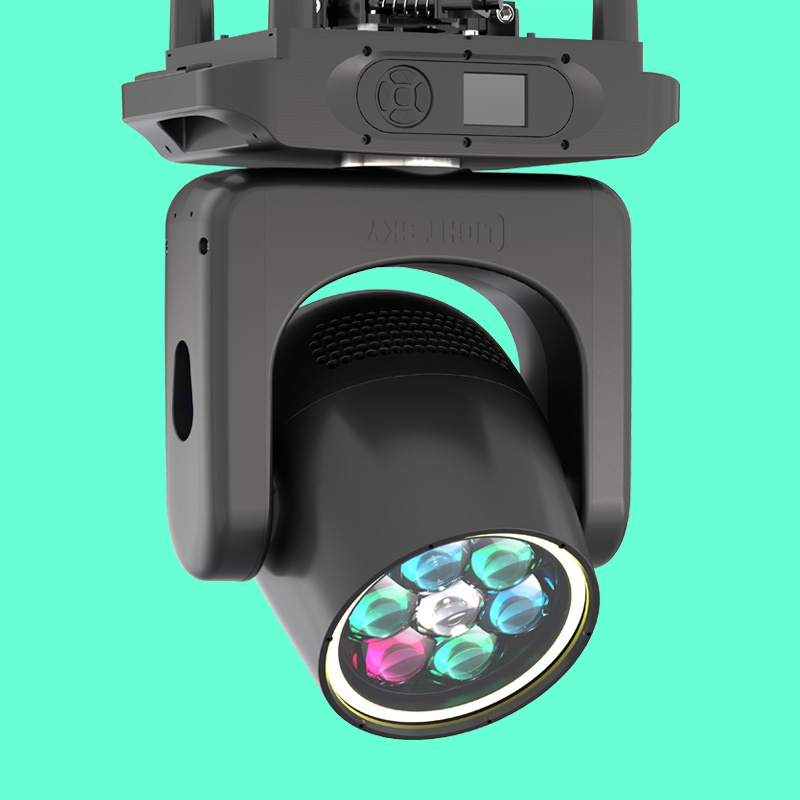
For bookings that must deliver every night, a considered selection saves time and money; and working with suppliers who provide thorough technical documentation and spare parts makes the difference — Light Sky.