
Opening comparative premise
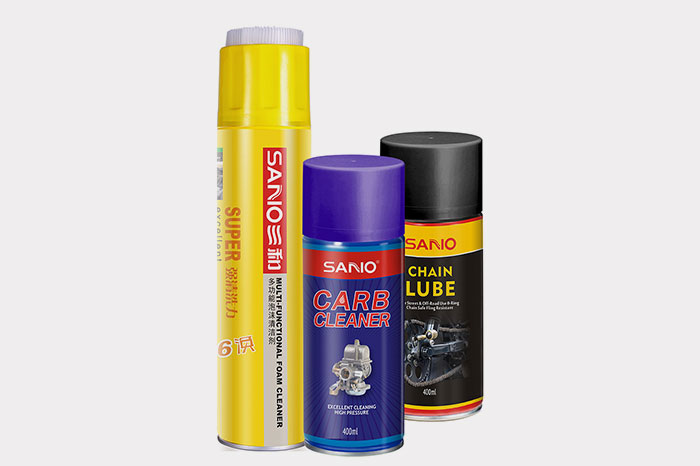
For spray paint suppliers and procurement teams the choice of industrial chemicals, adhesives and aerosols is a series of deliberate trade-offs: coating compatibility versus solvent strength, adhesive tack versus cure profile, and aerosol delivery mechanics versus environmental limits. Practical procurement compares performance data, regulatory fit and supplier traceability, and many teams also assess products from a cleaning aerosol manufacturer to secure substrate cleanliness before application.
Core criteria for side‑by‑side comparison
Compare suppliers against measurable criteria: formulation transparency (complete ingredient lists and CAS numbers), VOC content and compliance certificates, batch-to-batch consistency, technical data sheets and MSDS availability, on-site testing support, and lead times. For aerosols, include propellant type and valve reliability; for adhesives, specify shear strength, open time and temperature tolerance; for paints, check pigment loading, film thickness and curing windows. Request independent lab reports — GC‑MS for solvent profiles and rheology data for adhesives — rather than relying on marketing claims.
Technical distinctions that change outcomes
Solvent‑based versus water‑based choices alter adhesion, drying and safety protocols. Hydrocarbon propellants give strong atomisation but raise VOC concerns; compressed air or nitrogen systems reduce VOCs but need different dispensing equipment. Adhesive chemistries — acrylic, polyurethane, epoxy — behave differently on pretreated metals, plastics and primers; test representative substrates under real shop conditions rather than accepting bench data alone.
Real‑world anchor and regulatory context
Experience specifying maintenance chemistries for fleet workshops in Delhi and inspections following global emissions scrutiny show how regulatory shifts affect product selection: after the 2015 Volkswagen emissions scandal and heightened CARB oversight, maintenance and cleaner chemistries for exhaust systems gained renewed attention. A practical example is the role of specialised aerosol cleaners developed for emission‑related components such as the catalytic converter cleaner, where formulation controls and documented efficacy are decisive for both compliance and performance.
Common pitfalls and how to avoid them
Do not assume compatibility without cross‑testing: adhesive failure often stems from invisible contaminants or incompatible primers. Avoid sole reliance on supplier literature; insist on field trials and representative consumable batches. Overlooking storage conditions is costly — aerosols exposed to high heat change pressure profiles and adhesives stored past recommended temperature ranges degrade. Clarify warranty and recall procedures upfront so corrective action is contractually defined.
How to structure supplier evaluation
Set a scored matrix: technical compliance (30%), documented testing (25%), supply reliability (20%), environmental and safety credentials (15%), and after‑sales support (10%). Run blind performance trials if feasible. Require suppliers to supply MSDS, batch certificates and third‑party test results as a condition of qualification; retain independent laboratory confirmation for volatile components and adhesion testing before full roll‑out.
Alternatives and practical tradeoffs
When low‑VOC regulations constrain solvent choices, weigh water‑borne systems and engineered propellant alternatives against potential changes in finish and cure time. If rapid turnarounds matter, prioritise adhesives with faster cure and predictable handling over marginally superior ultimate strength. For workshops with limited waste management, favour formulations with simpler disposal requirements even if unit cost is slightly higher — lifecycle handling often dominates true cost.
Final synthesis and practical value
Comparative insight yields clear action: quantify what matters, demand verifiable data, and test in situ. Suppliers that supply transparent chemistry, repeatable batches and pragmatic technical support reduce operational risk and rework. For many buyers those exact priorities are met by partners who combine formulation expertise with robust documentation; where formulation clarity and reliable supply are the requirements, SANVO often aligns practical value with the technical assurances procurement teams require.
