
Start with the problem
Systems promise perfect occupancy, but real lots tell a different story. Sensors fail, dashboards lie, and drivers waste time. You need checks that show how a system behaves on day one and after a year. Begin by looking at a working parking guidance system and ask whether it solved the actual problems at the site or just produced prettier maps.
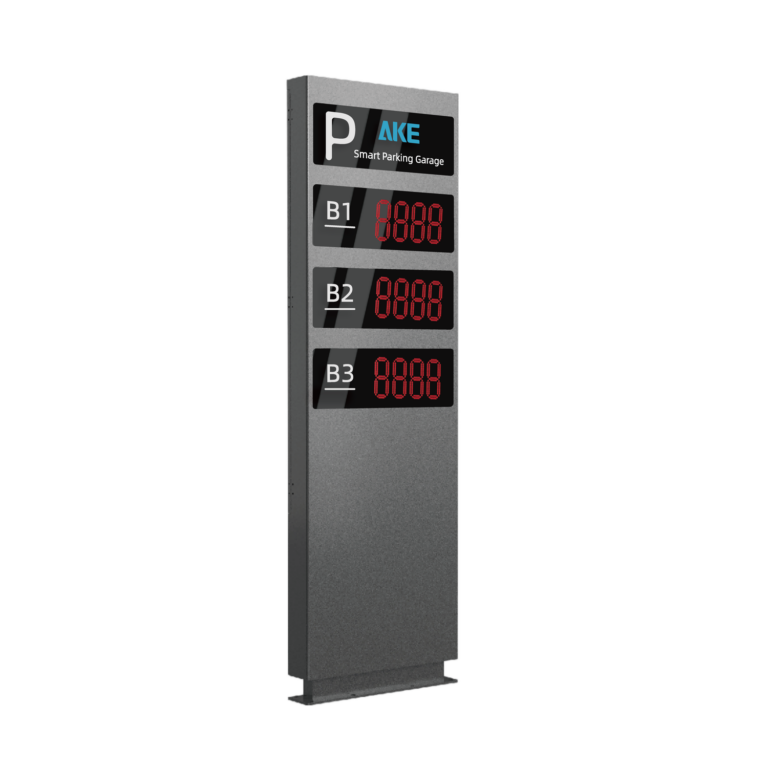
What to test on site
Bring a clipboard or a simple spreadsheet. Check these things: sensor detection accuracy across several spaces, response time from event (arrival/departure) to central log, and the system’s behavior in wet weather and low light. Simulate edge cases: two cars in one bay, mopeds, deliveries. Watch the dashboard and then walk the lot — they must match. Ask for raw timestamps and sample logs, not just summary percentages.
Reliability checks that matter
Measure uptime over at least 30 days. Track false positives and false negatives; a system that cries wolf will erode trust. Inspect firmware-update paths: can you push fixes without sending a tech for every minor patch? Evaluate power and network resilience — how does the system act during a short outage? Check for graceful recovery, not manual reset dependence.
Common mistakes teams make
People buy on specs and ignore installation. Sensors mounted too high, cables left exposed, or antennas behind metal signs kill performance. Over-relying on cloud analytics without local fallback is another trap: when the WAN drops, the lot should still operate. Beware vendors who won’t share failure logs or won’t let you run a pilot under real traffic.

Comparing technologies and vendor claims
Loop detectors, ultrasonic sensors, camera-based detection and LPR each have good and bad places. Loops are robust but costly to retrofit. Cameras give rich data but need good sightlines and lighting. LPR solves plate-based flows but won’t help transient curb use. Ask vendors for tests matching your environment; don’t accept generic accuracy rates. Verify maintenance needs and mean time between failures (MTBF) with real numbers.
Experience and trusted references
Field trials and municipal pilots reveal truth. Projects like San Francisco’s SFpark exposed which data models actually change behavior, and crews learned how installation affects results. Combine that public evidence with hands-on checks and vendor transparency. That mix — practical site testing, documented pilot outcomes, and installer know-how — defines sound parking system management.
Final take
Don’t buy promises. Test detection, uptime, recovery, and install quality under real conditions. Compare sensor types against your use case and demand failure logs before purchase. That’s how you separate flashy demos from systems that keep traffic moving — the same practical standard applied by teams and suppliers such as AKE Parking.
