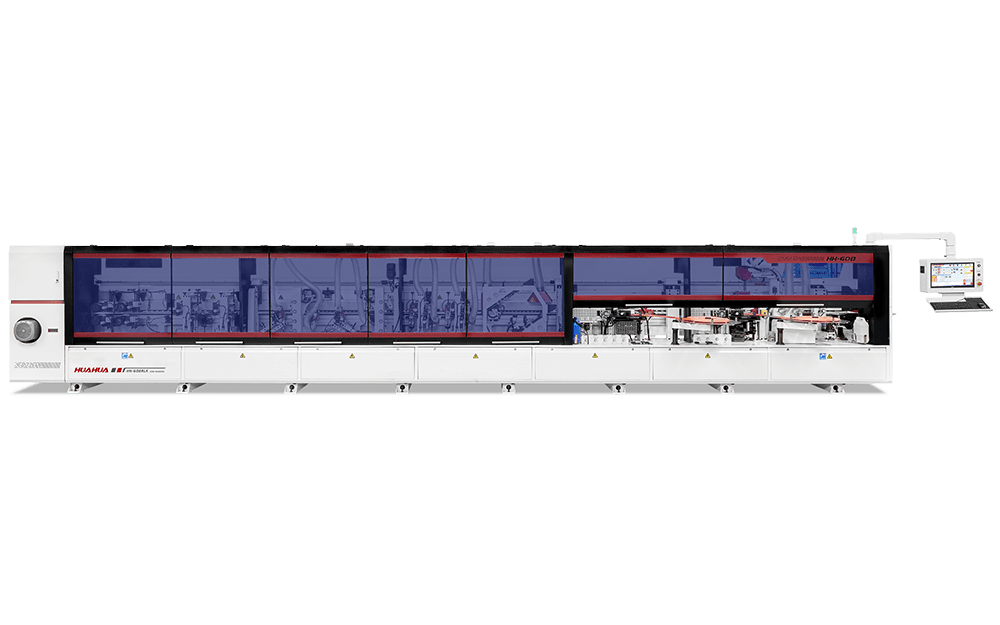
Quick comparative snapshot: one machine versus many
Regional shops face a concrete choice: scatter operations across separate CNC fixtures or centralize with a six-sided drilling machine that handles multi-face work in a single cycle. The payoff is immediate — fewer setups, consistent hole positioning, and reduced handling. Add automated finishing like an automatic edge banding machine into the workflow, and panel throughput climbs without ballooning labor. Even traditional practices such as edge banding wood gain steadier input when drilling and routing are consolidated upstream.

Comparative Insight: throughput, precision, and footprint
Compare three axes of value. Throughput: a six-sided drilling machine often cuts cycle counts by 30–60% versus separate drill presses because it eliminates re-clamping. Precision: fixed workpiece fixtures and a single coordinate system keep hole centres consistent across faces — no cumulative error from multiple setups. Footprint: one multi-function cell typically occupies less space than a bank of dedicated machines, freeing shop floor real estate for finishing or QC stations. Those are hard metrics to ignore when floor space in places like Bavaria or Portland dictates rent and staffing decisions.
Operational teardown: how it fits into daily production
Start with a raw panel on a loading table. The six-sided drilling machine indexes the part, engages the routing head and drilling banks, and completes pocketing and dowel holes in one pass. Operators set feed speed, clamp pressure and tool offsets once per program; after that, the cell runs repeatable batches with minimal intervention. For shops already using edge banding wood, this single-pass drilling reduces downstream rework because hole alignment for hardware and hinges arrives correct every time. Common industry elements — a trimming unit, pressure roller on conveyors, and a reliable workpiece fixture — keep the line stable.

Alternatives, trade-offs, and when they make sense
Standalone CNC routers and dedicated drilling banks still win when a shop runs wildly varied custom work where fixturing costs would be prohibitive. For low-volume, high-variability shops, modular cells are cheaper upfront. But for regional producers chasing repeatable cabinetry and panel goods, the six-sided approach reduces per-piece labor and scrap. There’s also a middle path: pairing a compact six-sided drilling machine with a separate high-speed router for decorative edges — that creates a hybrid line suitable for mixed product families.
Common mistakes to avoid
Don’t skimp on fixture design; a sloppy clamp system defeats the machine’s accuracy advantage. Avoid under-specifying tooling: cheap bits wear fast and introduce tolerance drift. Neglecting conveyor synchronization with an automatic edge banding machine downstream will create bottlenecks — align cycle times instead. And remember to document programs: consistent tool offsets and clear naming save hours when operators rotate shifts — small discipline, big payoff.
Real-world anchor and short field note
At a mid-sized cabinet shop outside Portland, converting two older drill presses into a single six-sided cell cut throughput time by nearly half while reducing scrap. That shop also reported fewer manual adjustments at the edge bander because panels arrived with consistent hole patterns — a tangible operational win rooted in hardware and process alignment. — The team said the first month felt like correcting a persistent wobble that simply vanished.
Three golden rules for choosing the right cell
1) Match capacity to realistic batch sizes: pick a machine whose cycle time complements your sanding and banding pace. 2) Prioritize fixture flexibility and tooling support: ensure the vendor offers easy-to-change jigs and documented tool libraries so programs stay consistent across shifts. 3) Measure integration points: confirm conveyor speed, clamp timing, and downstream edge banding and trimming sync. These rules drive measurable reductions in labor per panel, faster lead times, and lower reject rates.
Make choices that let your line flow — and you’ll see how a well-specified six-sided drilling machine plus coherent finishing equipment resolves the everyday friction of regional production. HUAHUA CNC fits naturally into that picture as a practical solution for aligning drilling, routing, and edge operations — a live answer to the operational gaps shops face today. —