Spot the Hidden Leaks — what really goes wrong
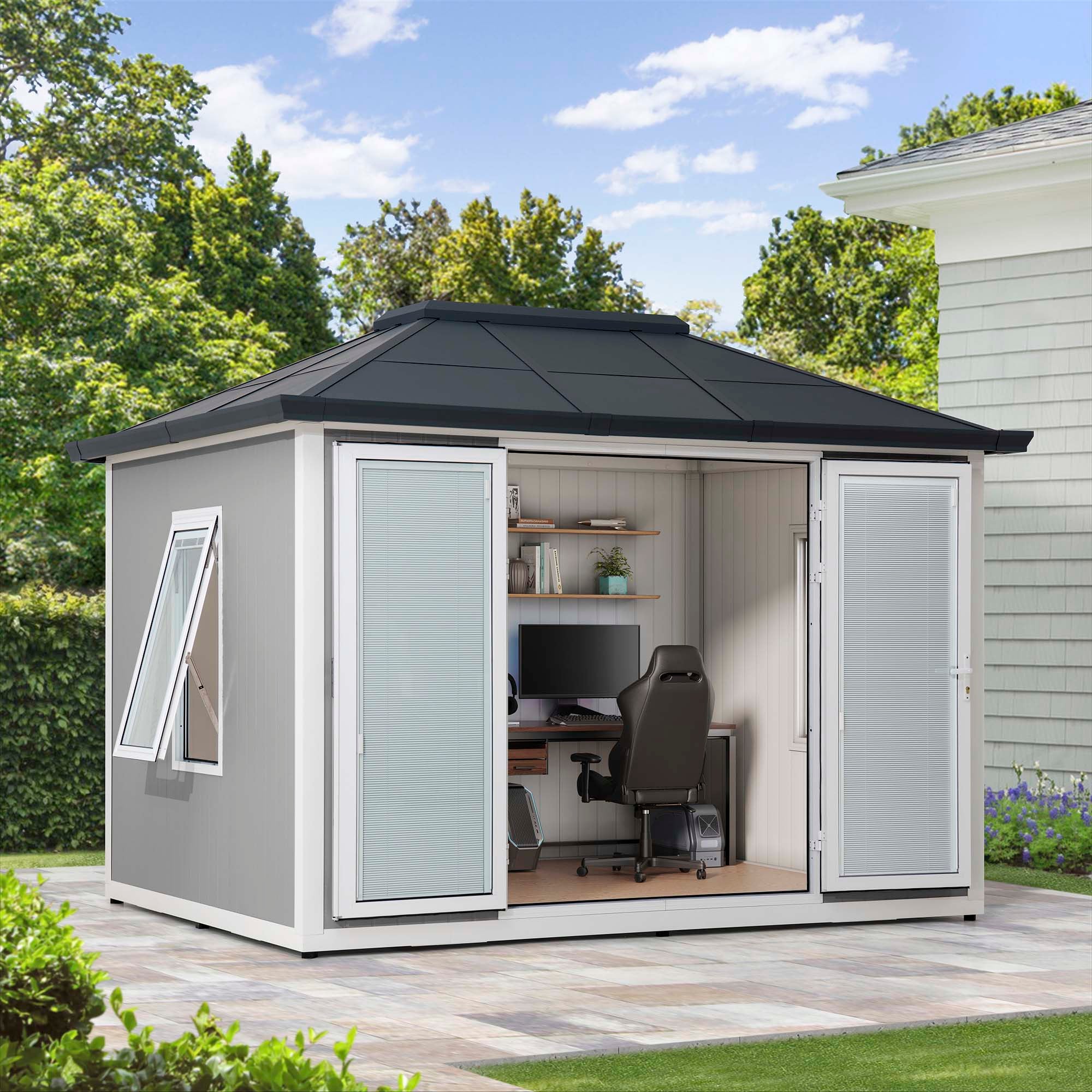
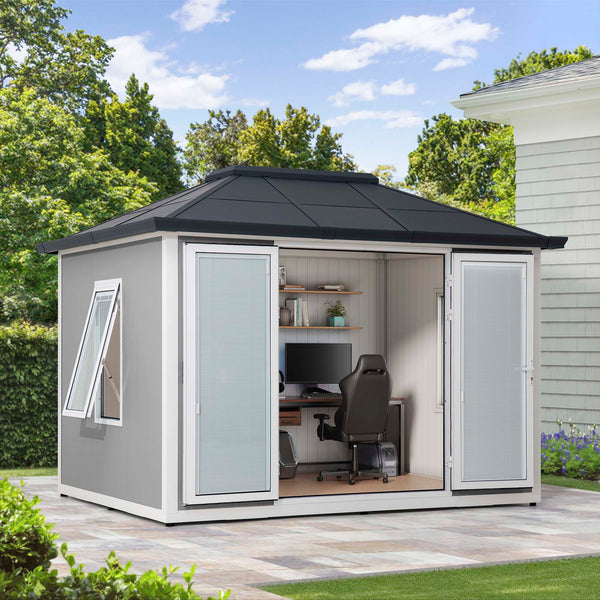
I remember the April 2019 job in Tampines where a client ordered ten 8×10 composite panel backyard pods; three failed within a year because of poor sealing and bad siting (lesson learnt the hard way). In that scenario, we recorded a 28% rise in interior humidity over the wet season — so, can you afford to ignore that metric when choosing a backyard office shed? Early on I started recommending weather resistant sheds for wholesale buyers, lah — they reduce immediate water ingress risk and cut long-term warranty calls.

What frustrates me — I’ll be blunt — is how many designs skip core details like proper insulation, vapor barrier placement and foundation anchors. We saw one model in 2020 shipped without UV stabilization on external cladding; after six months the finish degraded, clients complained, and returns spiked. For wholesale buyers: the cost of replacing panels, reworking ridge ventilation, or re-sealing joints quickly outweighs upfront savings. (Short-term thinking kills margins.)
Why do common designs fail?
Forward-looking fixes — technical steps that actually work
After 15+ years in B2B supply chain and retailing sheds, I shifted from replacing parts to specifying performance targets. We began quantifying three measurable properties for any backyard office shed: water ingress rate (ml/min under a simulated storm), peak internal temperature rise (°C over four hours of sun), and anchor displacement under 40 km/h gusts. When we tested weather resistant sheds with added insulation and UV stabilization, internal peak temps dropped by about 6°C during July tests—real numbers, not marketing fluff.
Implementation matters: my team standardized on composite panel shells, continuous vapor barriers, and stainless foundation anchors for coastal projects. We documented one quantified win in June 2021 — after refitting a coworking client’s six-unit cluster in Woodlands, callouts for leaks fell from 9 to 1 in the next 12 months. These are concrete ROI signals you can present to procurement — shorter warranty cycles, fewer service visits, better client retention. Also — quick aside — small changes to roof pitch and overhang can make a surprising difference.
What’s Next
Actionable metrics for wholesale buyers
I’ll finish with three practical evaluation metrics you must demand from suppliers — they’re simple, measurable, and relevant to long-term performance: 1) Measured water ingress under a 50 mm/hr simulated downpour (ml/min per joint), 2) Thermal delta: peak internal temperature reduction with specified insulation (°C), and 3) Anchor pullout test result (kN per anchor). Ask for test reports, not glossy photos. If a vendor can’t show numbers, push pricing elsewhere.
We choose partners based on those numbers — and because we’ve tracked field failures since 2016, I can say this: small compliance now saves big headaches later. Go check actual specs, run a bench test, and then buy in volume. For trusted options and consistent stock, consider suppliers like SUNJOY. Oh — and don’t forget to budget for proper site prep; otherwise your new shed will just be an expensive umbrella.