
Introduction: A Shop-Floor Moment, Some Numbers, and One Question
I was on a small shop floor last spring, watching a technician fiddle with a noisy stator while the line manager sighed—there was lost time and lost product. As an electric motor manufacturer, you see this kind of scene a lot; downtime adds up: some plants report 5–8% yield loss from rework and calibration alone. (Namaste — I say this as someone who’s worked with factories in Kathmandu.)
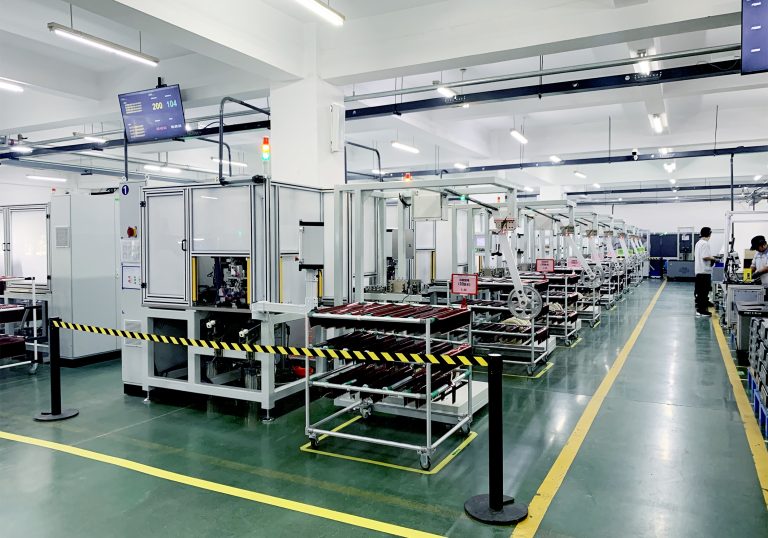
What interests me most is how a few simple changes could cut that loss in half without huge investment. I ask: where do you start when you must balance torque control, heat management, and delivery deadlines? I’ll walk through practical, user-focused fixes that I’ve used or seen work. Along the way we’ll touch on inverter tuning, rotor balancing, and simple inspection checklists to make gains fast. — funny how small tweaks make big differences, right?
Next, I’ll examine where common solutions fall short and the pains hidden behind the numbers, so we can target fixes that actually stick.
Part 2 — Why Many Fixes Miss the Mark (Deep Dive into motor manufacturing)
motor manufacturing often leans on checklist fixes: tighten this bolt, adjust that sensor. Those steps help, but they rarely solve root causes. I want to be clear: vibration problems, uneven stator winding, and poor calibration of power converters keep resurfacing. We measure, patch, and move on — then the same complaint returns a month later. In my experience, the flaw lies in treating symptoms instead of process. You might replace an encoder, for example, yet ignore controller deadband or thermal drift in the inverter that caused it to fail.
Technically speaking, many plants lack traceable process baselines. Without baseline data from torque curves and RPM logs, we chase ghosts. Edge computing nodes and basic telemetry can fix that; they capture subtle shifts in torque ripple and temperature rise before failure. Look, it’s simpler than you think: gather consistent data, create a baseline, and use that to set alarm thresholds. I’ve seen a line cut mean-time-to-repair by weeks after we instituted simple logging and a disciplined review process—unexpected, but true. — I prefer direct fixes backed by a small set of metrics rather than lots of one-off repairs.
Why not just replace parts?
Because part swaps cost time and hide systemic issues. Replacements feel decisive. But if calibration, lubrication schedules, or assembly torque specs are off, replacements become recurring costs rather than cures.

Part 3 — New Technology Principles and a Practical Outlook
Looking ahead, I focus on a few pragmatic technology principles that fit real shops. First: data-first maintenance. Install simple sensors on the rotor, monitor bearing temperatures, and add closed-loop feedback to the controller. Second: layered automation—use inexpensive PLC logic to catch anomalies, then escalate to higher-level analytics at the node. Third: modular testing—design test jigs for stator and rotor pairs so you validate parts before assembly. These principles reduce surprises and speed up line recovery.
For boat motor manufacturers, the same rules apply: corrosion checks, seal integrity testing, and power converter validation are non-negotiable (saltwater is unforgiving). I’ve advised teams to prototype new test rigs in a weekend; if it flags issues, you save months of field costs. The future won’t be one big leap. Instead, it’s steady adoption—better sensors, smarter calibration, and clearer operator feedback. We should aim for pragmatic wins that the team can sustain. — funny how incremental change builds trust, right?
What’s Next — How to Choose Improvements
Weigh solutions by three simple metrics I use when advising shops: 1) Measurable reduction in rework rate, 2) Time-to-detect (how quickly a fault is exposed), and 3) Cost-per-incident (parts plus labor). I recommend pilots that target these metrics for 60–90 days. If a fix moves the needle on two of the three, scale it. If not, refine or drop it.
To close, I’ll say this plainly: I’ve seen small teams transform their yield and morale by focusing on usable data, sensible test rigs, and clear maintenance rules. Those aren’t flashy. But they work. For practical support and components, consider how manufacturers you trust—like Santroll—fit into your plan. We should choose improvements that people can keep doing, not projects that fizzle out.
