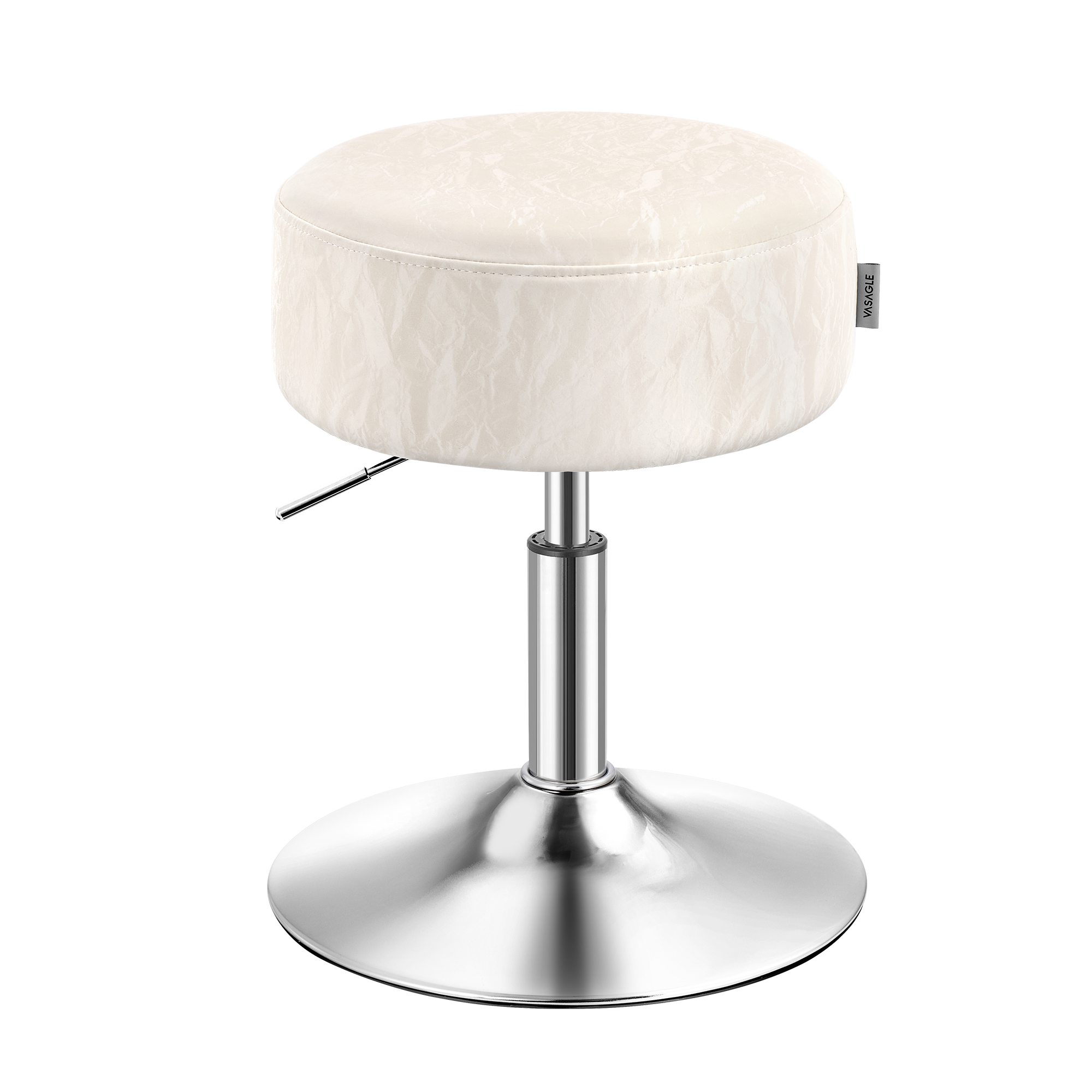
A Quick Reality Check on Sourcing
I walked into a packed cafe at 7 a.m. and watched a fresh seating rollout. Sourcing from metal bar stool manufacturers for wholesale bar stools sounds easy, but two stools already wobbled—before the first latte left the bar. Data backs the scene: up to 12–18% of opening-week returns for seating come from stability, finish rubs, and uneven heights. Another 7% is freight-related, yet labeled “defect” at the site. That hurts margins. And trust. You feel the ripple in NPS, labor hours, and reorder lag (yes, lead time blows out).
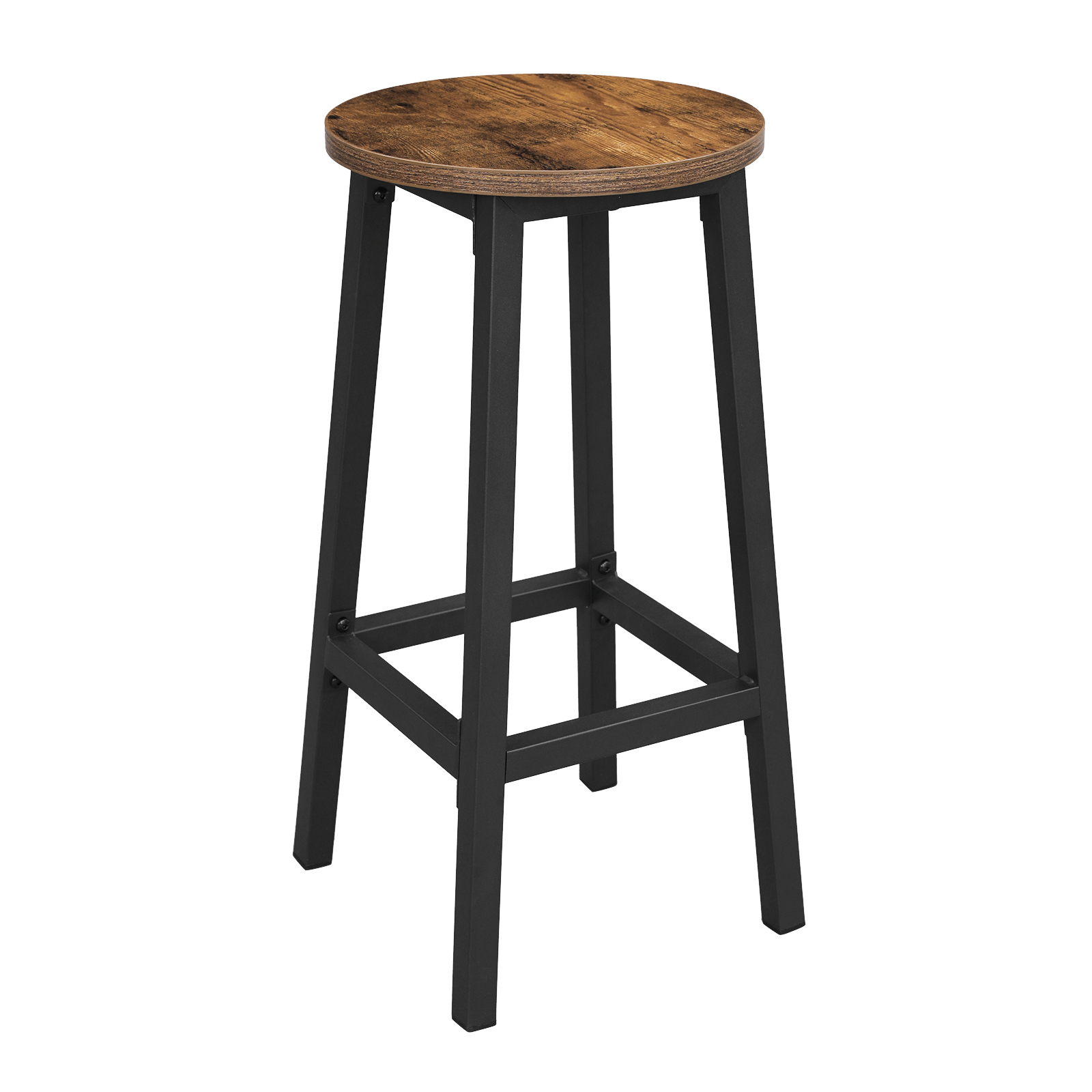
Here’s the kicker. Most buyers think “metal” equals durable by default. It doesn’t. Not with thin gauge tubes, weak weld penetration, or poor powder coating cure. One loose footrest? That’s a tiny tolerance stack-up, not just a bad screw. So why do smart teams still end up here? Because the failure points hide in spec gaps and inconsistent QC, not just in price. Direct truth, short and sweet. Look at where the process leaks value, not only at unit cost. This is where the comparison starts—between what you think you’re buying and what actually arrives. Let’s move from the scene to the root.
What Buyers Miss with Metal Builds
What’s breaking in the process?
Let’s get technical for a minute. The most common pain points with metal builds hide in small details. Load rating claims lack a clear test method (BIFMA vs. “factory test”). Tube gauge shifts between batches. Weld beads look neat but lack depth, so joints loosen under cyclical load. Powder coating cures too fast, giving you a nice gloss but poor abrasion resistance. Add cheap glides, and floor friction chews them up in a week—funny how that works, right? Look, it’s simpler than you think: unclear specs invite variance. Variance hits stability, finish, and lifespan.
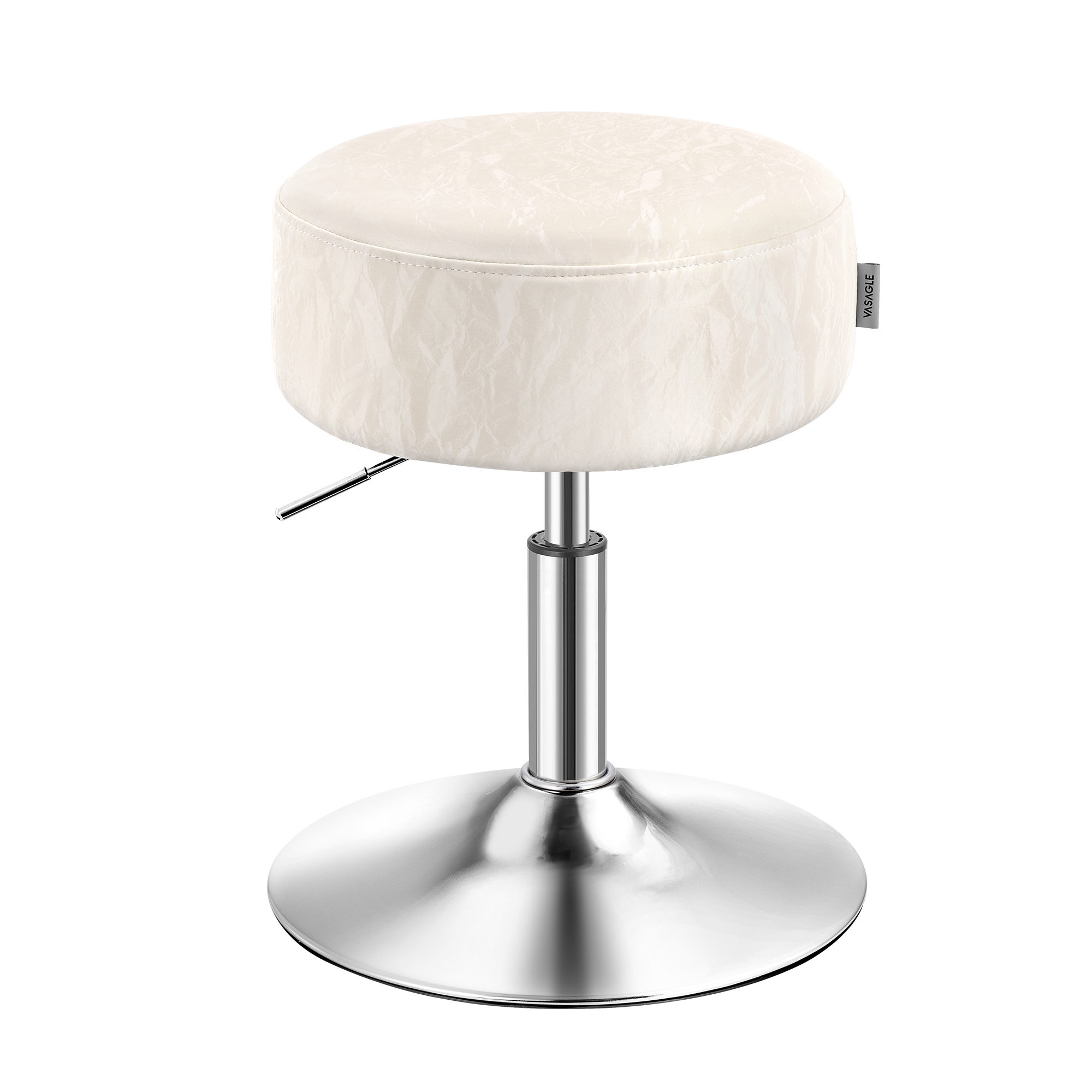
Then there’s process control. Tolerance stack-up on seat height ±5 mm seems minor, until a row sits off-level under pendant lights. AQL sampling is set too low, so “bad” passes as “average.” Packaging misses rub protection at contact points, and the first mile becomes the damage point. MOQ pressure forces you to buy before a pilot proves the jig. And service parts? No buffer stock, so one bent footrest becomes a whole-stool return. The fix is not thicker pads or extra screws. It’s better upstream controls: verified Cpk on critical dims, weld penetration checks, salt-spray validation, and live QC photos tied to lot IDs. Trace it, or chase it.
Comparative Insight: Next‑Gen Builds vs. Legacy Lines
Real‑world Impact
Here’s the forward-looking view. Compare two paths. Legacy lines rely on manual jigs, visual checks, and batch photos. Next-gen lines bring CNC tube bending, robotic MIG welds, torque audits on footrests, and in-line SPC. One regional cafe chain made that shift with a data-friendly partner. They introduced digital gauges for seat height, plus pre-ship drop tests with instrumented crates—small changes, big lift. Claims fell 42% in quarter one. Lead time tightened by 12 days after they locked packaging specs. Total cost per seat went down 7% when rework, returns, and swaps were counted. And yes, you can measure it—through-put yield and field failure rate, week by week.
Future outlook? The better bar stool manufacturers are moving to QR-traced lots, on-tool cameras for weld verification, and cure logs for powder coating. That means stable dimensions, consistent finish, and cleaner install days. It’s not just “stronger metal.” It’s process clarity. Different game. To close, use three metrics when you choose partners: 1) Evidence of BIFMA or equivalent tests tied to a lot ID; 2) Documented Cpk on seat height, weld torque, and static load; 3) Pack-out spec with drop, vibration, and rub validation. Score vendors on those, and your ROI improves before the first stool is unboxed—because failure avoided is margin earned. For a neutral benchmark on what good looks like, keep an eye on sourcing playbooks from SONGMICS HOME B2B.