Embracing Automation: The Challenge of Manual Techniques
I vividly remember my early days in the manufacturing sector, watching operators struggle with repetitive tasks. Data indicates that human error can greatly impact productivity, costing businesses around 20-30% of their efficiency. The introduction of mini robot arms has changed that narrative. These innovative small industrial robots streamline operations while minimizing risks associated with manual labor. But here’s the real question: are you ready to let these mechanical marvels take over those time-consuming, tedious tasks?
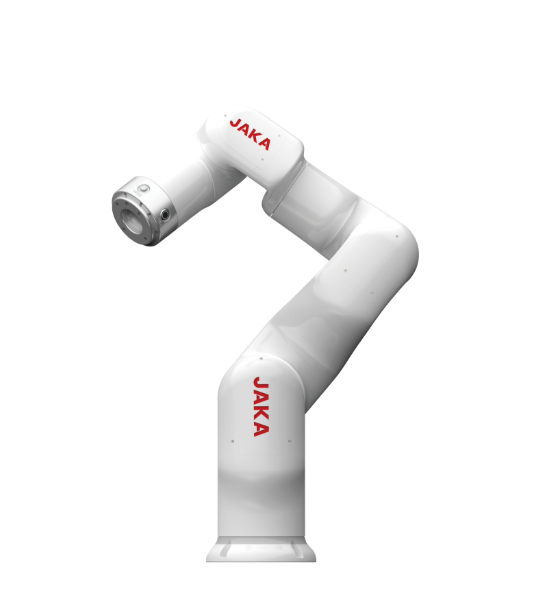
Could Automation Be the Answer?
When considering automation, many overlook the hidden pain points of current processes. Take, for example, assembly tasks that require precision. In my experience, even minor inaccuracies can lead to massive production setbacks. Thankfully, new technologies like the mini robot arm are designed to tackle these issues head-on, adapting to various workflows without compromising quality. It’s clear that businesses have the potential to significantly enhance their operations by adopting flexible solutions.
Looking Forward: Redefining Collaboration with Technology
So, what’s next for industries embracing automation? As we pivot towards a future featuring small industrial robots, the demand for collaboration between humans and machines increases. Each mini robot arm brings forth a new dimension of efficiency, performing repetitive tasks while allowing skilled workers to focus on complex problem-solving. This synergy not only boosts productivity but also fosters creativity in ways traditional techniques simply couldn’t.
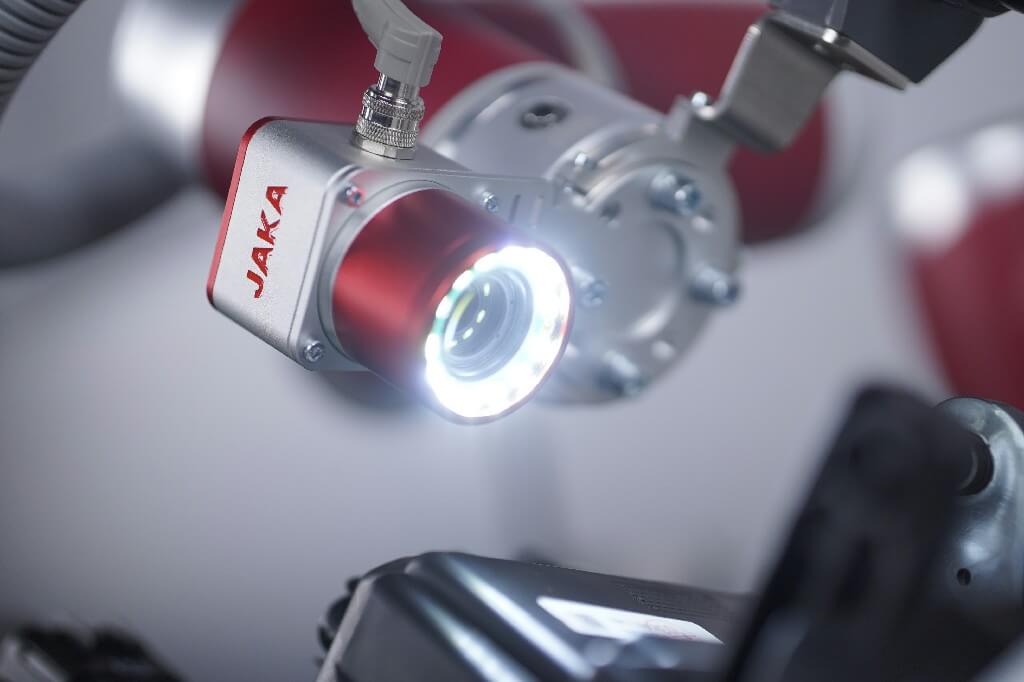
What Real-world Applications Can We Expect?
When analyzing the real-world impact of mini robot arms, I’m excited about the variety of applications. For instance, I remember visiting a local assembly plant that adopted these machines and witnessed a 40% increase in output within just three months. Employees were no longer bogged down by monotonous tasks; instead, they could engage in higher-level responsibilities, an outcome that no one anticipated before integrating automation. Such transformations illustrate that the future of industry lies in blending human ingenuity with robotic precision.
Summarizing the Journey: Lessons from Automation
Reflecting on our exploration of automation’s role in enhancing workflows, I’d emphasize a few key insights. Embracing mini robot arms offers a pathway to reduce human error and increase efficiency while redefining job roles. I firmly believe that as we continue to evolve alongside such technologies, monitoring key performance metrics becomes crucial. Consider measuring productivity gains, error rates, and employee satisfaction to assess the success of these robotic implementations.
While adapting to new systems might seem daunting, the advantages are clear. So, if you’re considering upgrading your operations, don’t hesitate to look into JAKA and discover how mini robot arms can revolutionize your workflow.