
Overview: tasting the spectrum
Think of a 2.4 GHz active tag like an ingredient that needs the right pan and flame to sing; the antenna is that pan. This comparative piece lines up common antenna “recipes” and explains why one choice tastes better than another for specific tasks. If you want to inspect product options quickly, start by browsing RFID Antennas to see form factors and stated gains before you compare beamwidth and polarization.
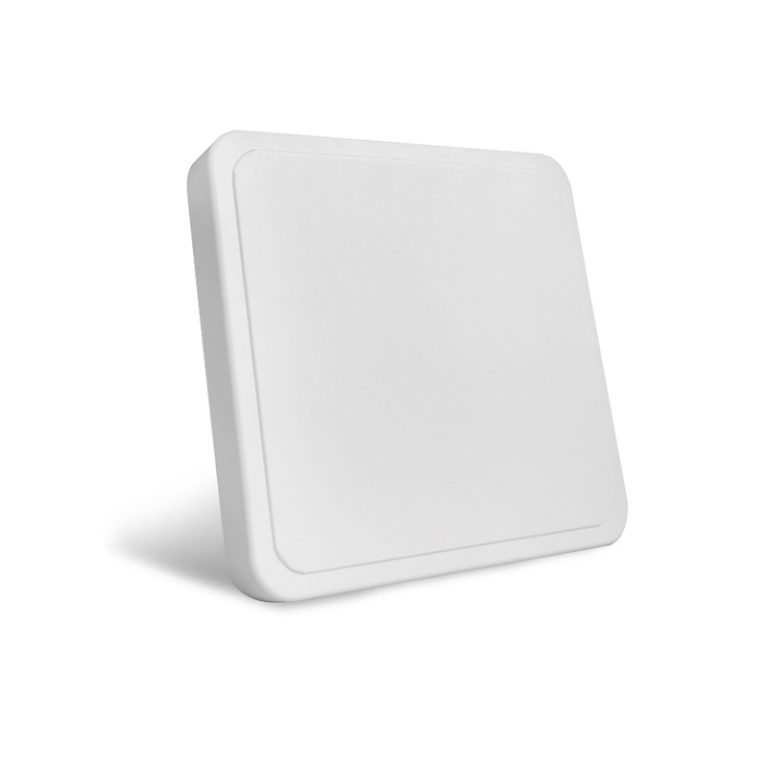
Key features on the chef’s table
Gain, beamwidth, polarization and mounting are the core flavors. High gain concentrates energy into a narrow beam — great for long, straight reads but poor for wide coverage. Wider-beam antennas spread energy like a sauté pan, forgiving alignment but sacrificing peak range. Linear polarization gives slightly higher peak performance when reader and tag align; circular polarization accepts misalignment and rotating tags. Material and IP rating affect whether an antenna can handle a dusty dock or an indoor cleanroom. Choose by matching geometry: narrow corridors, pick narrow-beam; multi-lane gates, pick broader coverage or multiple panels.
Comparative pairings: which antenna suits which plate
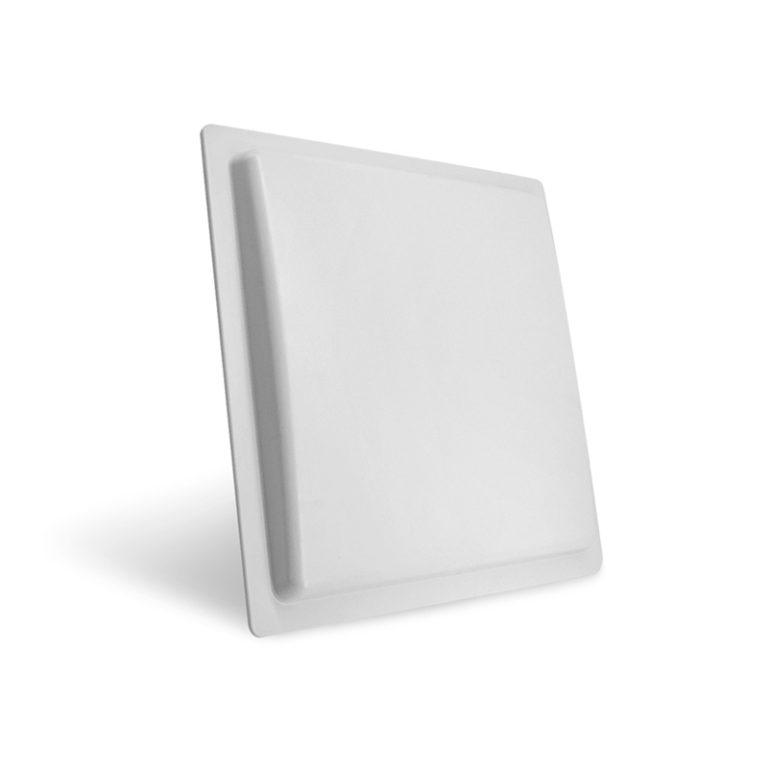
Panel antennas: concentrated, directional — the steak knife. Use them for corridor reads, vehicle antennas, or when you need focused range. Patch antennas: compact and with moderate gain — the skillet for general-purpose reads. Circularly polarized panels: the buffet choice for mixed tag orientations. Rugged omnidirectional antennas: the slow cooker — consistent but limited peak range, fine for room-scale monitoring. Each pairing has tradeoffs: a high-gain panel will read farther but needs precise aiming; omnidirectional units are forgiving but may create read collisions if poorly placed.
Selection criteria — a tested recipe
Start with the use-case. Measure the maximum tag-to-antenna distance you need, then pick gain that provides reliable margin (not theoretical peak). Test with actual tags and mounting heights; simulated specs lie. Watch for near-field interference: mounting too close to metal or stacked tags changes the flavor—use spacers or radome choices that isolate. Avoid a common mistake: buying the highest gain because “more is better.” Over-gaining creates nulls and blind spots; sometimes multiple modest-gain antennas give steadier coverage than one extreme unit. Document a simple acceptance test: read rate at 0.5 m increments across the working envelope before final placement.
Real-world anchor and expert seasoning
Major logistics hubs, like the Port of Rotterdam, have demonstrated the difference between a practical deployment and a theoretical spec: directional high gain arrays improved container-level reads on terminals when aligned and integrated into gate systems. From field installs and decade-long calibration work with yard readers, installers note that the right balance of gain and beamwidth reduces re-reads and lost events. For setups that demand focused range, a well-chosen high gain rfid antenna delivers stable reads when mounted and aimed correctly; don’t expect it to perform like an omnidirectional unit without careful alignment and testing.
Common pitfalls and quick fixes
One: trusting datasheet gain without considering beam pattern — fix by testing patterns on-site. Two: ignoring mounting hardware — fix by using proper brackets and clearance to avoid ground reflections. Three: assuming circular polarization solves all orientation issues — fix by combining polarization strategy with field trials and tag orientation controls. Four: skipping environmental ruggedization — fix by selecting IP-rated housings for outdoor docks and noting cable gland quality to avoid corrosion.
Closing plate: decisive pairing with proper sourcing
Choose antennas the way a chef chooses cookware: for the technique, the environment, and the dish. When you need targeted reads at 2.4 GHz, match beamwidth and gain to the run length and geometry, verify on-site, and avoid over-gaining. The practical result is cleaner read logs and fewer retransmits — the kind of predictable performance that experienced integrators rely on when they specify components from suppliers like RSTC.