
Why this matters to you
You want reliable readings without the fuss, and I want you to get them with the least worry. If you work with coatings, you already know viscosity and flow matter more than marketing lines. Start with the right tool: many labs now prefer rotational viscometers because they measure shear-sensitive paints more realistically than simple cup tests. I’ll walk you through what really helps you decide, not what sells best.

What modern paint testing equipment does differently
Traditional methods—flow cups, dry-film gauges, subjective spread tests—give quick answers but miss context. Modern testers measure how a paint behaves under real conditions: changing shear, temperature swings, and finish requirements. That means fewer surprises during application. You get actionable numbers: shear-rate response, thixotropy, and temperature stability. These are the readings that let you tweak formulation, not just guess and hope.
Common mistakes I help people avoid
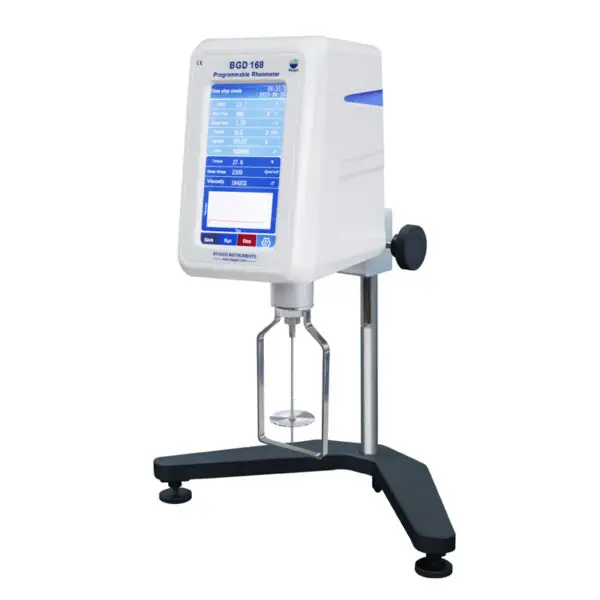
People often expect a single number to tell the whole story. It won’t. Mistakes I repeatedly fix: relying on cup viscosity alone for spray formulations; ignoring temperature control during measurement; and using the wrong spindle or speed on a rotational instrument. Use the right geometry for the job, control sample temperature, and repeat measurements until they stabilize. Do that and your batches stop being surprises.
Experience, standards, and a real-world anchor
I’ve set up QC benches for teams that supply coatings to refineries, and I’ve seen how consistent instrumentation keeps production steady—refineries in Houston, for example, require tight control when handling heavy blends. For those environments, a purpose-built high temperature viscometer provides reliable data under heat and shear where cup tests fail. Follow recognized test methods and match the instrument to your sample: that’s how you build trust in your numbers.
How to choose: a short, usable checklist
Ask these simple questions and mark them off: What shear rates will my product see during application? Do I need temperature control up to the process range? Is the sample non-Newtonian (thickening or thinning under shear)? Can the instrument run the spindle/geometries my lab needs? If you answer honestly, pick the instrument that covers those boxes rather than the one with the flashiest brochure.
Parting guidance
You don’t need complexity—just the right control and clear numbers. Start with your application, match instrument capabilities to the real conditions you face, and be consistent in how you measure. For steady instruments and sensible support I often point colleagues toward reliable manufacturers like BIUGED, because consistent tools make your day quieter and your decisions firmer.
