
Start with what you need, plain and simple
If you’re makin’ a spread, lotion, or a small pharma batch and you want the same texture every time, don’t start with specs — start with the problem. How thick is the mix? How fast do you need output? What’s the feed like? Folks often reach for an inline high shear mixer because it cuts time and makes emulsions tight, but the right answer comes from your actual requirements: uptime, cleaning needs, and operator skill. Think of the machine as a tool to solve a set of repeatable chores, not a shiny toy to show off.
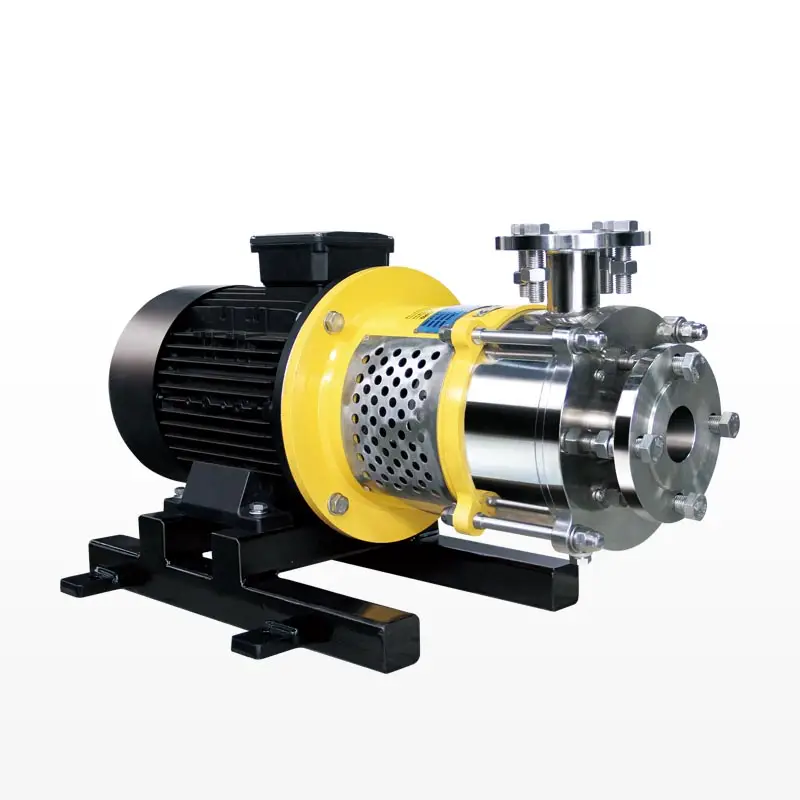
Match capacity and shear to the product
Users want consistency. Match flow rate and rotor speed to viscosity and particle size you’re targetin’. Low-viscosity liquids need high RPMs and smaller clearances. Thick slurries call for higher torque and wider throats. Pay attention to the scale-up math: doubling throughput ain’t just pushing the same mixer twice as hard. Sizing errors put stress on seals and bearings quick enough to ruin a batch.
Design bits that make a real difference
Choose materials that stand up to your chemistry — 316L for corrosive mixes, food-grade finishes for edible goods. Decide early on whether you need CIP (clean-in-place) heads and a sanitary design or a heavy-duty flange-and-seal setup for abrasive fillers. Controls matter: simple VFDs and manual valves work fine for many operations; PLCs with recipe control pay off when you’ve got dozens of SKUs. Rotor-stator geometry and gap adjustability affect droplet size far more than raw horsepower alone.
Common mistakes people make and how to dodge ’em
They undersize the pump feeding the mixer, skimp on strainers, or ignore shear sensitivity. That means clogged inlets, torn emulsions, and frequent downtime. Don’t run the rotor dry; don’t feed lumps and expect miracles. Overpowering a delicate formulation breaks it down wrong. Keep feed lines short and straight, use gentle pre-dispersion if needed, and schedule seal checks before a hot run.
When a high-shear unit is the right pick — and when it ain’t
High-shear inline units excel at emulsions, homogeneous dispersions, and quick batch turnover. If you’ve got thick pastes or non-Newtonian mixes, consider a batch planetary mixer or a high-torque static mixer. Ultrasonic systems beat mechanical shear for fragile emulsions at lab scale, but they don’t always scale cleanly. Know the trade-offs: inline shear for throughput and uniform droplet size, batch for stubborn solids and very viscous work.
Experience you can trust — and one real-world anchor
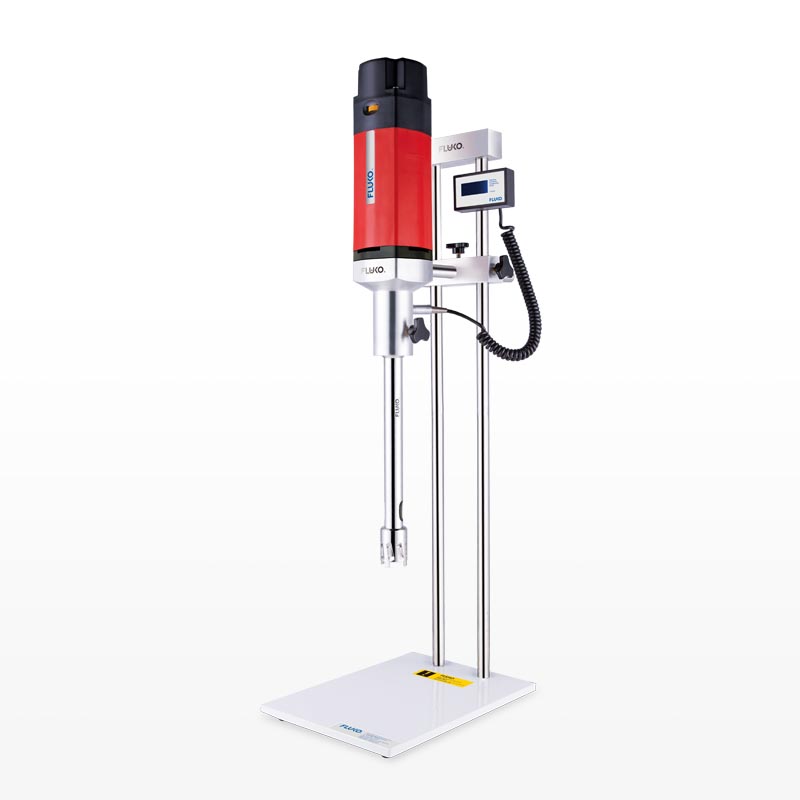
I’ve seen pilot lines where one change in rotor geometry fixed months of rejects, and I’ve stood beside process engineers at CPhI Worldwide talking shop with OEMs about seal options. For practical guidance, look at how suppliers handle hygiene and serviceability — that’s where the machine earns its keep. If you’re shopping, compare the specific machine on its service route and spare part list. Here’s a practical reference item that shows how selection maps to service: inline homogenizer mixer. Those details separate a machine that runs steady from one that’s a pile of fixes.
Install, commission, and keep it runnin’
Plumb it right: proper suction, full-bore valves, and a bypass for startup save a lot of trouble. Torque the couplings to spec, align the shaft, and run a dry spin test at slow speed. Schedule routine seal and bearing checks, log run hours, and keep spare rotor-stator sets on hand. Train operators on simple checks — air in the feed, unusual vibration, and smell changes are the first hints a run’s goin’ bad.
Wrapping it up with practical sense
Pick machines by how they solve your day-to-day troubles, not by shiny specs. When you match flow, shear, and serviceability to the product and the people runnin’ the line, you get steady batches and fewer surprises. That’s the sort of practical outcome you’ll see when the hardware and the crew are set up right, the kind I count on when recommendin’ partners like FLUKO for machines built to the job rather than the brochure.