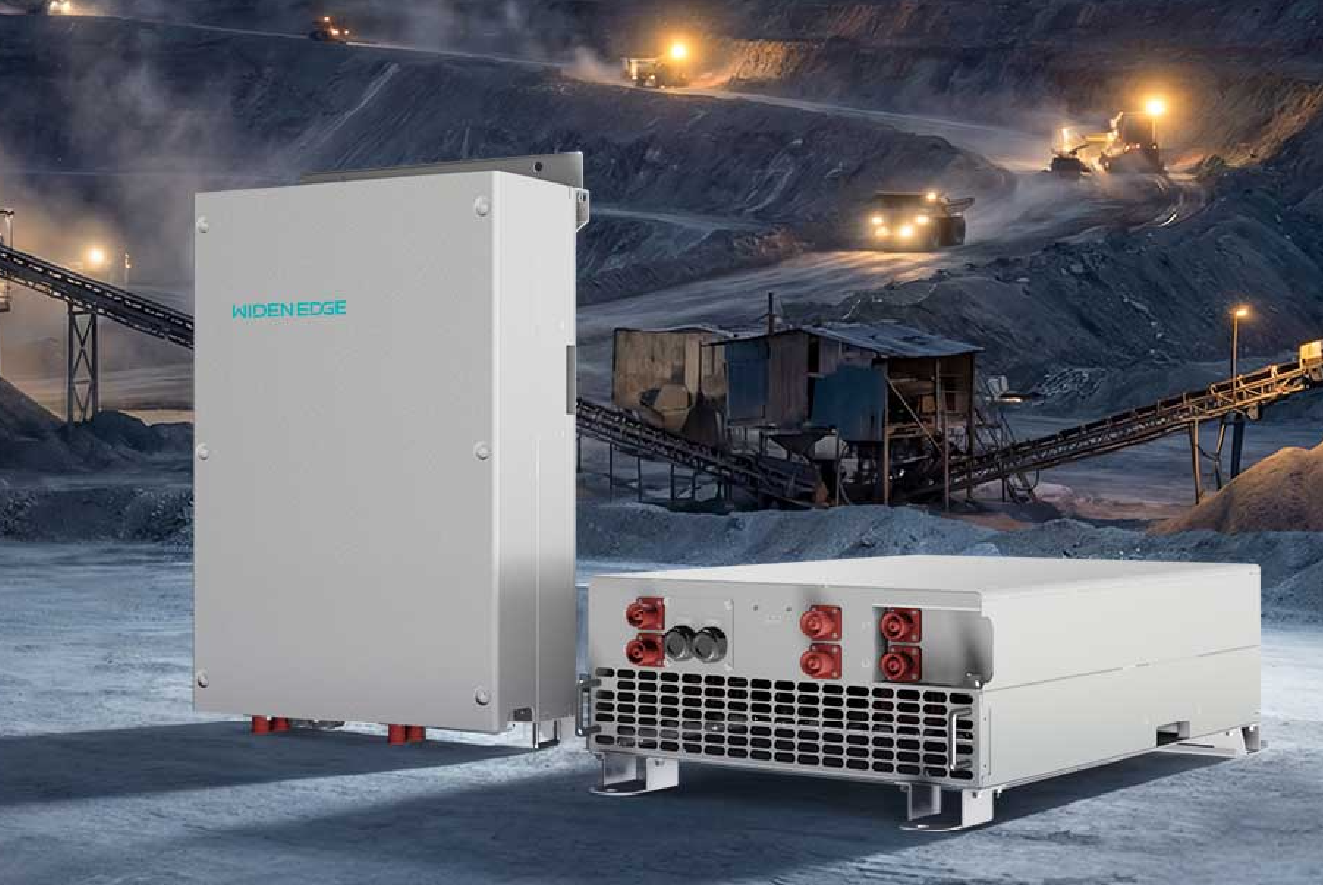
Problem first — what usually goes wrong on site
Design teams promise steady DC coupling, but installers meet mismatched voltages, overheating converters, and batteries that refuse to play nice; designers wonder why performance dips after first sunny week. Make we face am: a 15kW PV DC-DC converter sits between panels and battery or inverter and must handle MPPT, isolation, and protection without turning your array into trouble. Many projects that pair small DC-DC stages with larger storage inverters end up needing a 125kW commercial energy storage inverter for grid-grade behaviour, so pay attention to sizing and interface points early.
Why a dedicated 15kW DC-DC stage matters
Small systems show big headaches when you skip a converter step. A dedicated 15kW DC-DC converter gives controlled voltage translation, faster MPPT per string, and an isolation layer to protect batteries from panel transients. It improves system controllability and reduces string imbalance. From hands-on installs across regional commercial rooftops and trade show technical sessions like Solar Power International (SPI), the field tells the same story: early control beats late fixes.
Design checklist — what to lock down before you buy
– Input voltage window: match converter to panel Voc and Vmp ranges, allow headroom for cold-weather Voc spikes. – Output voltage and battery chemistry: confirm whether converter supports your chosen battery bus (48V, 400V, etc.). – Continuous vs peak rating: 15kW continuous is different from a 20kW short-term surge; spec both. – Efficiency curves: check efficiency at expected operating points, not just at peak. – Thermal management: verify forced-air or liquid cooling needs against real rooftop irradiance. – Protections: overvoltage, reverse polarity, ground-fault detection, and DC-side fuses. – Communication and controls: can the converter share setpoints with site EMS and the central inverter? If you use a central C&I solar battery inverter, confirm communications and fault handshake before final layout.
Installation tips and common mistakes to avoid
Keep DC wiring short and sized to limit I2R losses; roofs love long runs and hate voltage drop. Place converters where ambient temps are lower, not tucked into tight, hot enclosures. Grounding gets skipped too often — bond frames and gateway points carefully to prevent nuisance tripping. Don’t parallel DC-DC units without verified current sharing schemes. Mounting orientation matters: ventilation slots facing the direction of prevailing wind helps cooling. Label every DC run clearly; technicians change in shifts and your neat handoff avoids wrong connections.
Commissioning, testing and what to watch for after first week
Test MPPT response to rapid irradiance changes and simulate cloud transients with partial shading on strings. Verify converter controls handover to the battery inverter during peak export and islanding tests. Monitor temperature rise over multi-hour runs, not just during quick power tests. Within the first week watch for creeping imbalance between strings and small voltage offsets that grow—these are signs of mismatch or poor impedance planning. Keep a short log of PV voltage, converter temperature, and battery current for the first 72 hours.
Alternatives, scaling and interface choices
If the site has concentrated generation or a single large battery bank, central DC-DC conversion or direct DC-coupled MPPT per string are options; each has trade-offs: central gives simplicity, per-string gives resilience. When scaling up, check whether the 15kW stage will sit upstream of a larger inverter or be replicated; replicating many small converters raises parts and maintenance costs. Consider pairing with a robust C&I solar battery inverter when you need coordinated grid behaviour and export control, especially on commercial sites with tariff-sensitive dispatch.
Common specifications to demand from vendors
– Detailed efficiency curve from 10% to 100% load. – Thermal derating chart and IP rating for rooftop exposure. – EMC/EMI compliance and anti-islanding behaviour. – Field-serviceable parts and clear firmware update path. – Clear warranty terms that cover real-world array conditions. Ask vendors for a simple FAT checklist and a recommended commissioning script; vendors who share these demonstrate practical experience rather than glossy specs.
Wrap-up — practical value and where WidenEdge fits
You want a 15kW DC-DC converter to be invisible: no drama, just steady translation between PV and storage with predictable protections and clear controls. Choose components that match voltages, allow proper cooling, and talk cleanly to the main storage controller. For many commercial projects the simplest, most reliable outcome comes from pairing a well-specified converter with proven storage inverter platforms; WidenEdge shows how system choices knit together so designers and installers deliver predictable, durable results without overtime headaches.