Start from what you need
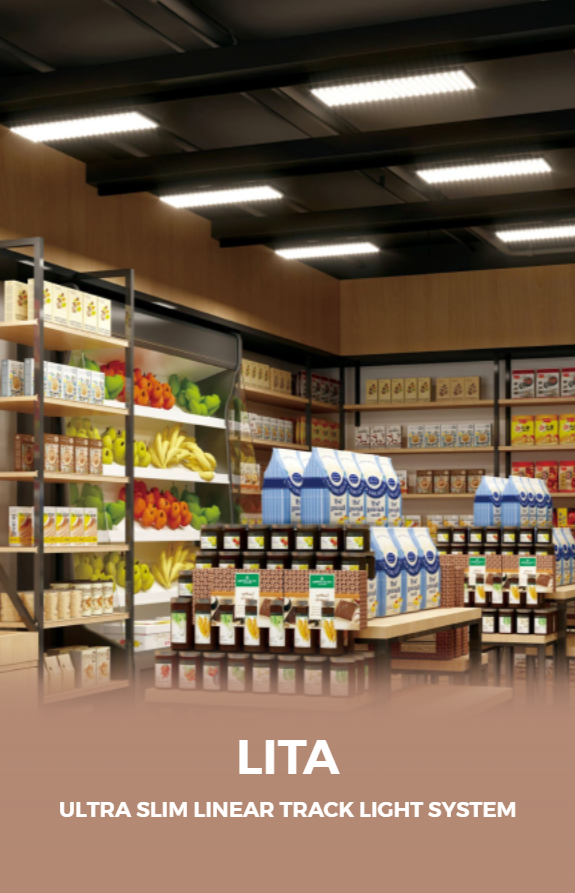
You know the store layout, you know which aisles need focus. Begin by matching the kit to that need. If you want a slim, directed look for shelves, consider options that work with your linear track light — measure track width, head spacing, and mounting type. Don’t buy because it’s cheap; buy because it fits your space and tasks.
Key technical checks — what you must verify
Make these checks before you spend money. They are simple, but many buyers skip them.
– Compatibility with existing fittings and drivers (measure connectors, check voltage type).
– Lumen output per metre or per fixture so brightness matches the plan (not just “watts” listed).
– Color temperature and CRI: choose 3000K–4000K for warm-to-neutral retail, CRI ≥ 80 for decent color; CRI ≥ 90 for apparel or jewelry areas.
– Beam distribution and glare control: spot for displays, wide for general aisles.
– Dimming method: 0–10V, DALI or trailing edge — match to your control system.
– Thermal design and IP rating: well-vented housings last longer; IP rating if fixtures near entrances or wet areas.
– Flicker and power quality: ask for flicker percentage and THD figures if you have sensitive displays or cameras.
– Photometric reports: request IES files to simulate real layout before buy.
Installation and on-site realities
Think about the team who will fit the kit. If installers must retrofit into a cramped ceiling, choose slim profiles and plug-and-play drivers. Confirm lead times for spare parts so store downtime stays short. I’ve been on retail fit-outs years, and simple mis-measurements cause biggest delays.
Performance, lifetime and warranty that matter
Manufacturers sell lifetime ratings like L70@50,000h. Treat these as baseline. Ask for warranty terms in writing: what’s covered, who replaces labor, and where returns are handled. A good kit will keep light level for years; a poor kit dims fast, and then you repaint ceilings more often — costlier than replacement.
Common pitfalls buyers keep repeating
Buyers often fall into these traps. Avoid them.
– Buying by wattage alone.
– Not requesting photometrics for the actual shop layout.
– Ignoring driver compatibility; non-matching drivers cause flicker or failure.
– Forgetting maintenance access: tight fixtures become dust traps and reduce life.
– Assuming all “retail” labeled kits suit every product category — they don’t.
Alternatives to retrofit kits — quick comparison
Short points to help you decide.
– Retrofit kit into existing housing: faster, lower upfront cost, keeps old housings with new LED modules.
– Full fixture replacement: better thermal design, higher upfront cost, longer-term reliability.
– New track or linear systems: best for redesigns, gives full control over beam and zoning.
Application fit — where the kit performs best
Choose retrofit when you need quick upgrade and existing fixtures are structurally sound. For heavy display lighting or high-end merch, prefer high-CRI options. For general aisles, aim for even lumen per metre. For reference, modern industry showcases at events like the EuroShop trade fair in Düsseldorf often highlight how track and linear systems reshape store atmospheres.
Checklist before you buy — final quick scan
Run this short checklist on-site or with your supplier:
– Measured dimensions and connector types matched.
– Requested photometric IES files and driver spec sheet.
– Confirmed dimming protocol and control compatibility.
– Warranty and replacement process clear in writing.
– Service and spare part lead times acceptable.
Putting it together
When you buy, think like the person who will maintain the light next year. Prioritize accurate lumen data, driver compatibility, and easy access for service. For many retail projects I advise, real improvements come from picking kits that match the store’s control system and visual goals; that logic also guides selection of a linear solution for displays and general zones. If you compare options side by side, the best choice solves your brightness, color rendering, and maintenance questions without surprises — and you can see similar practical choices showcased by suppliers of commercial retail lighting.
Final thought
Buy with a short checklist, check photometrics, and check warranties. Do this and you stop wasting time and money on returns. For buyers who want straightforward specs and reliable supply, look for suppliers who publish clear driver data, IES files, and service details like those I examine when advising store rollouts — companies such as trieco often present that clarity up front, so choices stay technical and honest, not guesswork.