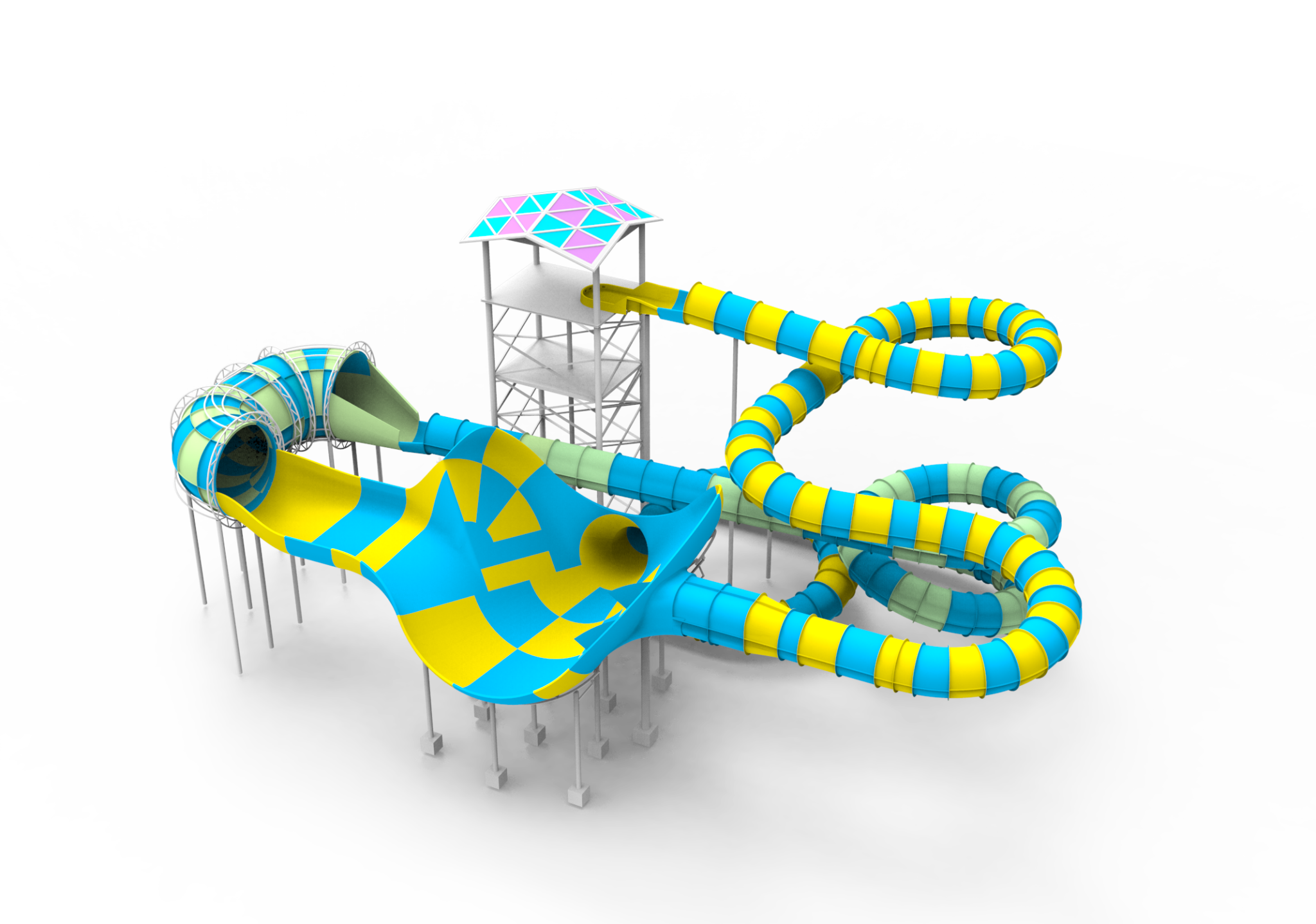
Guest-centered beginnings
Resorts that focus on the guest start with emotion. They design for surprise, for quick smiles. A well-placed funnel slide can do both — and often it does. Consider a rainbow water slide front-and-center: bright, immediate, and photogenic. Guests queue, they watch, they decide in a heartbeat. This is user-centric design. It’s simple. Très direct.
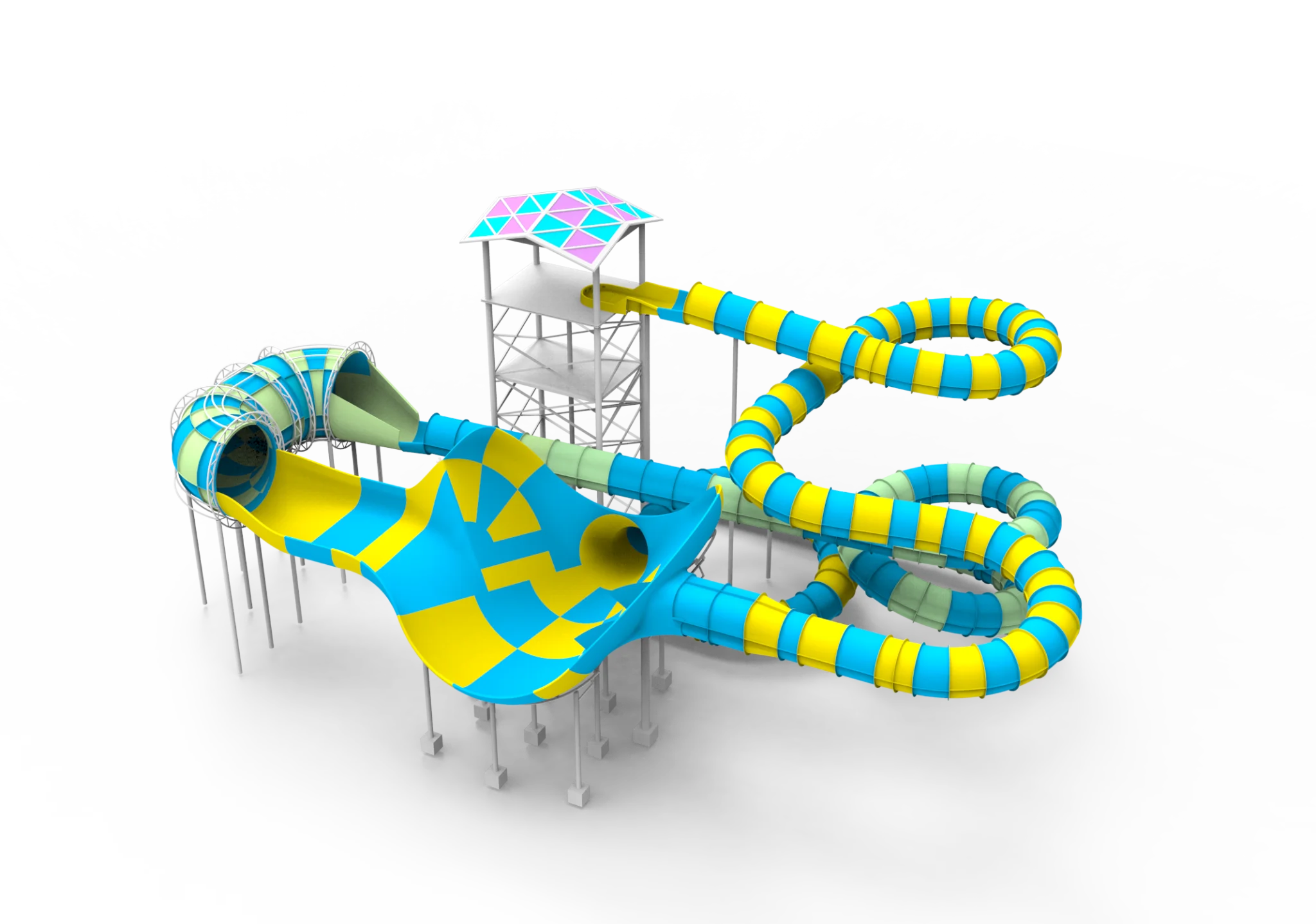
What guests notice first
Guests read the moment. They see sight lines, sound, and flow. They feel safety cues. They notice transitions between indoor and outdoor zones when a resort pairs slides with a hybrid space like an indoor outdoor water park. The result is continuous play. Little things matter: a visible lifeguard tower, gentle slope on a lazy river, shaded seating near the wave pool. These are not decorative. They drive repeat visits.
Design details that win
Successful resorts balance thrill with access. Keep throughput high. Keep sightlines clean. Mix family rides with high-adrenaline attractions. A funnel slide next to a flume gives families options. A drop capsule tucked behind a plaza promises excitement for teens. Materials must resist salt, sun, chlorine — and still look fresh. Signage should be clear. Queues should entertain. Guests hate dead time — so program small show moments in lines. — small surprise, big impact.
Operational realities, short and clear
Design without operations fails. Pumps and filtration systems must match guest load. The pump station capacity, the filtration turnover rate, staffing ratios for lifeguards: these are practical constraints. Resorts that test throughput at peak hour avoid bottlenecks. Universal Orlando’s Volcano Bay and Atlantis, The Palm in Dubai show how integrated attractions scale guest experience while keeping sanitation and safety visible. Those examples matter — real places, real feedback from millions of visitors.
User priorities mapped to features
Map guest priorities to features. Comfort to cabanas and shaded paths. Thrill to funnel slide placement and line choreography. Accessibility to transfer platforms and wider lanes. Sustainability to efficient pumps and recycled water loops. Industry terms: funnel slide, lazy river, wave pool. Use them where they inform choices, not to impress stakeholders.
Common mistakes to avoid
Ignore how people move, and you break the experience. Overload one zone with too many thrill rides; guest flow collapses. Hide maintenance areas behind public sightlines; trust erodes. Understaff lifeguards to save budget; risk rises. Small errors show up fast. It’s better to prototype a plaza and test a weekend than to commit to a full build without live feedback.
Three golden rules for selecting water park strategies
1) Throughput per hour: Measure realistic throughput, not theoretical. Aim for sustained rider flow that matches resort peak attendance. This dictates ride quantity, queue design, and staffing levels.
2) Guest touchpoint score: Rate every touch—entry, queue, ride, exit—on comfort, clarity, and delight. Prioritize fixes where comfort or clarity falls below acceptable thresholds.
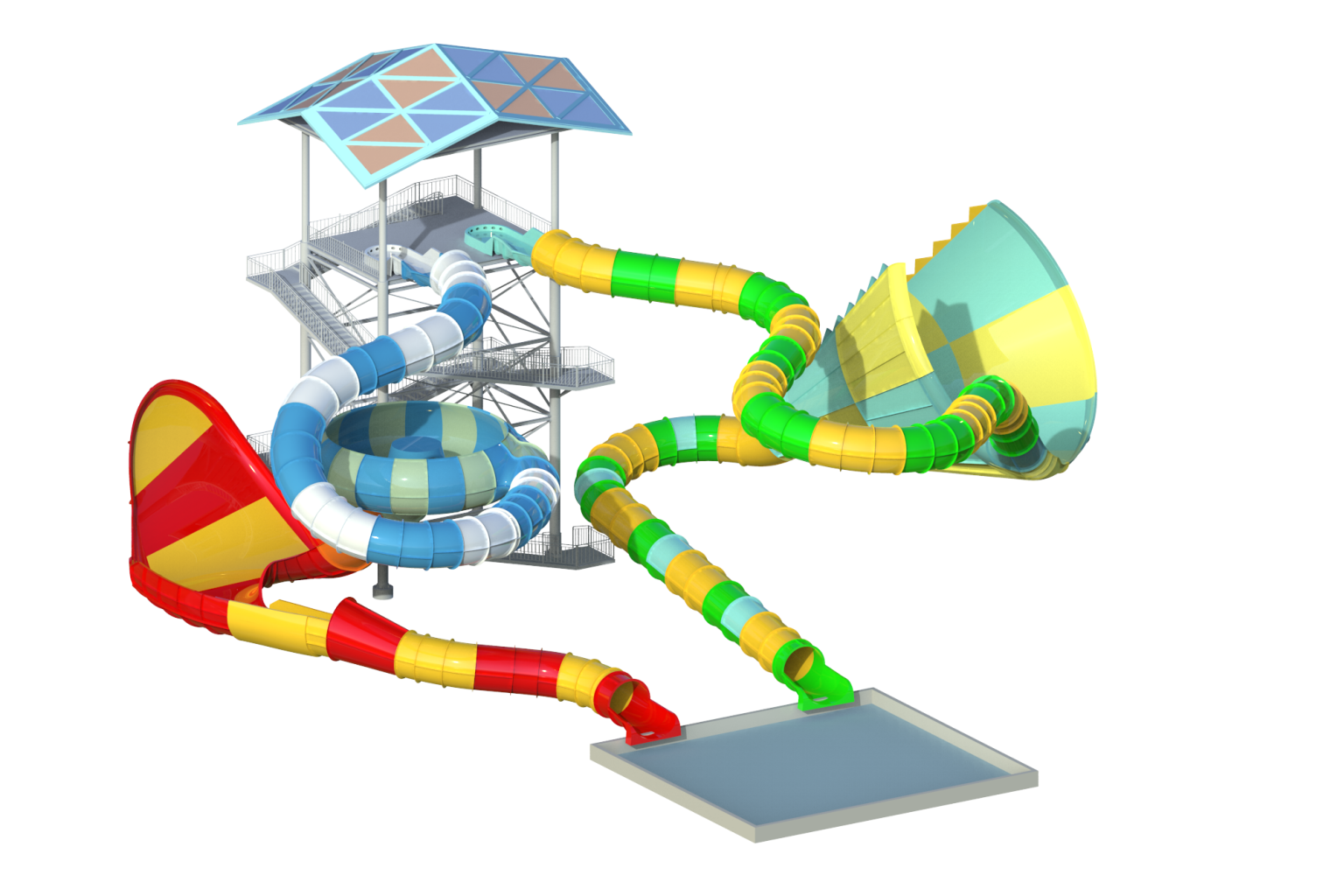
3) Operational resilience: Require specs for pump station capacity, filtration turnover (cycles per day), and maintenance access. When systems are easy to service, downtime drops and guest satisfaction holds steady.
Choose with those metrics. Then align suppliers and site design to them. For resorts that want balanced thrill and reliability, Dalang fits where design meets dependable delivery — an honest match for long seasons and high expectations. — built to last.